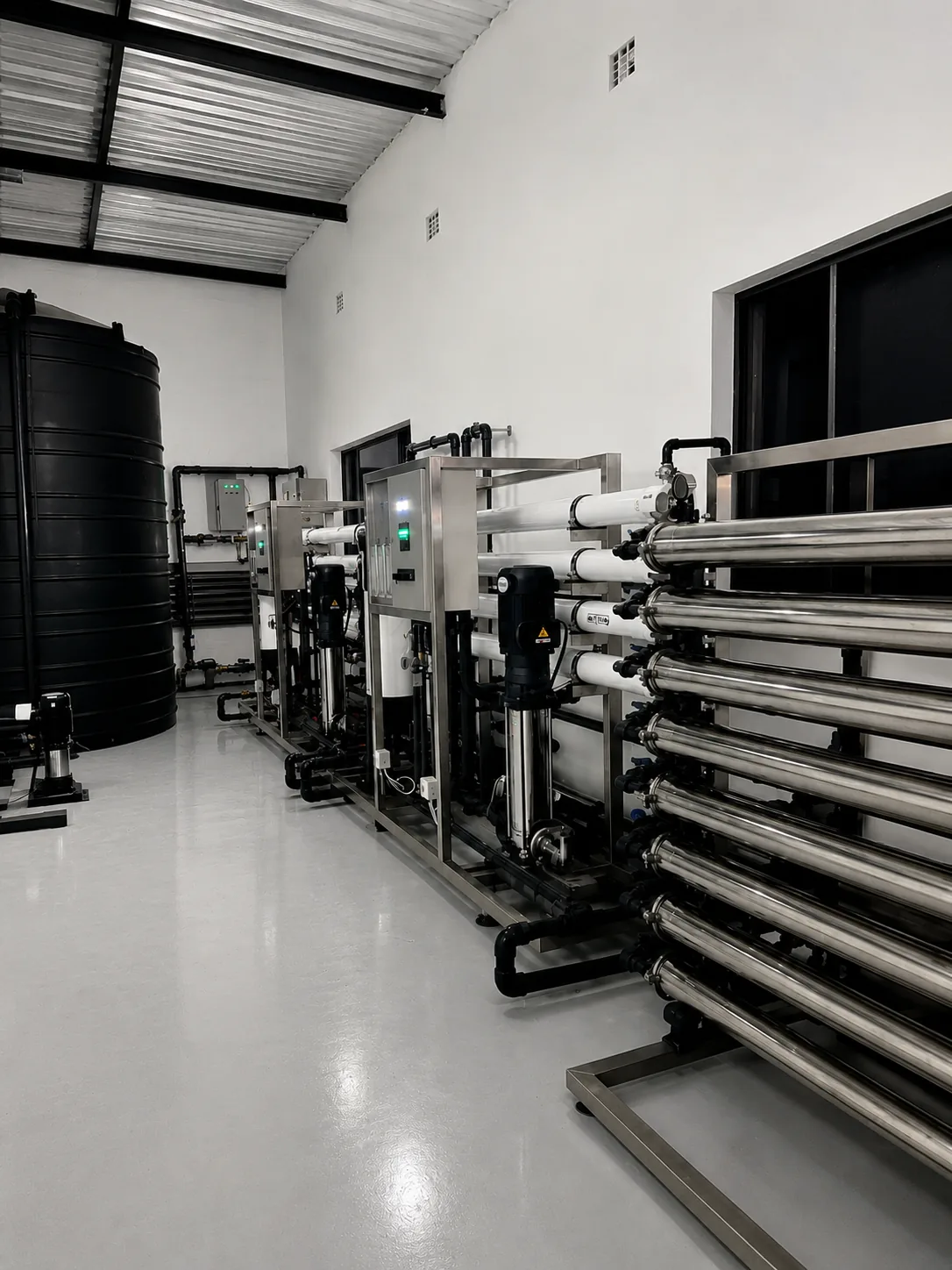
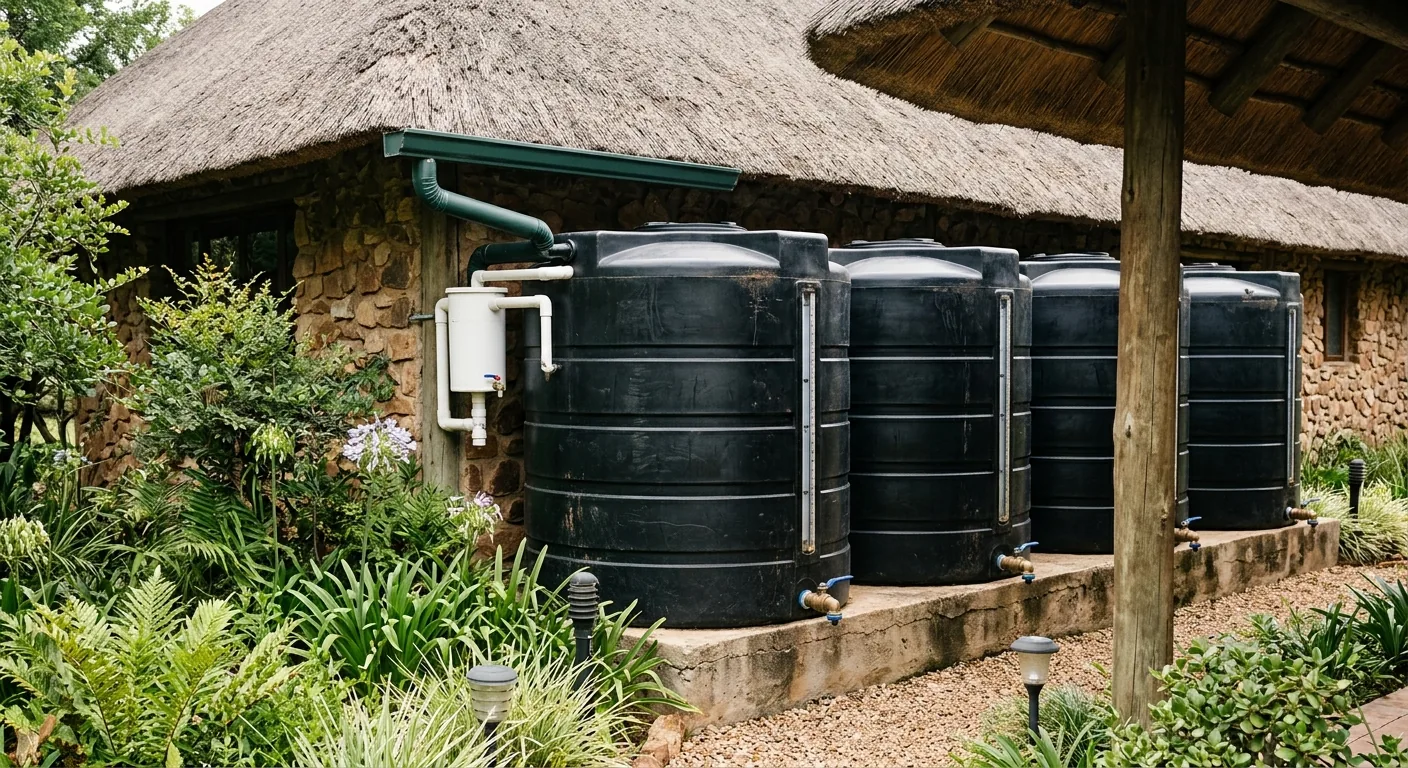
Reverse-osmosis permeate leaves the membrane at roughly 5–15 mg/L TDS, pH around 5.5–6.5, and dissolved CO₂ around 8–15 mg/L. It is technically potable, and it tastes like nothing. Worse, it is mildly corrosive: the Langelier Saturation Index sits well below zero, which means the water is dissolving things downstream — copper, brass, mild steel, mortar joints, the inside of the kettle (Langelier, 1936).
On a luxury lodge this becomes a three-act problem.
Act one — the kitchen. The chef complains the coffee tastes flat. The espresso shot does not crema properly. Bread dough behaves oddly. None of this is imagined. Specialty coffee target water sits at 75–250 mg/L TDS with calcium hardness around 50–175 mg/L and alkalinity around 40–75 mg/L (SCA, 2020). Bare RO permeate is at zero on every axis.
Act two — the bathrooms. Eighteen months in, the basin starts showing bluish-green staining around the drain. That is the copper of the trap dissolving into corrosive permeate (Edwards et al., 2001). The same chemistry is attacking the brass fittings inside the wall.
Act three — the regulatory inspector. SANS 241:2015 requires drinking water to be non-aggressive (§5.6). The Langelier Saturation Index is the standard tool for assessing it. RO permeate without remineralisation fails this on every site we measure.
The fix is a 90-minute design decision
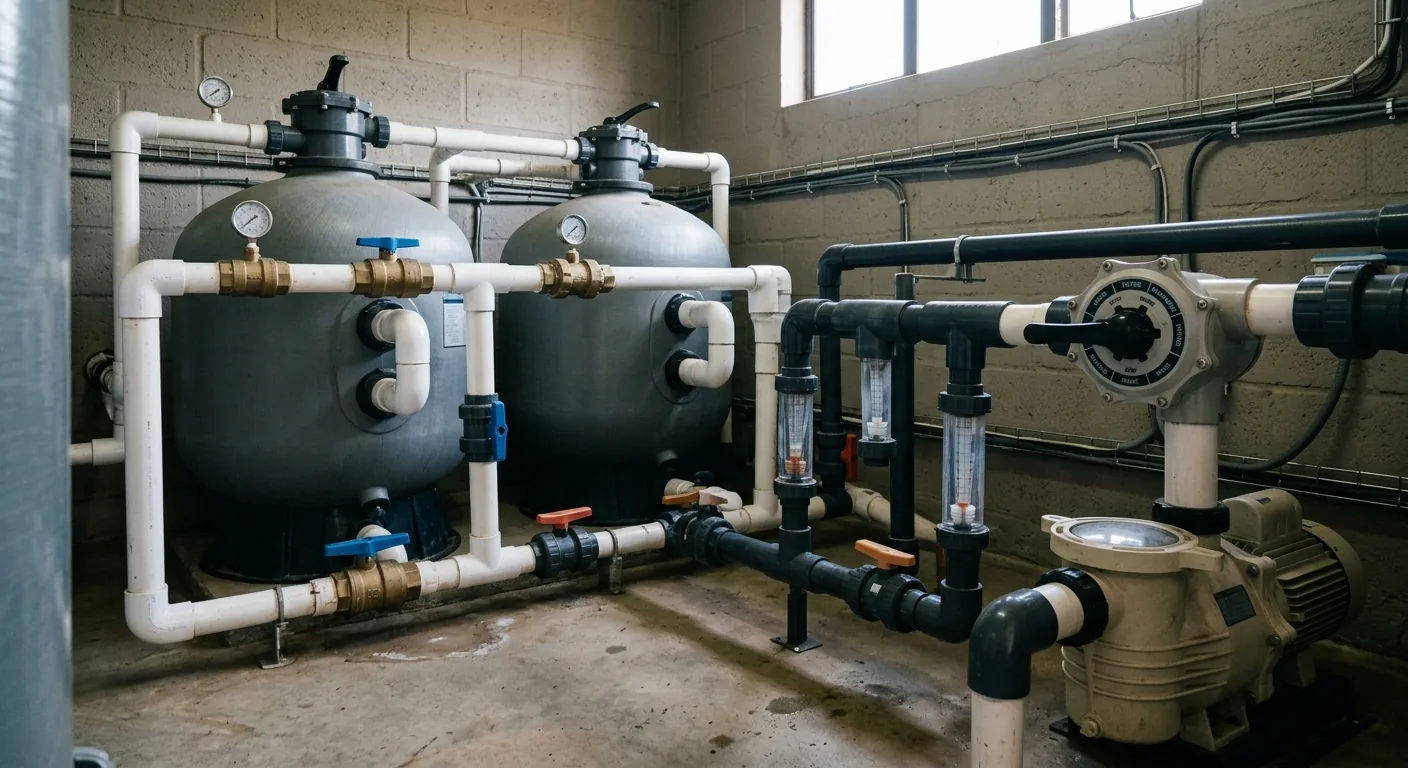
A calcite + magnesium-oxide contact column after the RO train, sized for ~5-minute empty-bed contact time, lifts the permeate to 80–120 mg/L TDS, pH 7.6–8.0, and a slightly positive LSI. The column is mechanical — no power, no chemistry — and is rebedded every two to three years. It transforms the kitchen experience, protects the reticulation, and clears the compliance line in one move.
If the proposal for your potable system does not include post-RO remineralisation, send it back. You are about to install corrosive water.