Factual water engineering.
Published weekly.
Engineering essays, regulatory primers and pragmatic PDF tools for lodge GMs, estate trustees, municipal engineers and procurement officers. Always factual. Always referenced. New post every Monday.
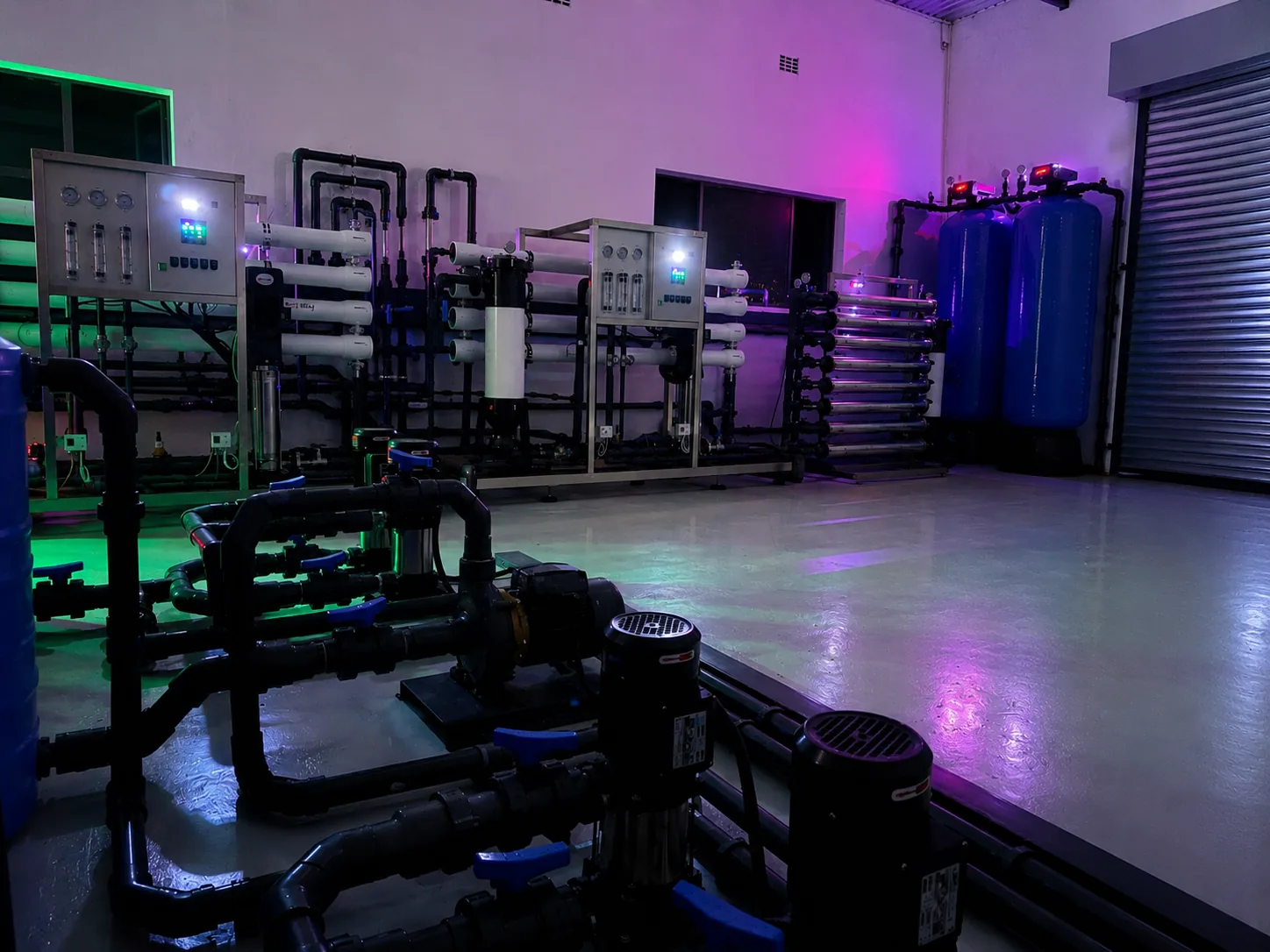
Why your last water supplier blamed the borehole.
The borehole almost never fails. The system attached to it almost always does — and the supplier on a 2021 invoice rarely answers the 22:40 Saturday call.
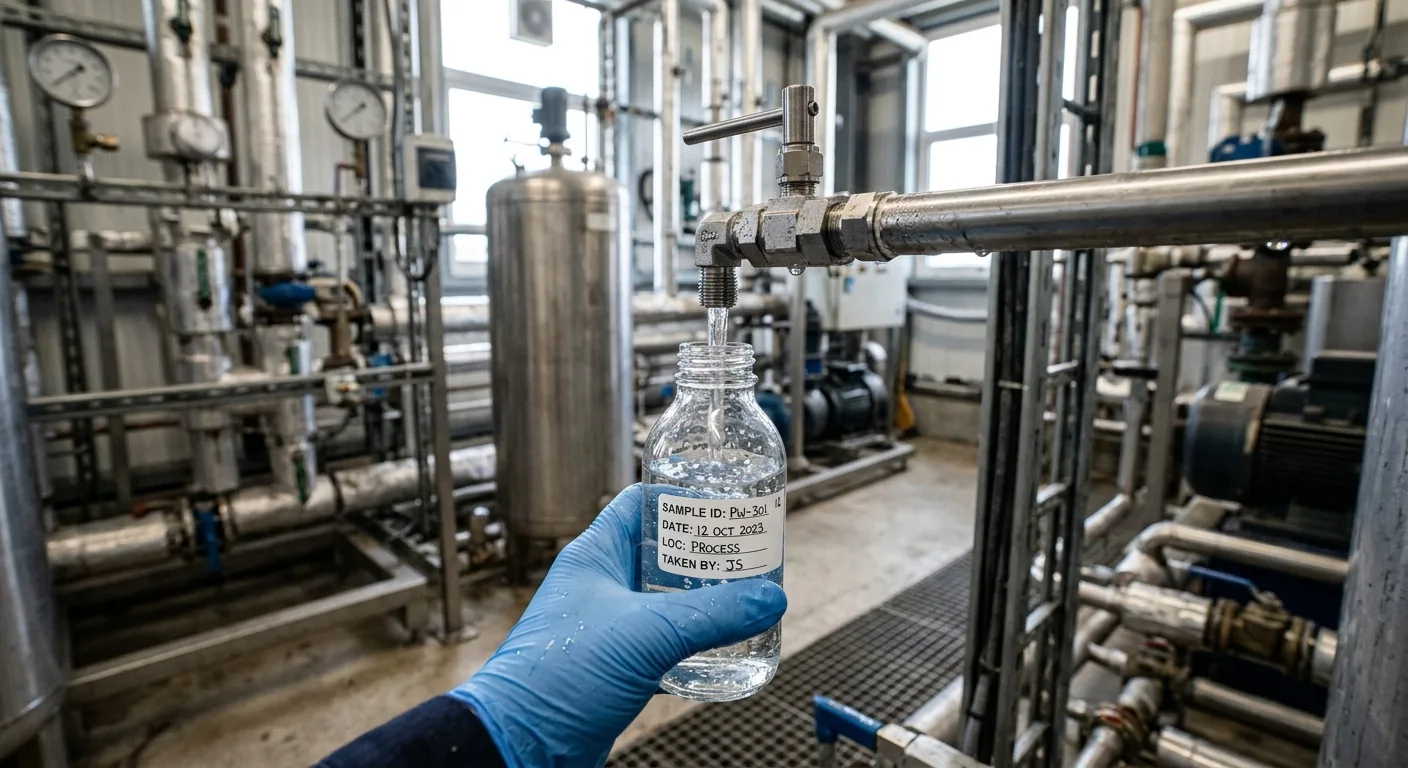
SANS 241:2015 — the standard most GMs misread.
Lodge owners treat SANS 241 as a single bacteriological hurdle. The standard is twelve separate determinant classes — and the audit trail begins at the outlet, not the plant.
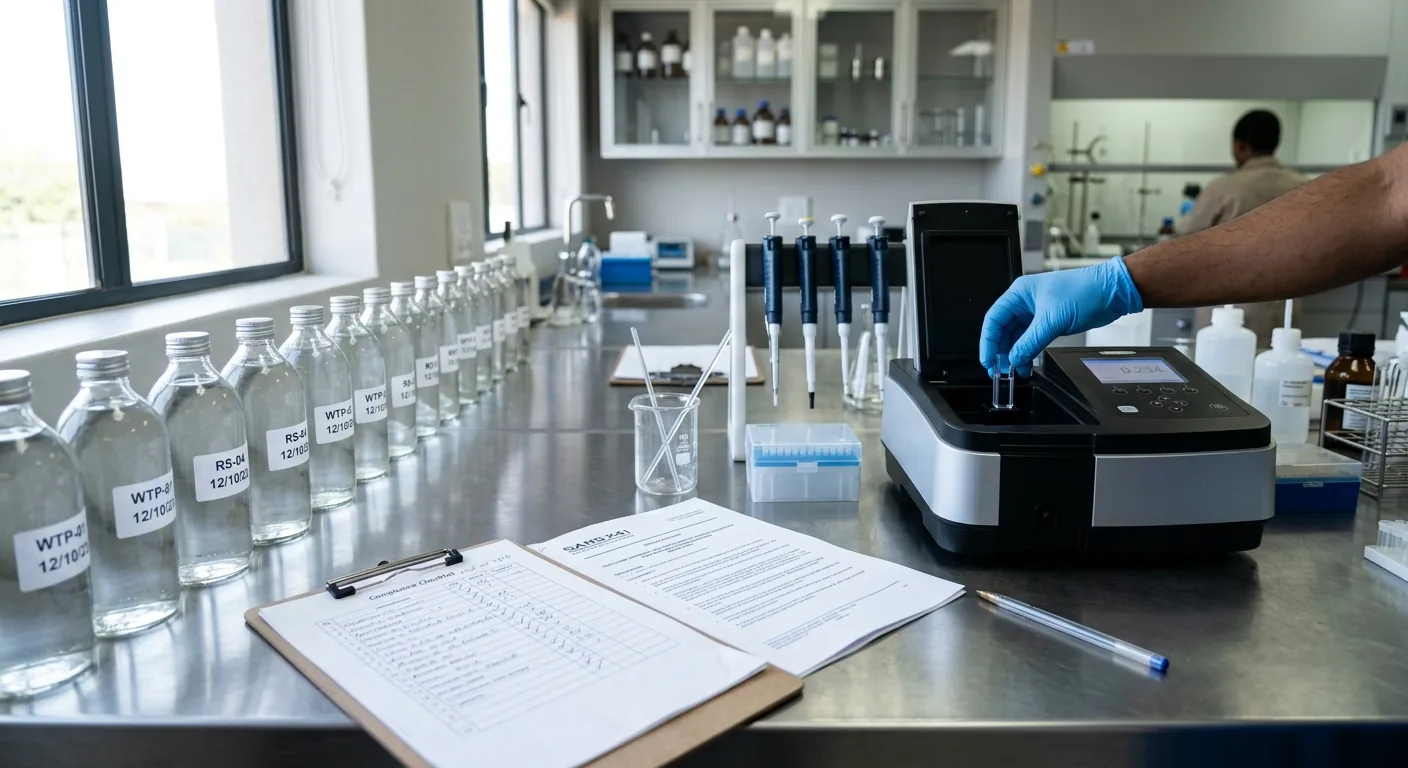
The moment your lodge legally becomes a water utility.
The Water Services Act doesn't care that you are a hospitality site. The moment you serve water to a third party, you carry intermediary duties — and the personal liability that goes with them.
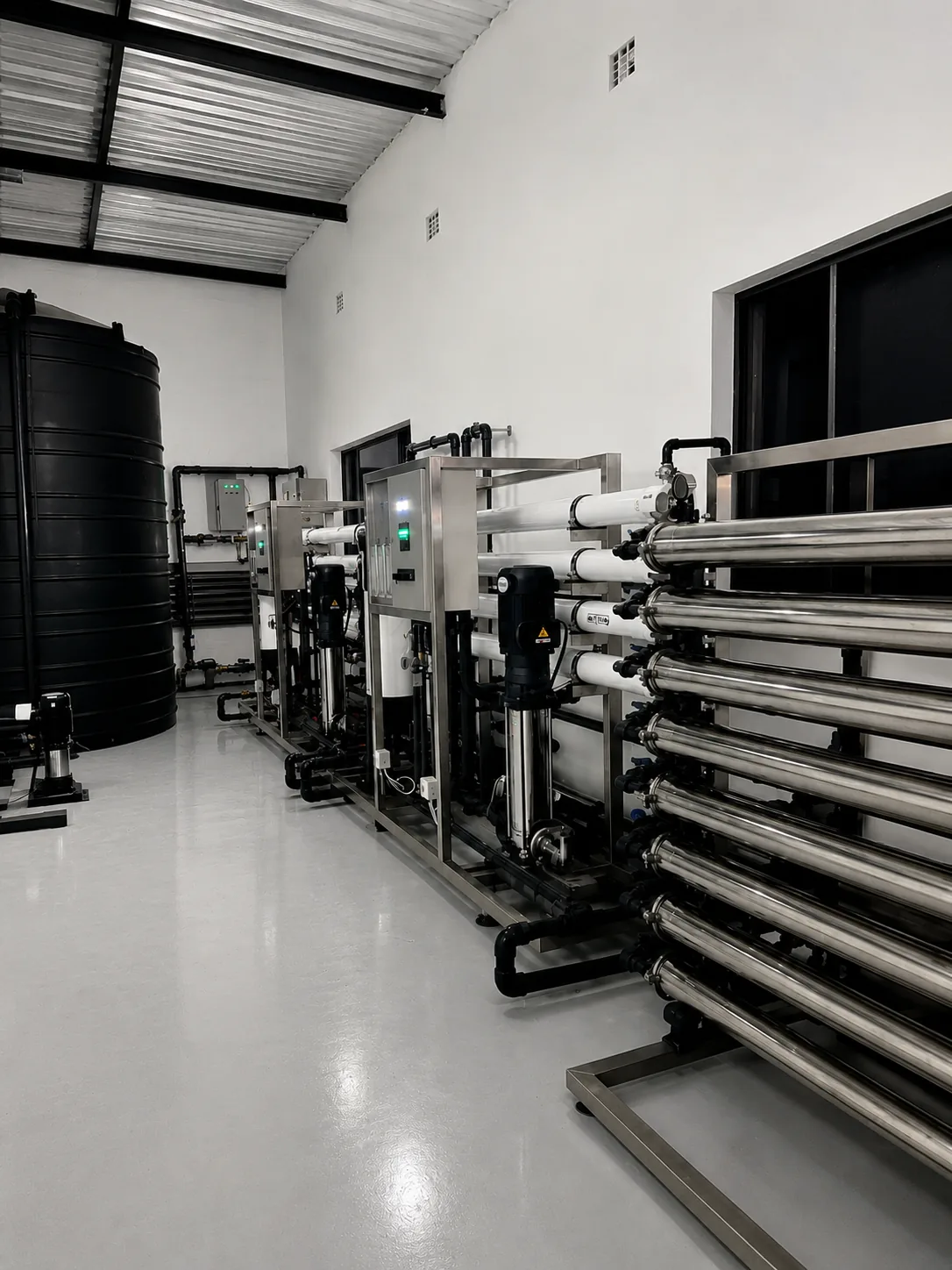
RO, UF, nanofiltration — when each is actually the right tool.
Every membrane technology is somebody's first choice. Half the lodges we audit have an RO train doing a UF job — and paying the energy bill to prove it.
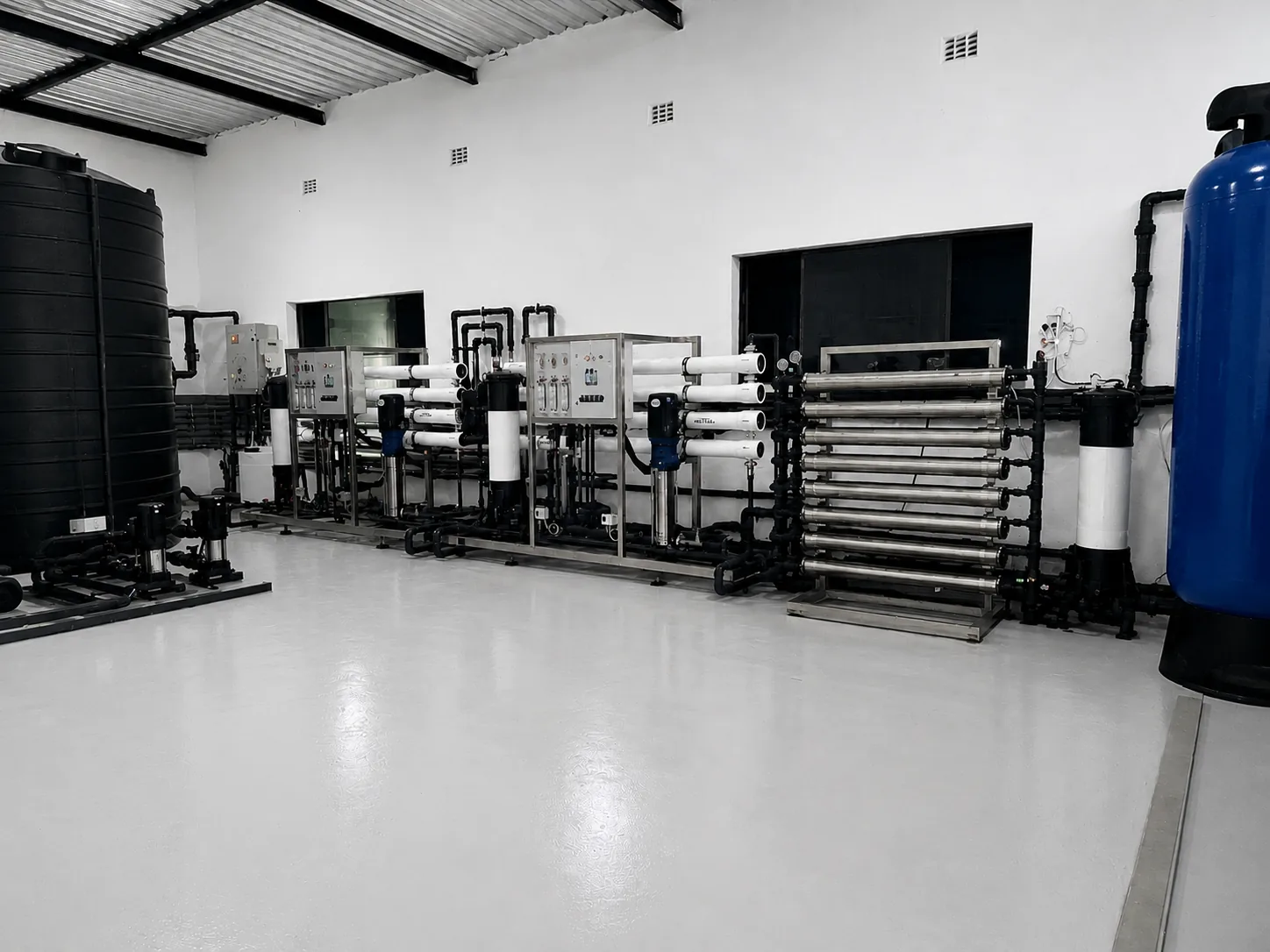
Why 'potable' and 'drinkable' are not the same word.
RO permeate is technically potable and entirely unpleasant. The chef notices first, the espresso machine notices second, and the basin notices six months later.
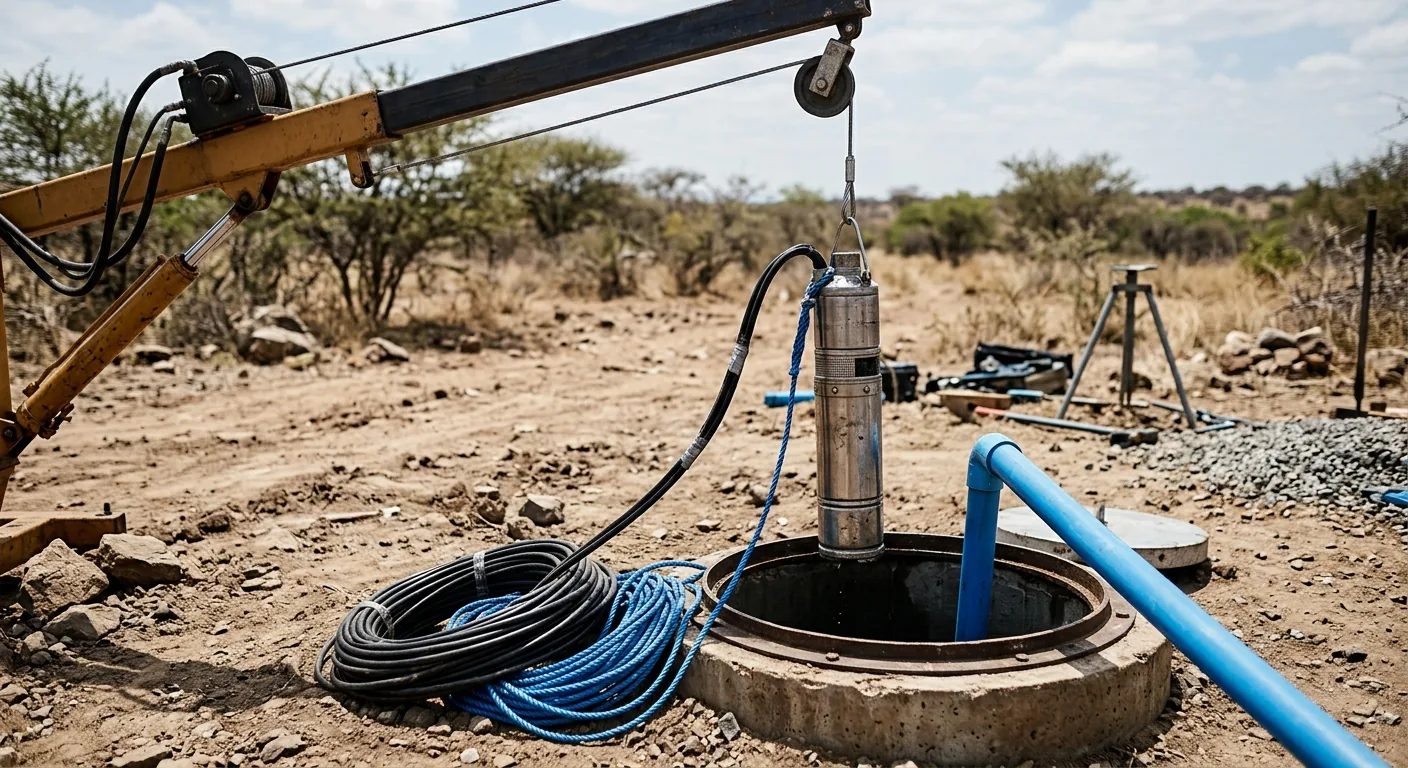
The real cost of borehole abstraction in the Lowveld.
Once you account for sustainable yield, treatment, energy and compliance, free borehole water often costs more than a municipal connection — and behaves worse on the gala-dinner Saturday.
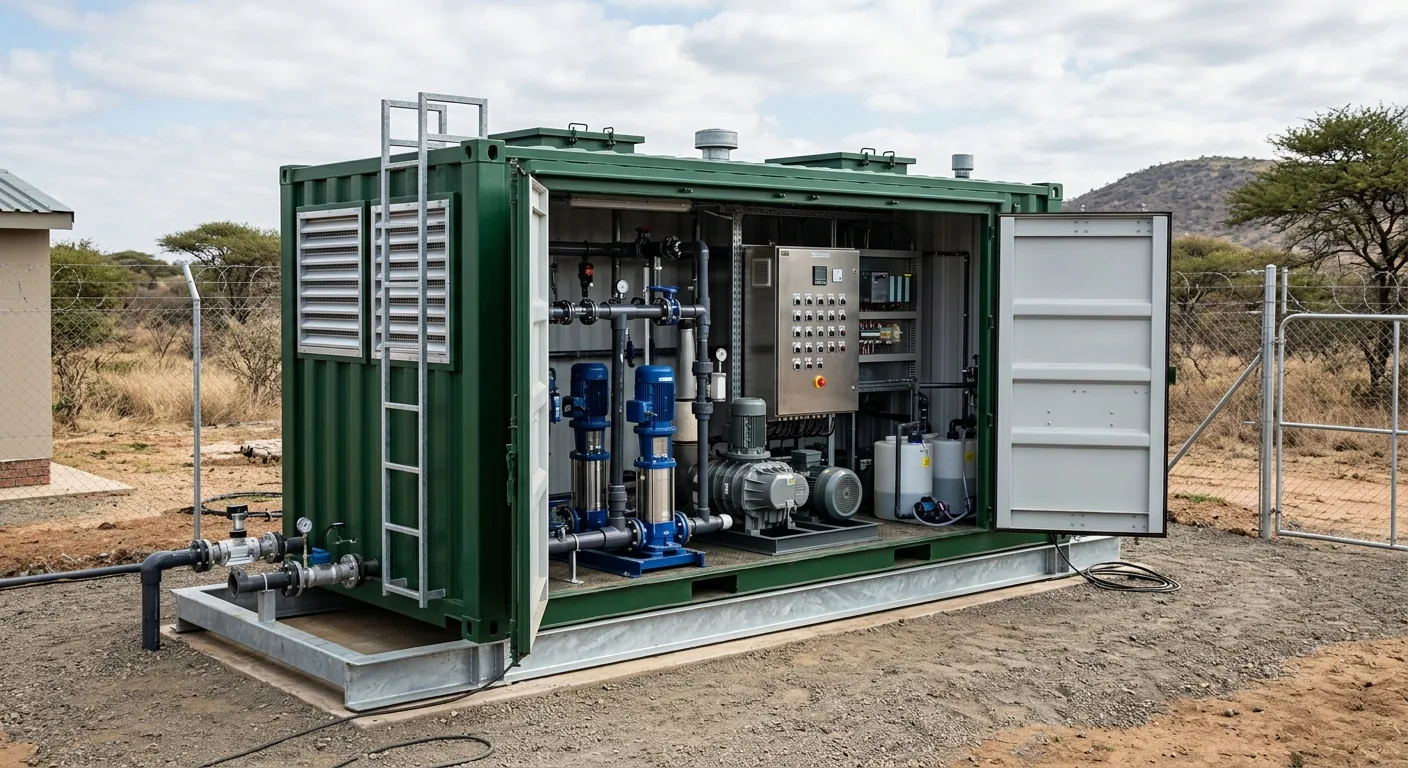
MBBR, SBR or MBR — choosing the right lodge wastewater plant.
The three acronyms occupy 80% of the lodge wastewater market. Picking the wrong one costs you footprint, energy or sludge — and sometimes all three.

The General Authorisation file — what regulators actually check.
The Section 39 General Authorisation isn't a one-time submission. It is a running file — and the DWS inspector wants to see what you did this month, not what you submitted three years ago.
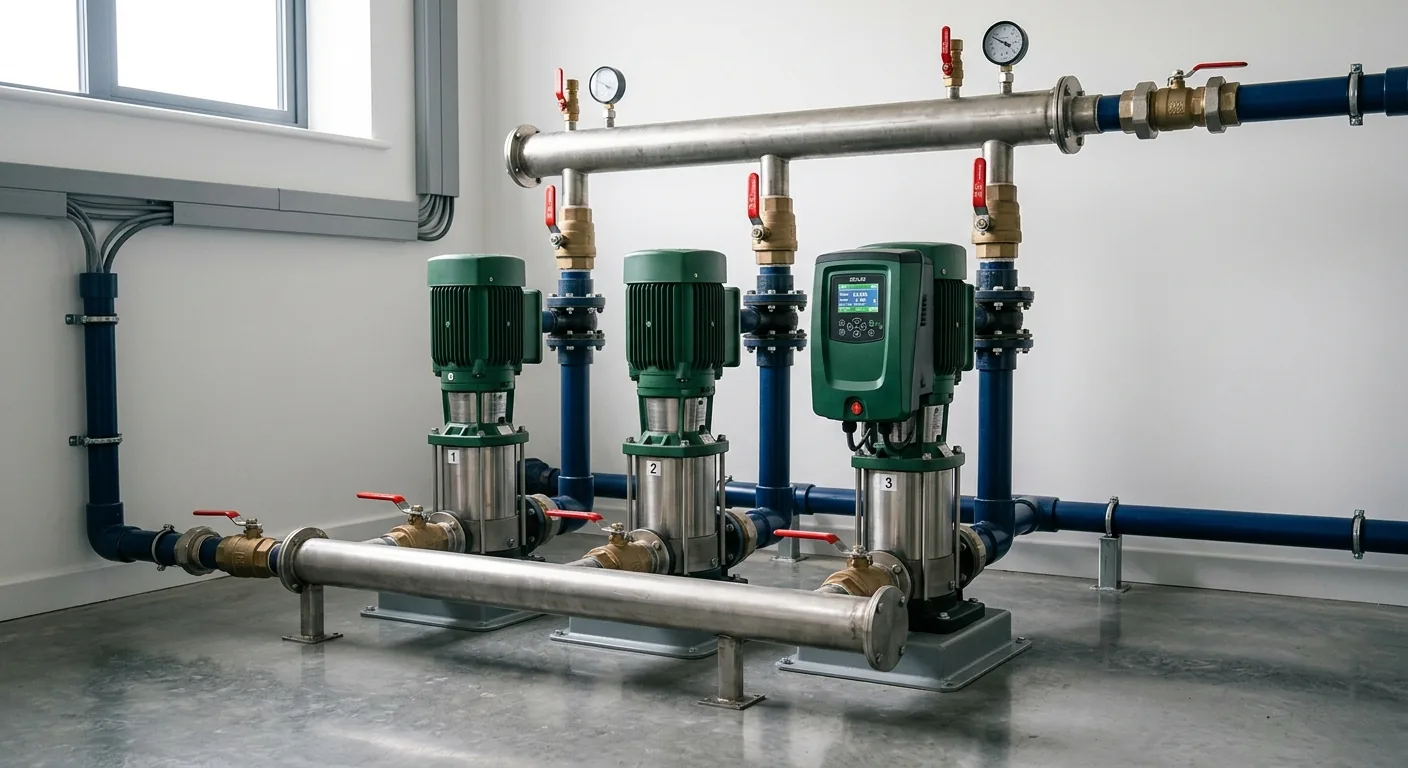
Why pressure vessels are a 1990s solution.
Constant-pressure VSD costs more on day one and saves more every day after. The maths is settled — and the guest in suite 12 will hear the difference.
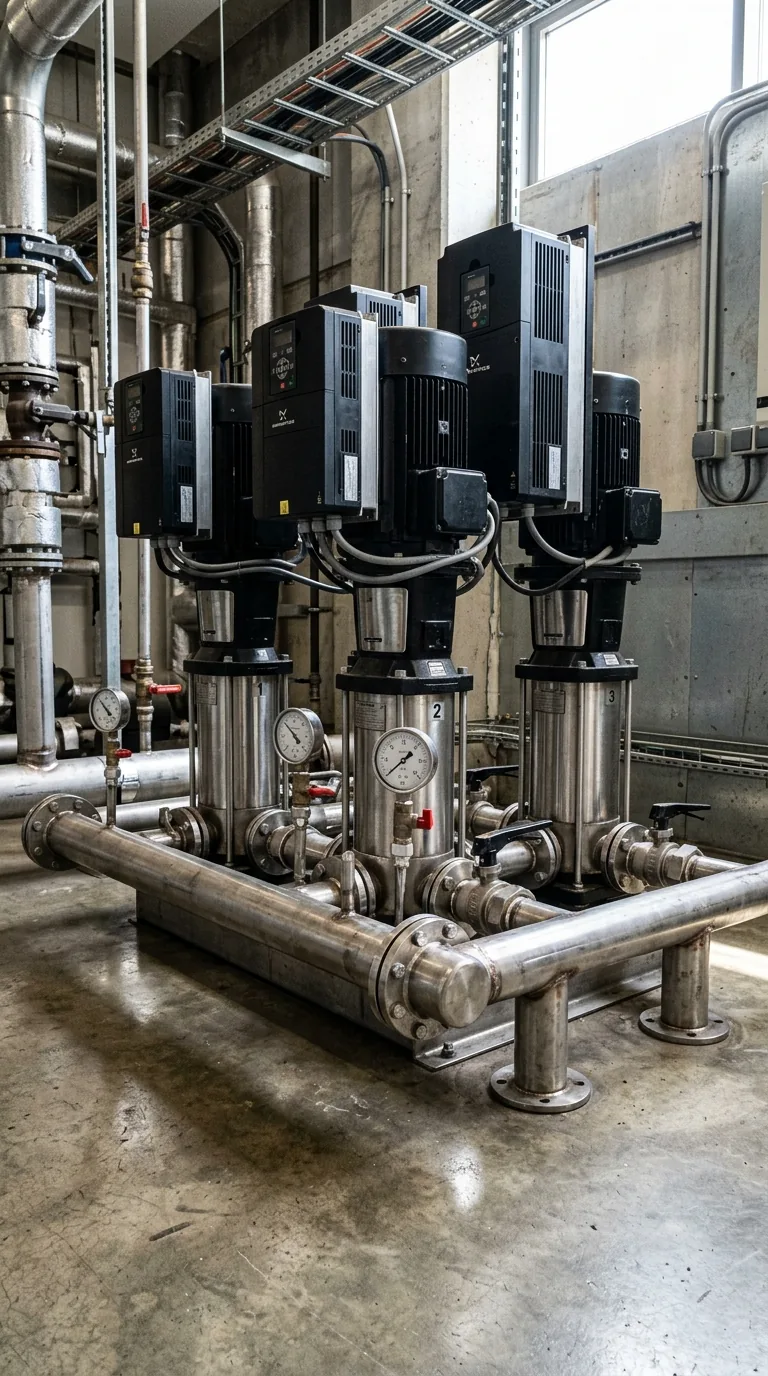
Whisper-rated pump rooms — and how to actually measure them.
Vague 'quiet' commitments lose their meaning in the proposal stage. A 55 dBA at 1m specification is a defensible number — and the only one that protects the guest.
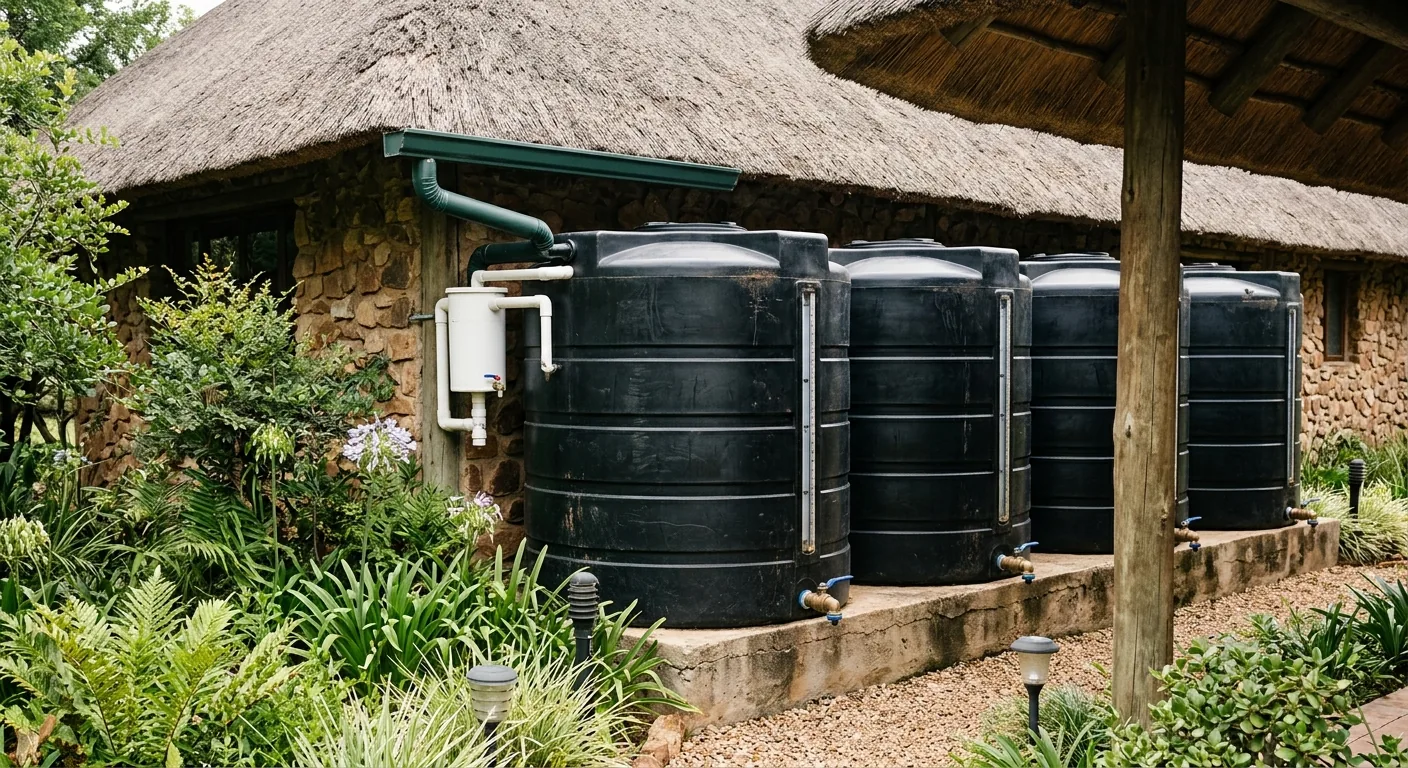
Rainwater harvesting in luxury hospitality — done properly.
Catchment area determines volume. Storage determines availability. First-flush determines quality. Get any of the three wrong and the system disappoints in the dry season.
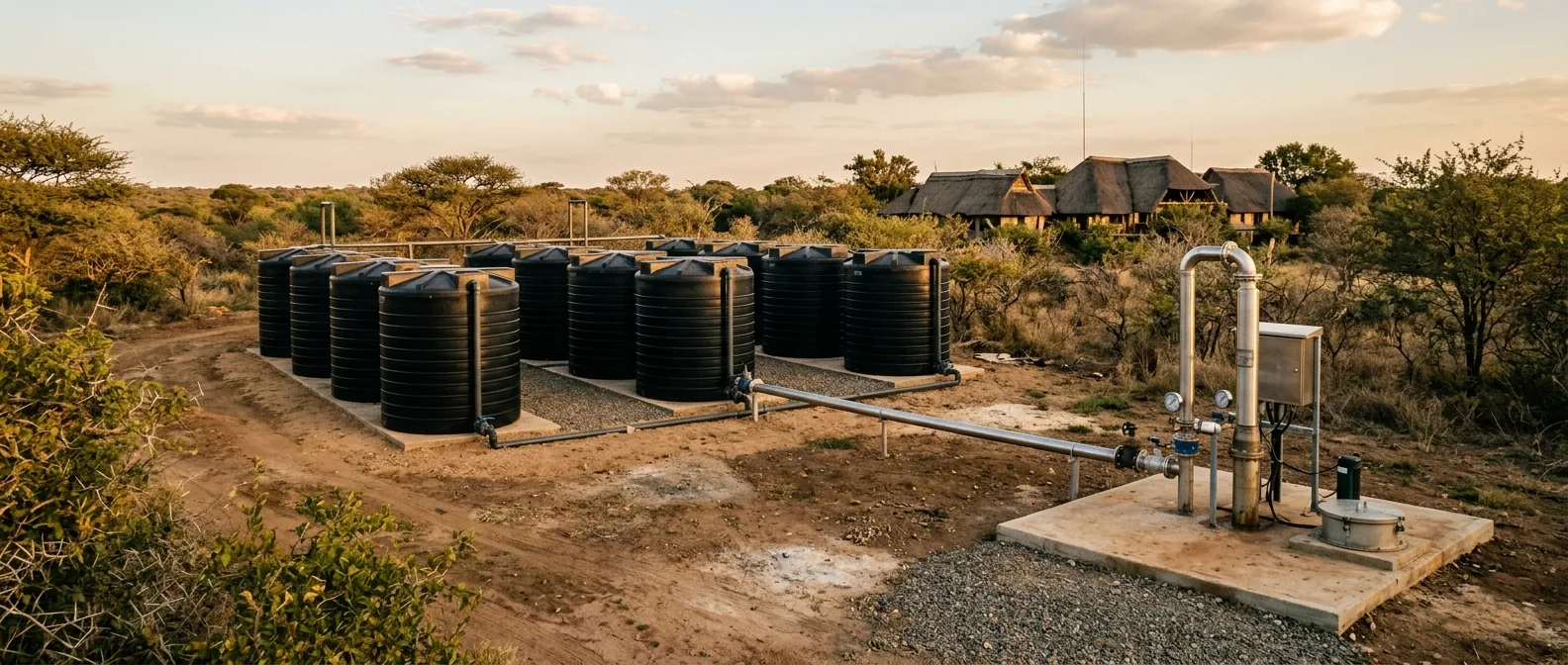
What 2024–2030 actually looks like for SA hospitality water.
The South African Weather Service's projections are not subtle. The Lowveld will be drier, hotter, and more variable. Resilience now is cheaper than emergency drilling later.
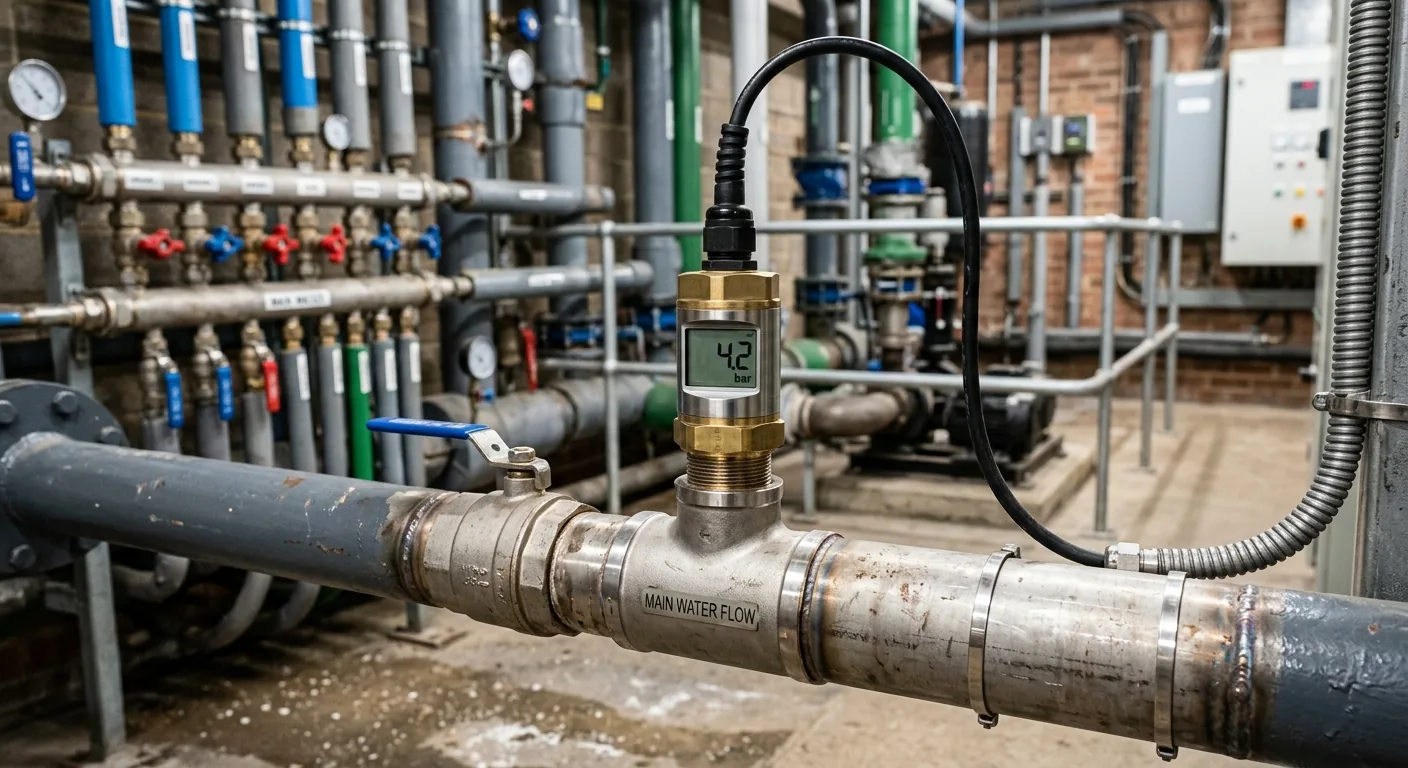
Per-villa water billing on residential estates — the operator's primer.
Sub-metering looks simple until the dispute. The technology that survives the HOA AGM is calibrated, telemetered and auditable — not a row of mechanical meters in a manhole.
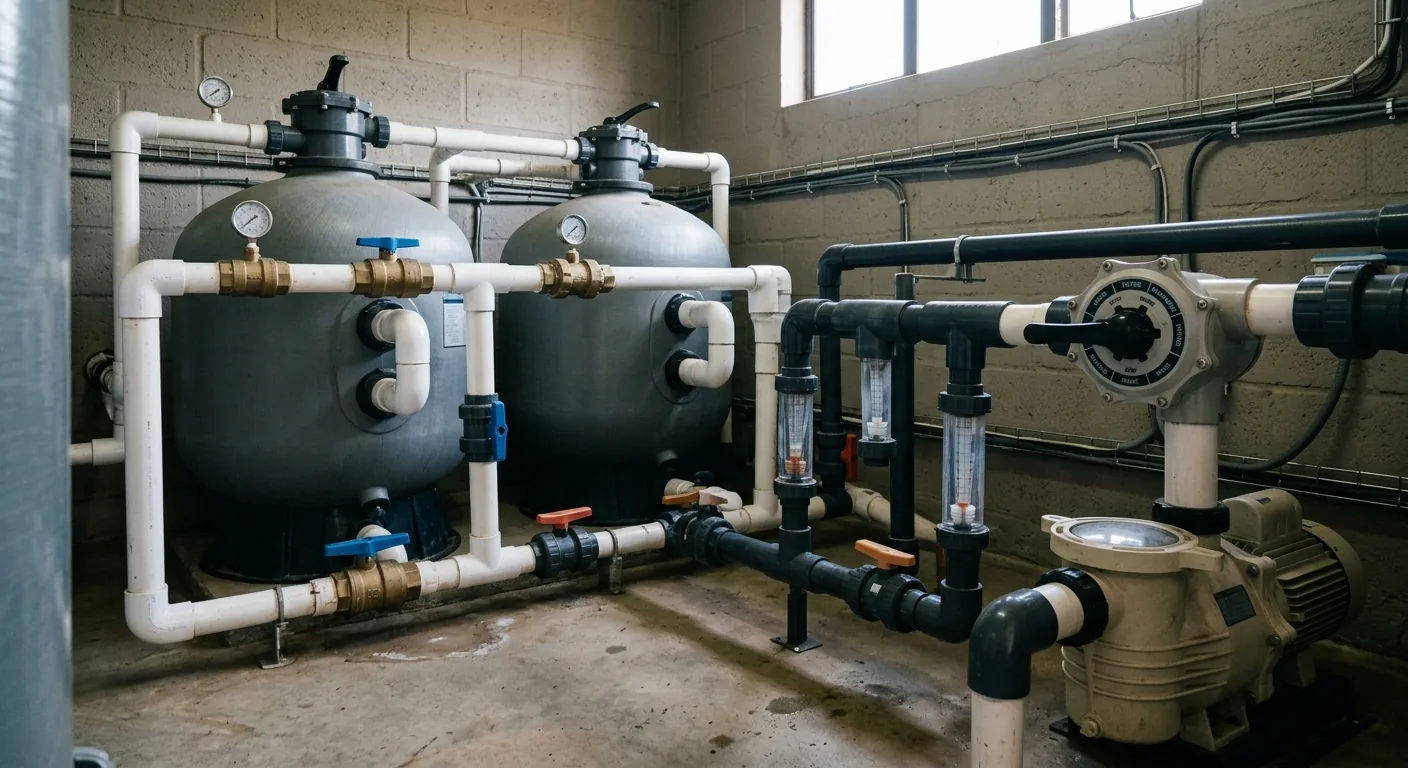
Pool and spa water — the chemistry beyond chlorine.
Free chlorine is one of six numbers a competent operator manages. The five they don't manage are the ones the guest notices on the way out of the pool.
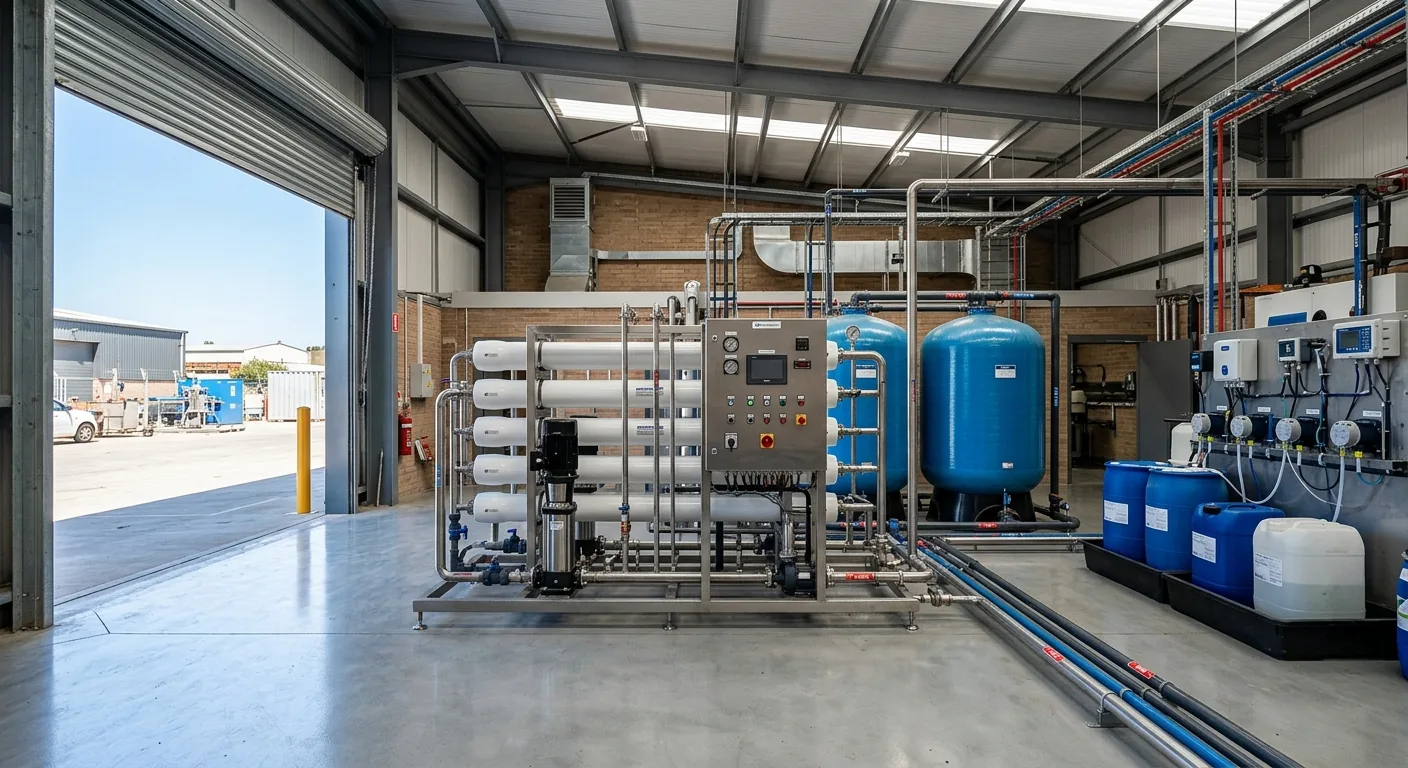
Solar-driven water treatment — the 2026 economics.
Falling panel prices and rising grid tariffs have moved the breakeven for solar-on-water-plant inside four years. For most lodges, the financial case is now stronger than the resilience case.
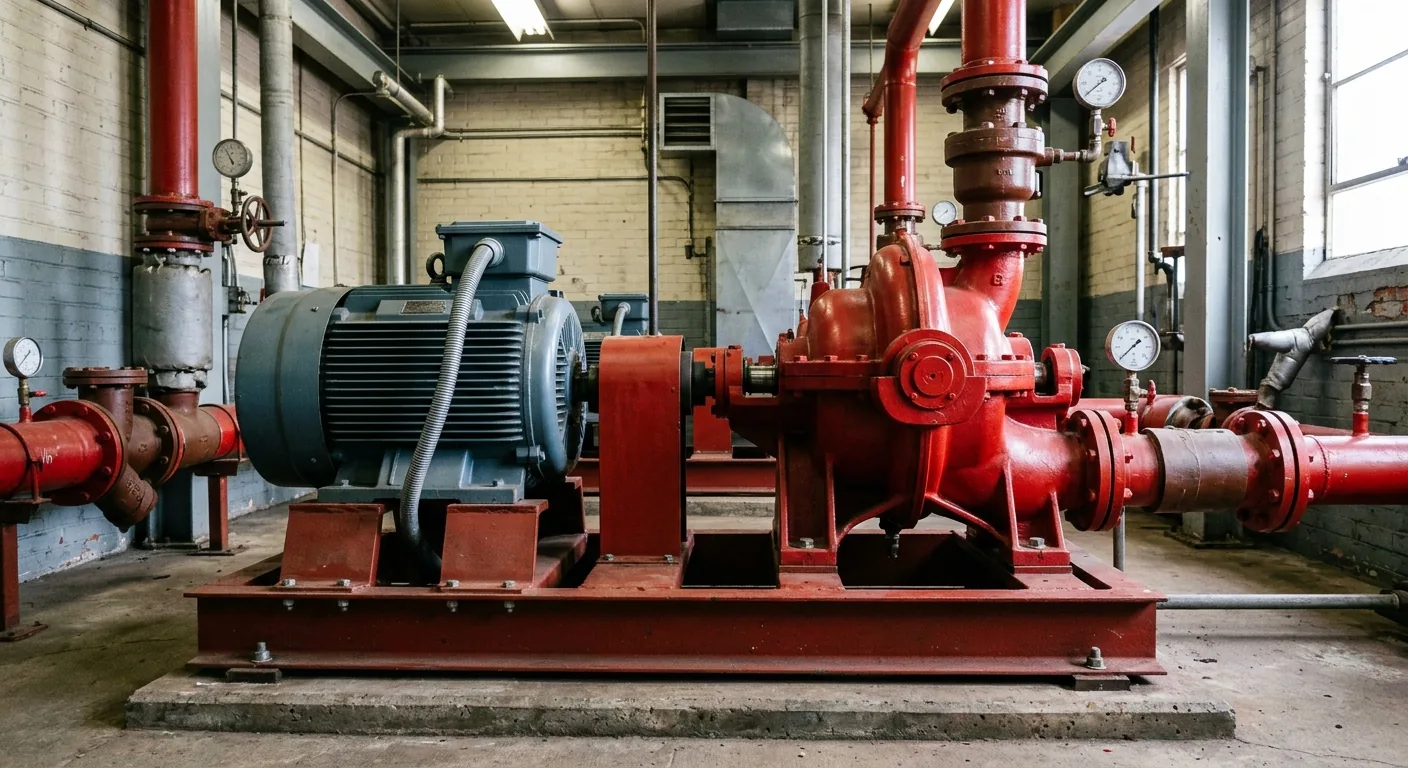
Fire-reserve sizing under SANS 10400-T — without folklore.
Fire-reserve calculations are a registered engineer's signature, not a rule of thumb. Insurance will not underwrite a number that doesn't carry one.
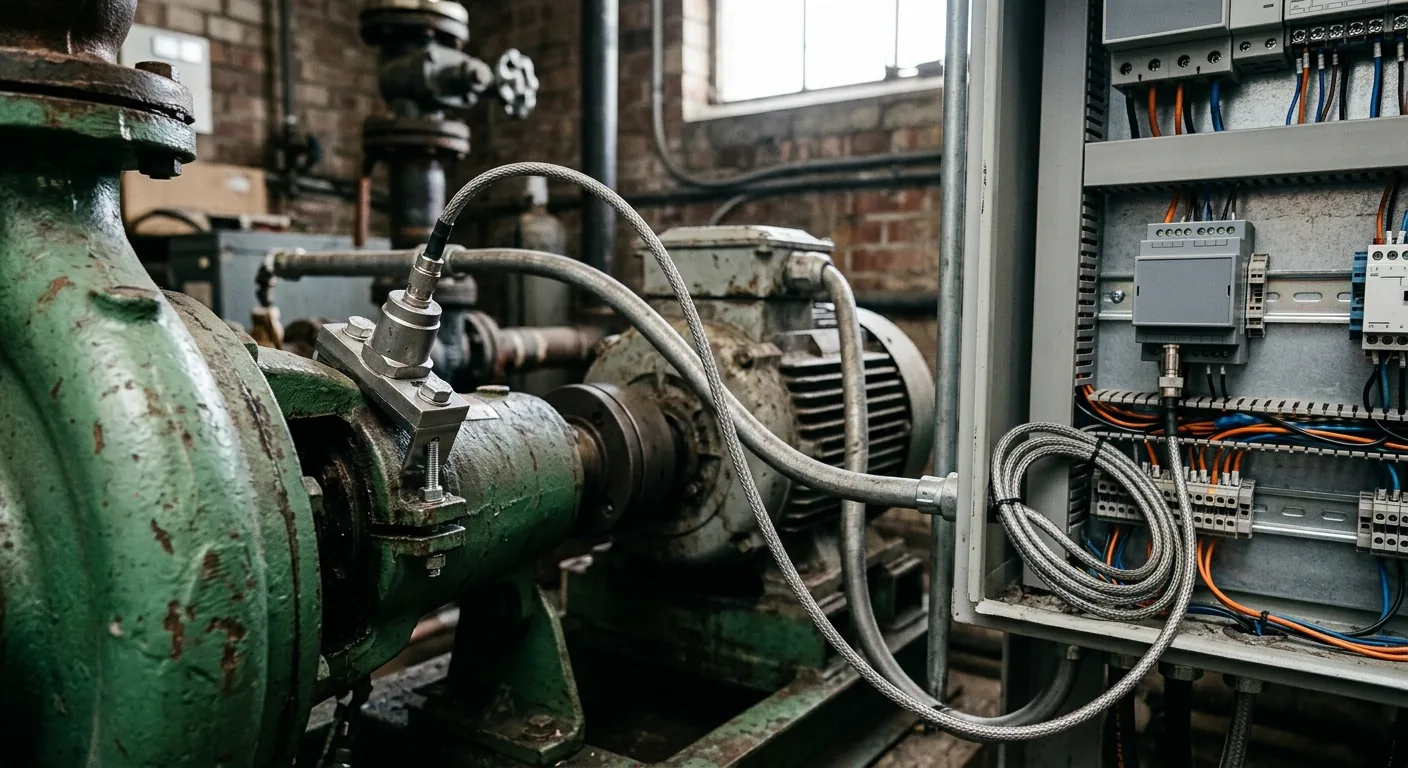
Telemetry that actually finds the 18% you're losing.
Most South African water systems lose 18–35% of their input water before billing. A correctly-instrumented telemetry layer finds it inside three months — and prevents it the year after.
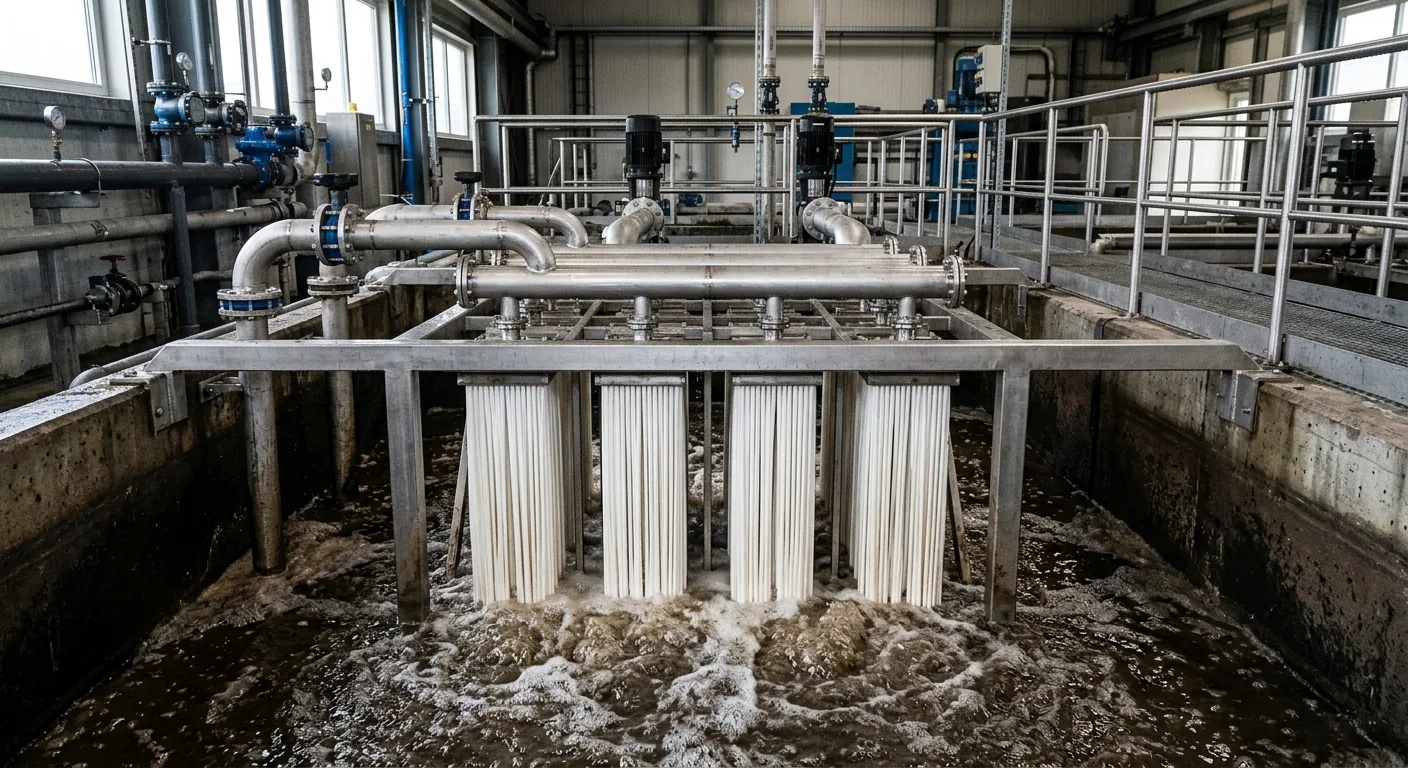
Greywater reuse — what is legal in South Africa, and what isn't.
Greywater is the single largest immediate reduction in lodge water demand. The legal frame around it is permissive — but specific. Get the specifics wrong and the upside disappears.
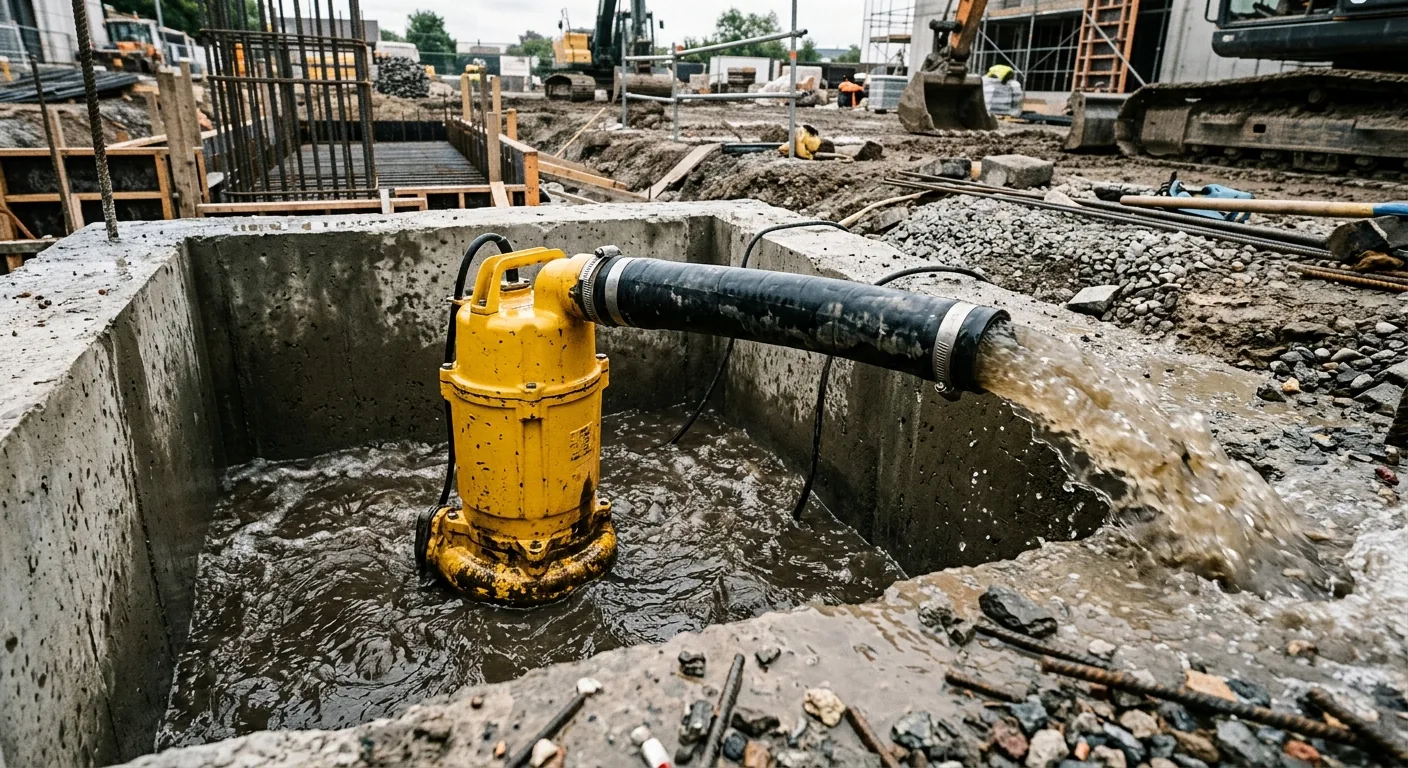
Acid mine drainage — a primer for operators who inherited it.
Acid mine drainage doesn't stop when mining stops. The chemistry runs for decades. The water-treatment strategy that contains it is a 50-year operational commitment.
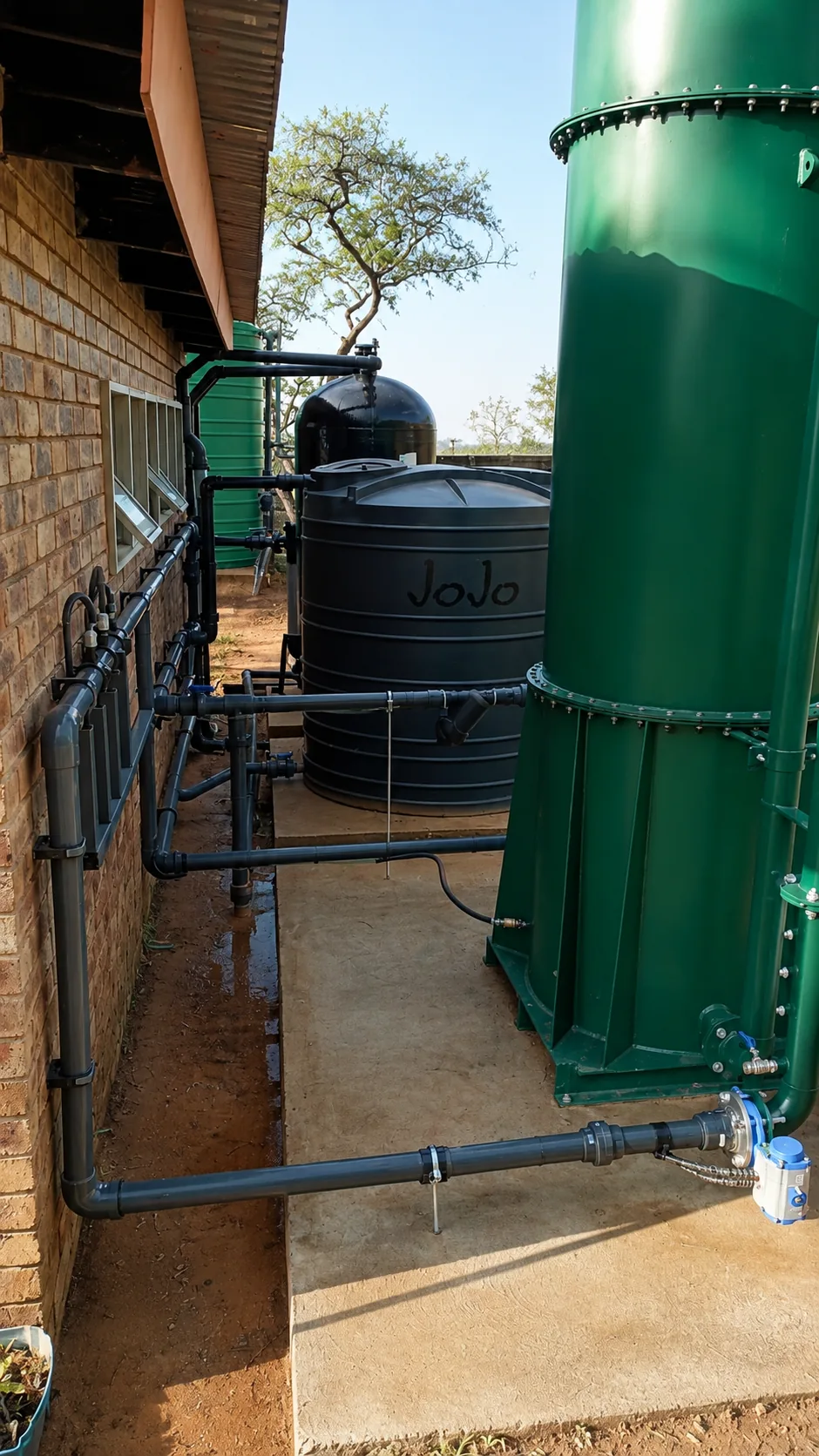
The water-chemistry brief your head chef wishes you had.
Specialty coffee, clear ice and a kitchen brigade that doesn't complain about the dishwasher — all three are the same chemistry problem.