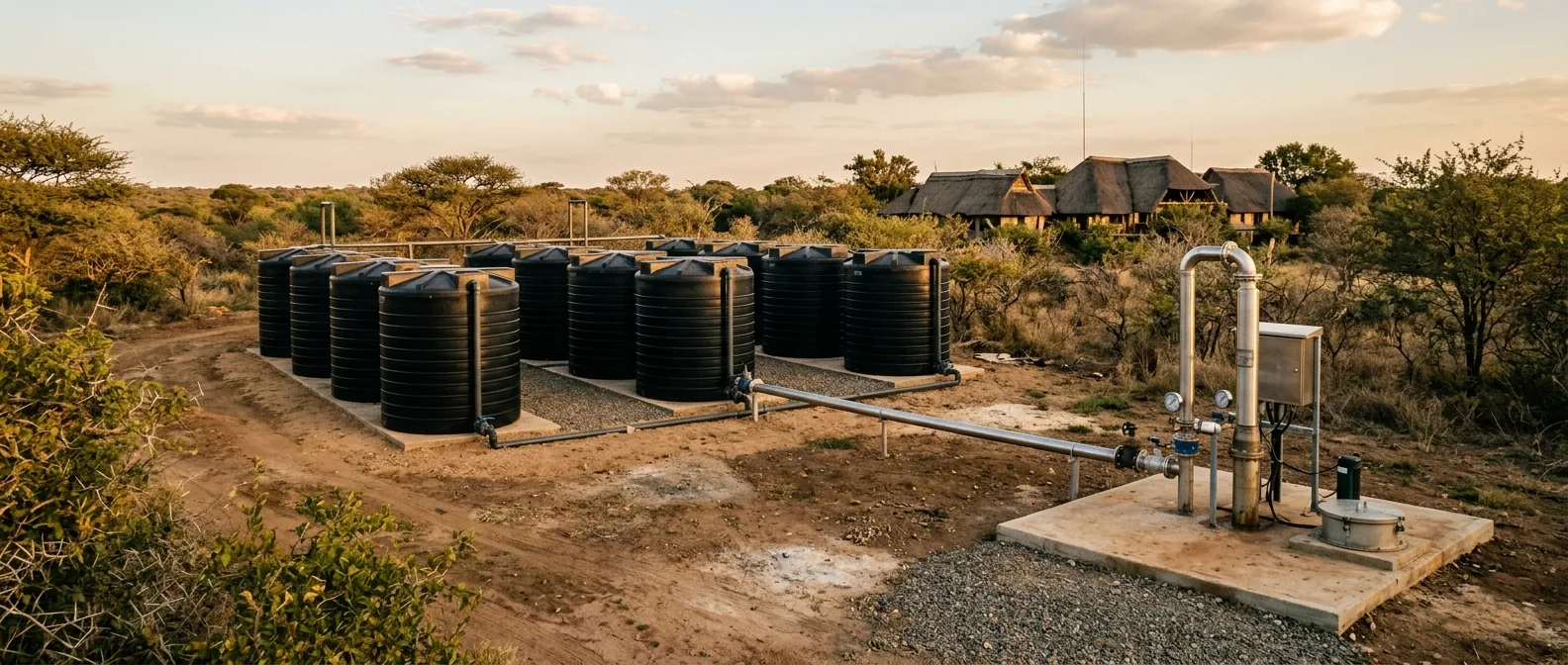
Rainwater & Multi-Source Harvesting
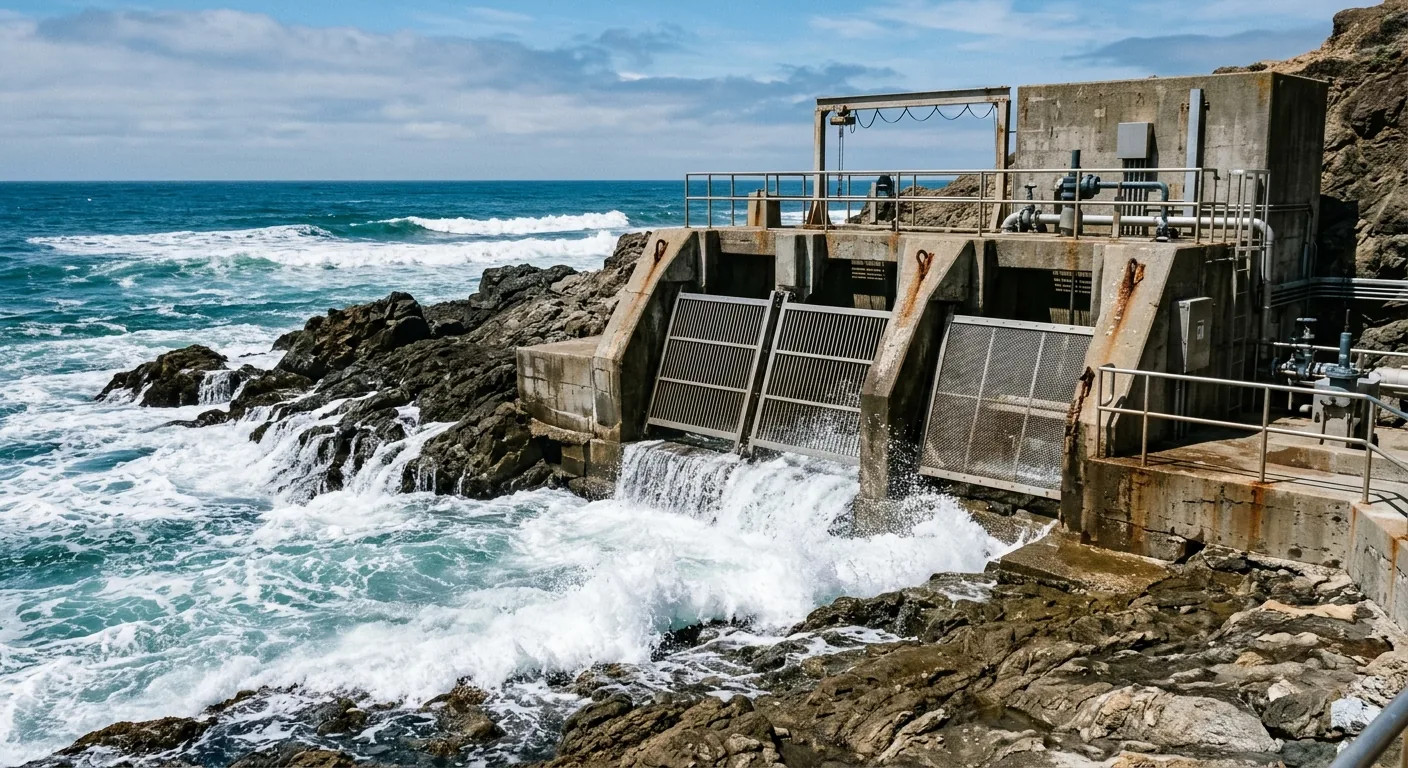
Rain, boreholes, rivers, dams, springs, coastal intakes — integrated for total independence.
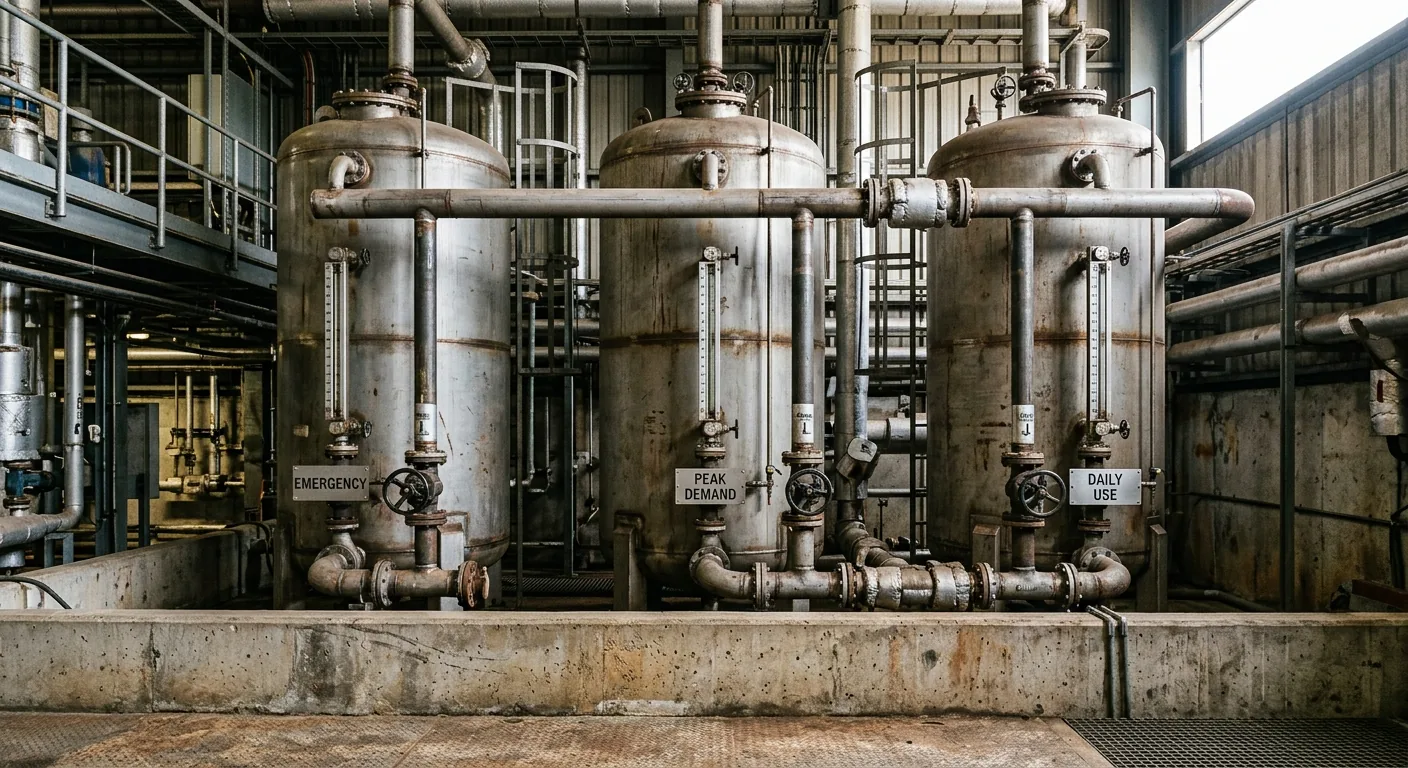
Storage isn't a tank — it's three calculations: daily demand, peak demand and emergency reserve. Get any of them wrong and the site pays for it eight months later in a dry February. We size storage against real occupancy curves, not brochure numbers.
The technologies
we deploy.
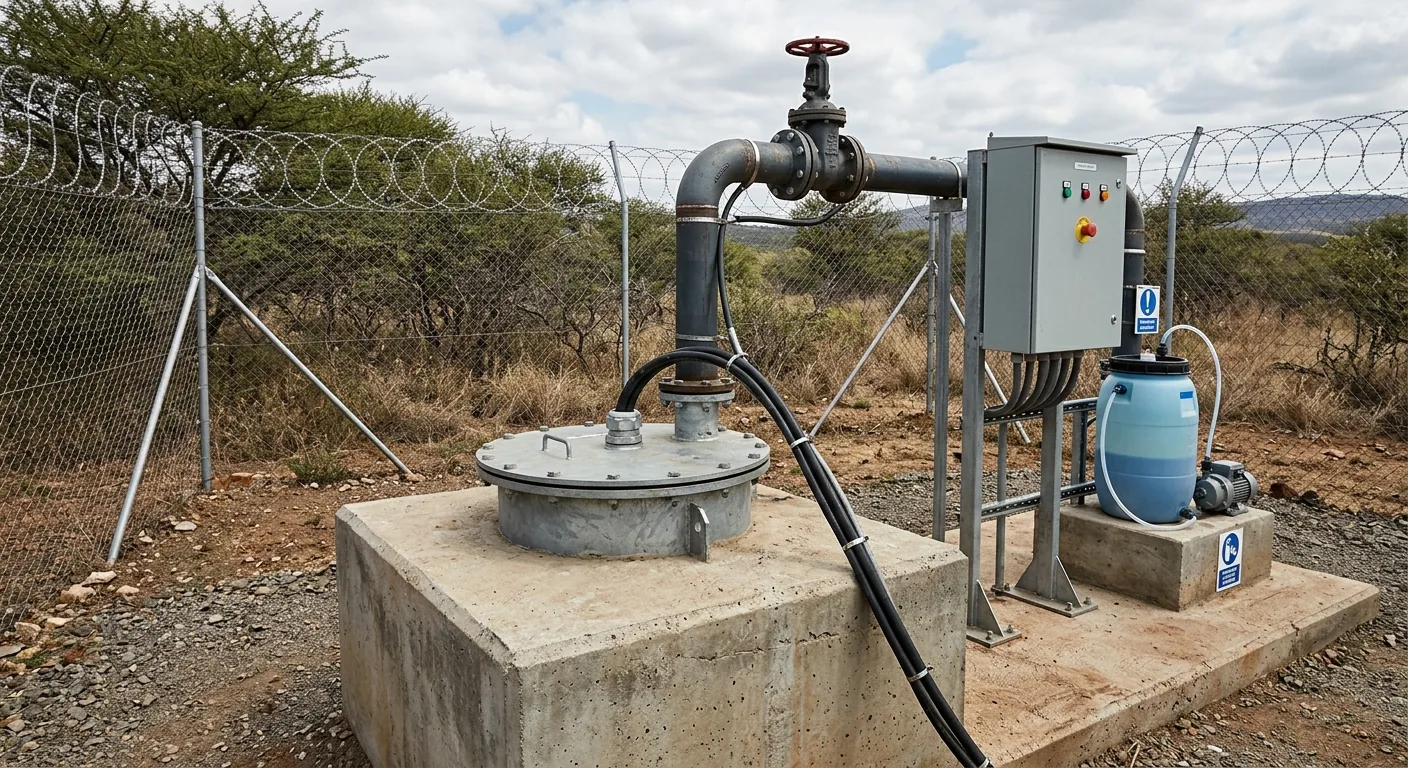
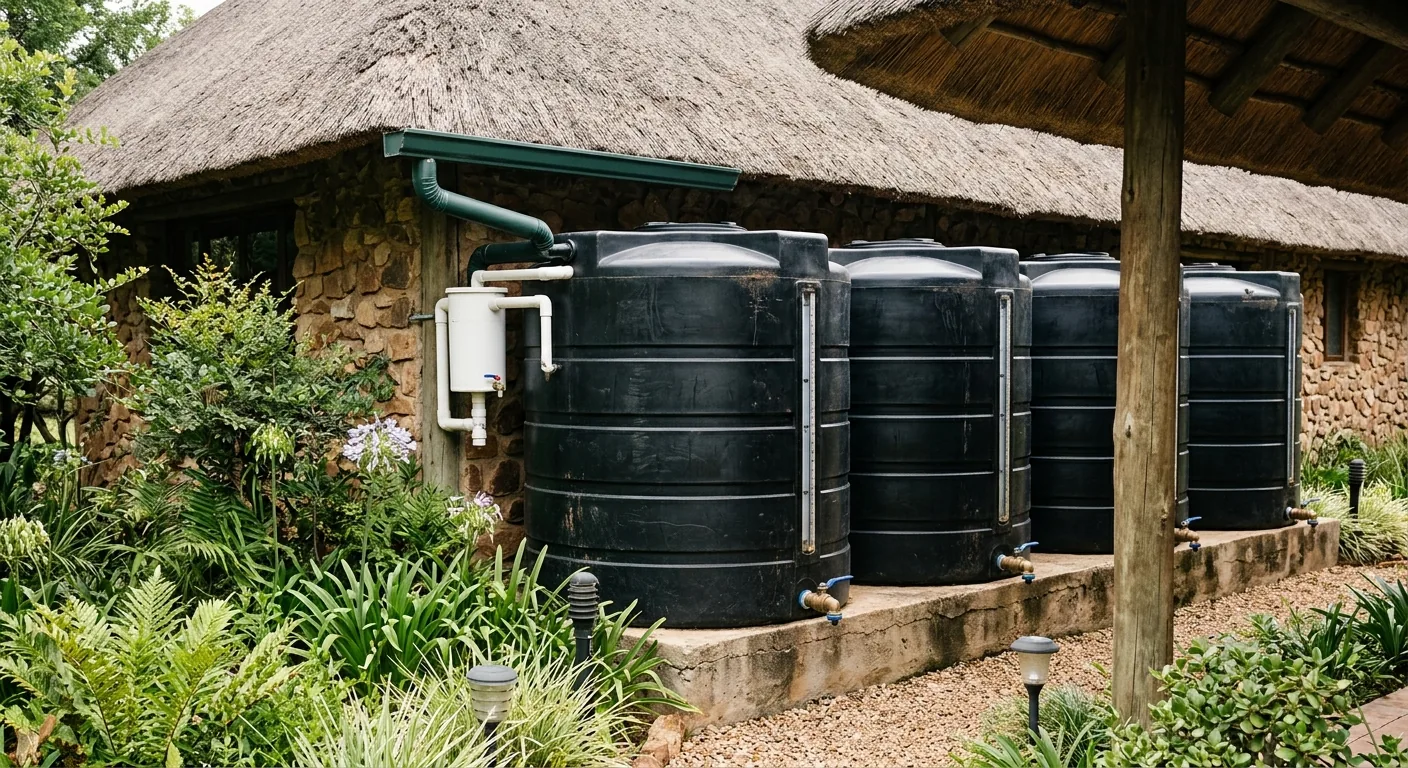
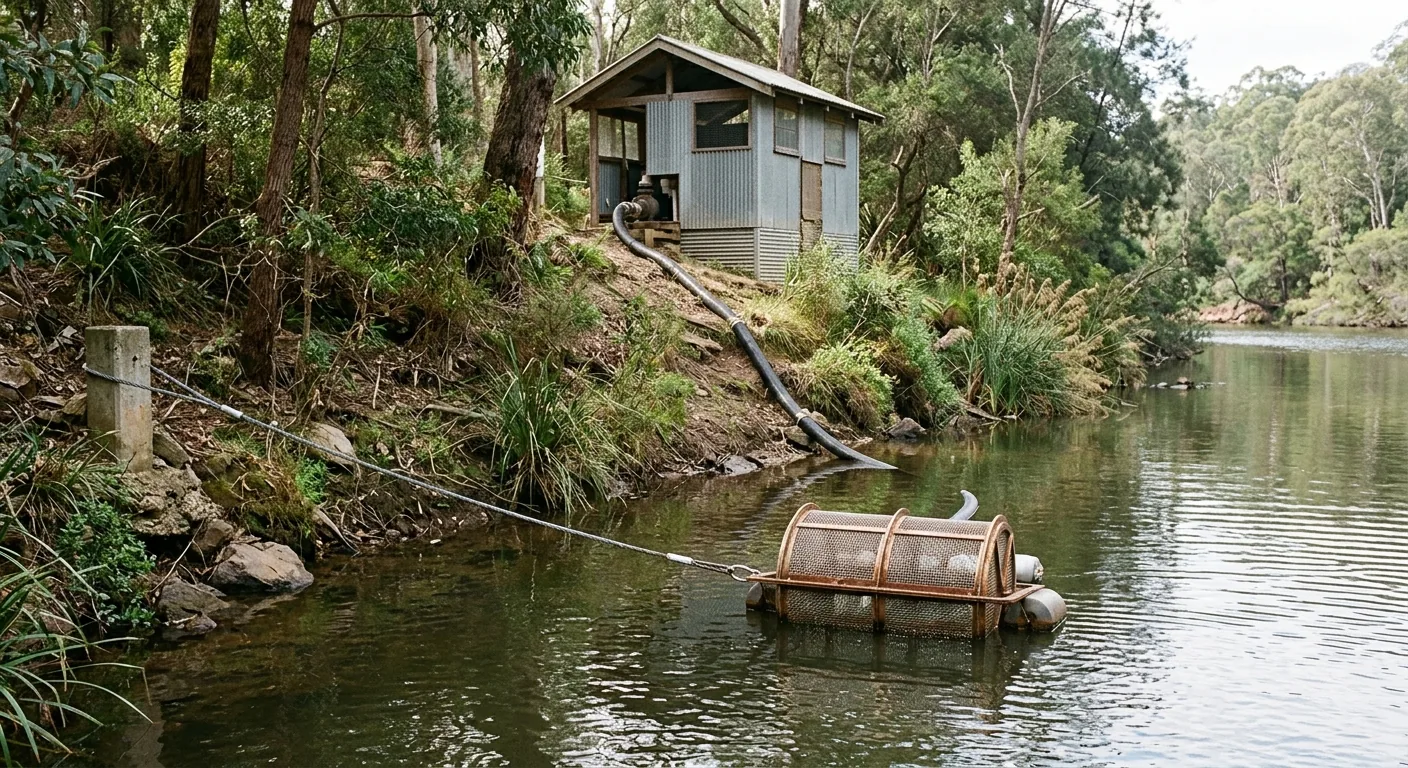
Low-visibility tanks and pipework that blend into decks, landscaping and natural terrain.

What you get
when signing with us.
Every borehole gets a step-test and a constant-discharge test. We size the pump to the proven yield, not the licence maximum.
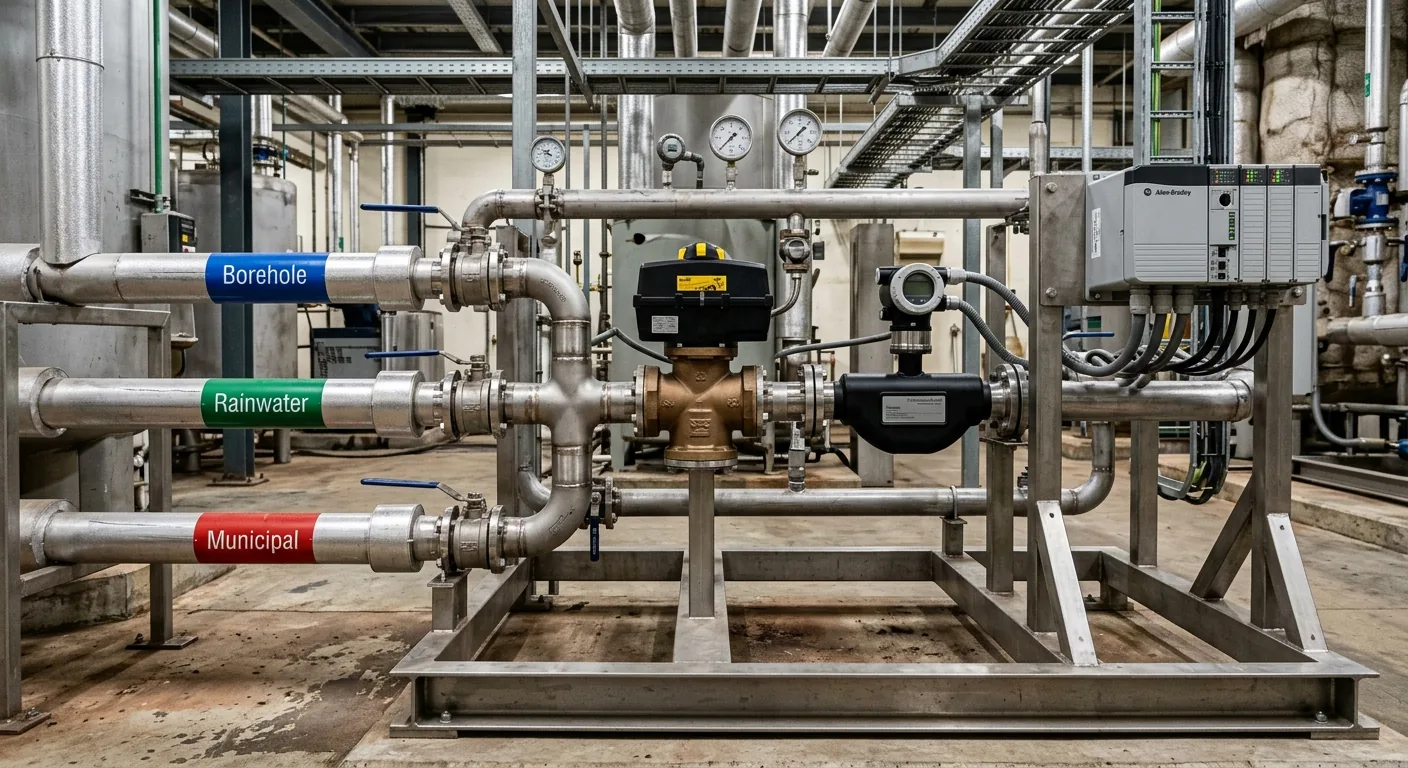
Rain carries first, borehole second, municipal third — or whatever the cost and quality stack dictates. Auto-blended, telemetered.
Storage sized against historical worst-drought rainfall, not the average. February-proof.
Tanks integrated into the site's design language — not afterthoughts on a slab.
Buyer's guide.
The questions every commercial buyer should put on the table before signing for a water system. Can't see yours? Send us a brief — a HidroVerse specialist replies within one business day.
Yes — we keep an organised reference list of lodges, estates and agricultural sites running multi-source storage stacks of similar scale. Names and contacts are released after a short qualifying conversation.
We pull regional rainfall data, model your demand profile, and size emergency reserves against the historical worst drought year for your catchment — not the annual mean. We'll show you the calculation on the design pack so the assumption is auditable.
Yes — multi-source intake is a standard part of our design. Automatic source-switching prioritises the cleanest and cheapest feed at any given moment, with manual override available. All sources feed one storage and one treatment train.
A step-discharge test followed by a constant-discharge test over the recommended period for the site. We then specify the pump against the proven sustainable yield — not the licence maximum and not the driller's brochure figure.
We almost never leave a tank visible to a guest. Sectional tanks get bermed, screened or built into service yards from the design stage. Where the architecture allows, we'll route the brief through your designer so the storage disappears into the landscape.
Rule of thumb: 7 days of daily-demand + peak surge + fire reserve. For a 20-suite lodge, that usually sizes to 100–250 kL.
Lowveld rainfall is seasonal — 500–800 mm/year. A 300m² roof captures enough for 1–2 households in a good year. For estates and lodges we always pair rain with borehole.
Not if we design them in. Most lodge-grade storage is screened with bushveld or bermed into the landscape. Architecturally-integrated options are available.
Standard on every rain system we install — they divert the first 20–40 L per downpipe, which carries most of the roof contamination.
Level and flow telemetry on every tank. Rate-of-change alerts flag a leak or unexpected draw within minutes.
- JoJo
- eco tanks
- KRM
- Rainbow
- Rainqueen
- JoJo
- eco tanks
- KRM
- Rainbow
- Rainqueen
- JoJo
- eco tanks
- KRM
- Rainbow
- Rainqueen
- JoJo
- eco tanks
- KRM
- Rainbow
- Rainqueen