Pool chemistry on a luxury lodge is a six-variable problem and most operators manage one. The variable they manage is free chlorine. The five they often do not are pH, total alkalinity, calcium hardness, cyanuric acid and combined chlorine. Each of them has a target band, each of them moves daily, and each of them produces a complaint that does not look like a chemistry complaint.
- Free chlorine: 1.0–3.0 mg/L for pools, 3.0–5.0 mg/L for spas (NSPF, 2017).
- pH: 7.2–7.6. Above 7.8 the chlorine becomes ineffective; below 7.0 the water bites the eyes.
- Total alkalinity: 80–120 mg/L as CaCO₃. The buffer. Wrong alkalinity means pH is unstable no matter what you do.
- Calcium hardness: 200–400 mg/L. Below 150 the water is corrosive (the plaster, the tile grout, the heat exchanger). Above 500 it scales.
- Cyanuric acid: 30–50 mg/L for outdoor pools. Below 30 you lose chlorine to UV faster than you can dose it. Above 100 the chlorine becomes a hostage.
- Combined chlorine: < 0.4 mg/L. The "chlorine smell" guests complain about is not chlorine — it is chloramines. Combined chlorine rising means the free chlorine is being consumed by organic load faster than it is being replaced.
Why this matters on a lodge
Guest complaints about pool water present as: "eyes burning," "smells too chlorinated," "tastes salty," "skin itched after." None of these are chlorine-dosing complaints. They are pH, chloramine, salt-cell over-output and cyanuric-acid drift complaints respectively. Operators who only manage free chlorine cannot diagnose them.
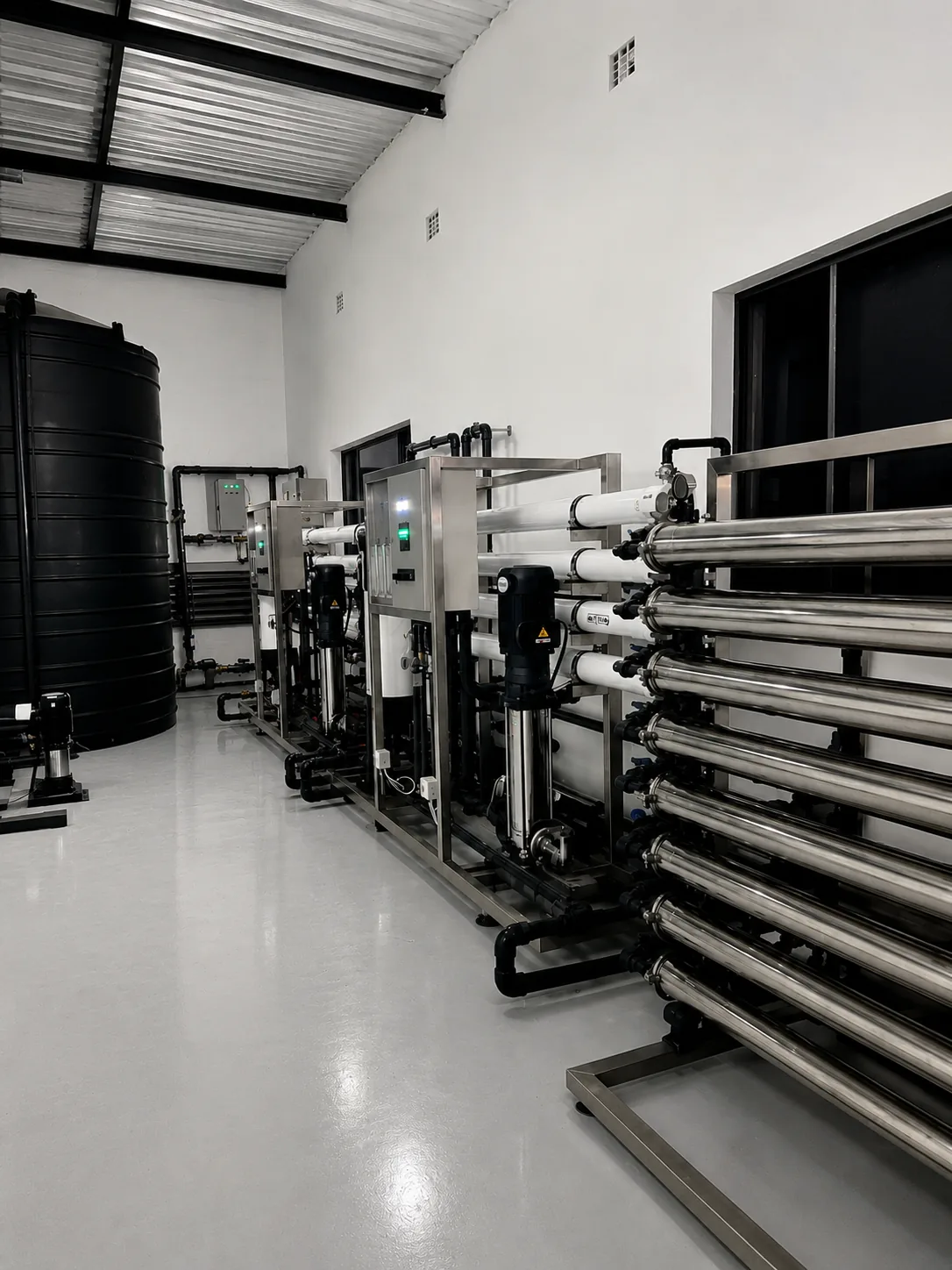
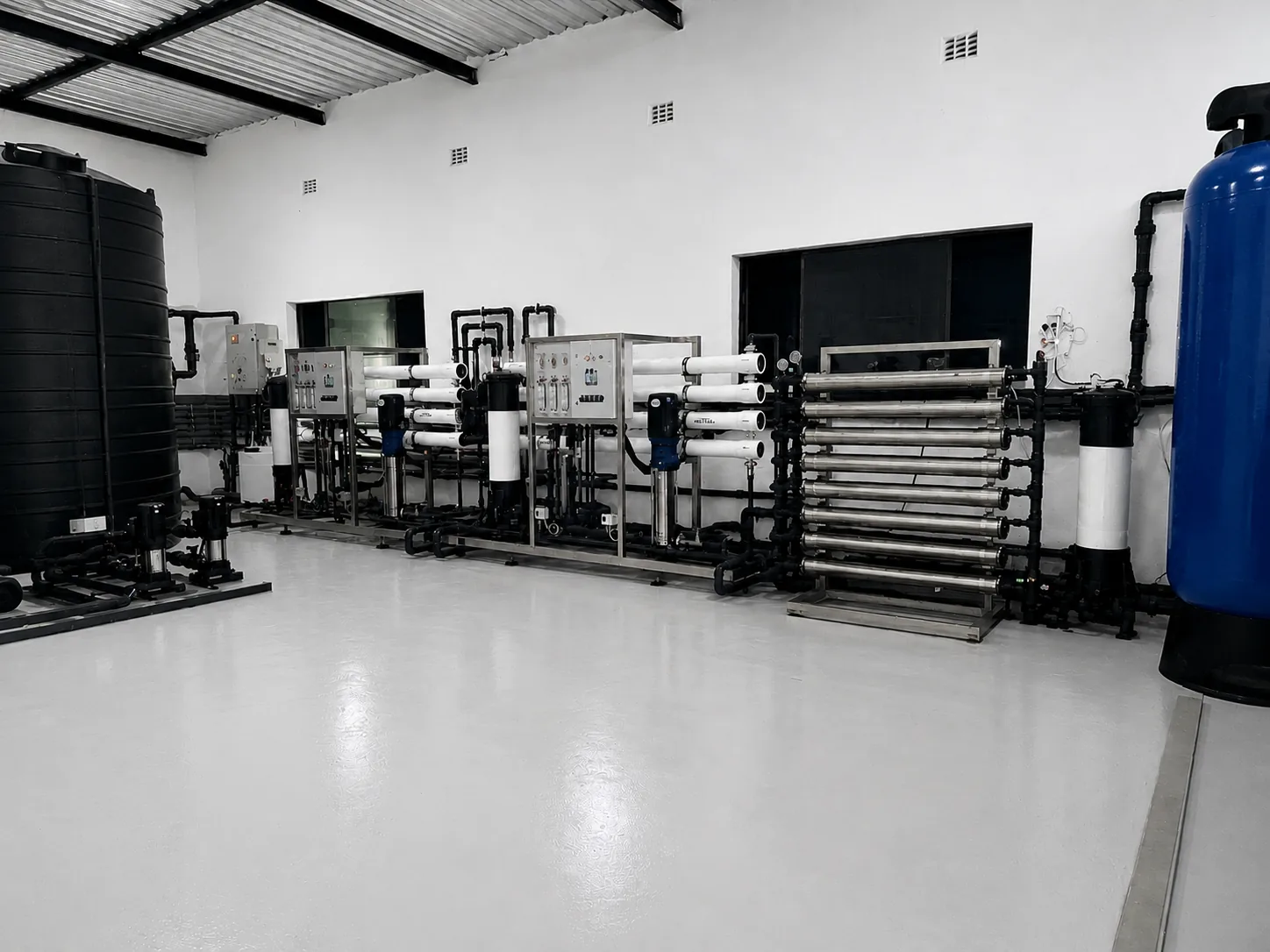
Modern lodge pool plant rooms now run AFM® (activated filter media) instead of sand — a sub-micron filtration with a longer life, less backwash water, and reduced chlorine demand (Cresta, 2019). Coupled with UV-C as a secondary disinfection, the chlorine residual can sit at the low end of the band without losing biocidal margin. The chemistry is calmer, the smell is gone, and the operator's daily test is a 90-second exercise rather than a 20-minute ritual.