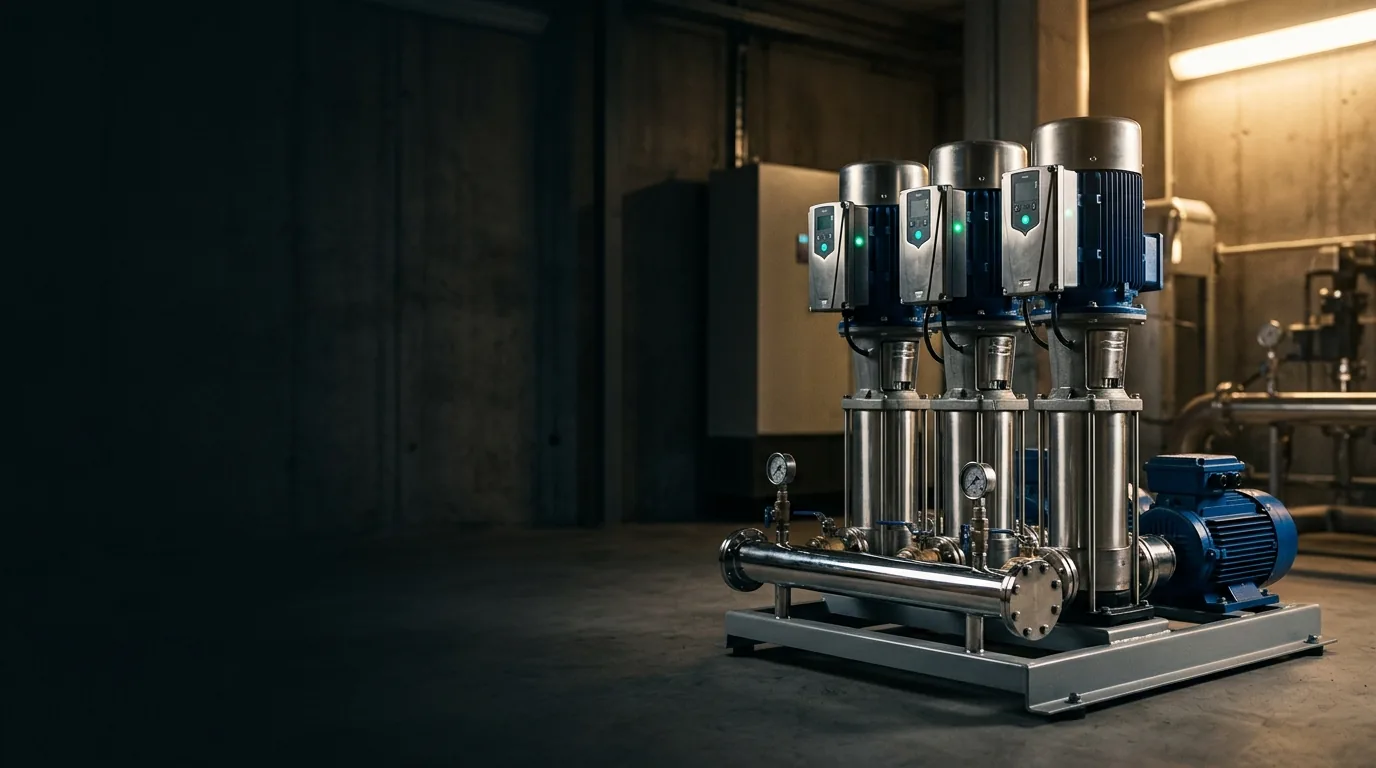
Pumps & Pressure Systems
Ultra-quiet, high-pressure delivery engineered for remote and demanding sites.
A pump on its own is a commodity. A pressure system is an engineered thing. On a lodge, an estate or a hospital, it is what the guest, the patient and the kitchen actually feel. A five-star shower is a pressure calculation before it is a plumbing decision.
The technologies
we deploy.
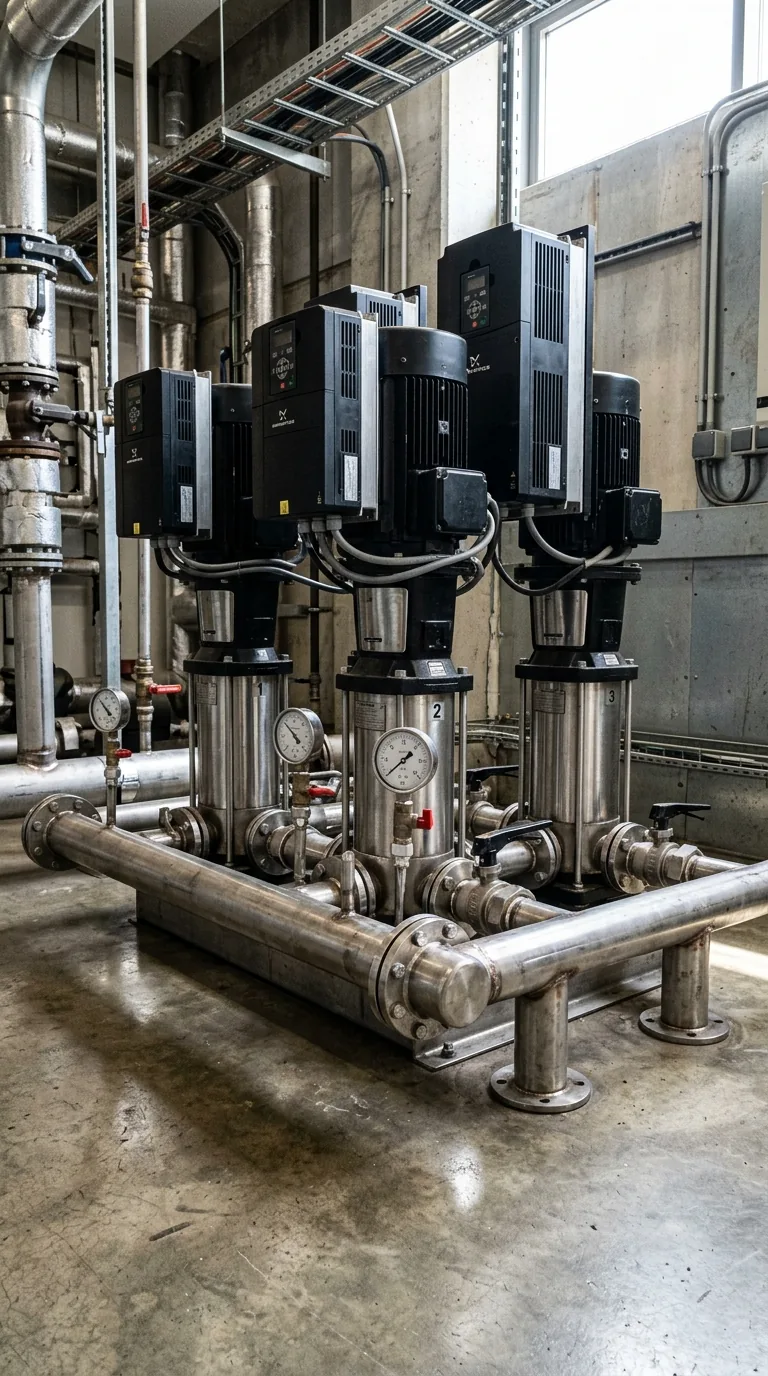
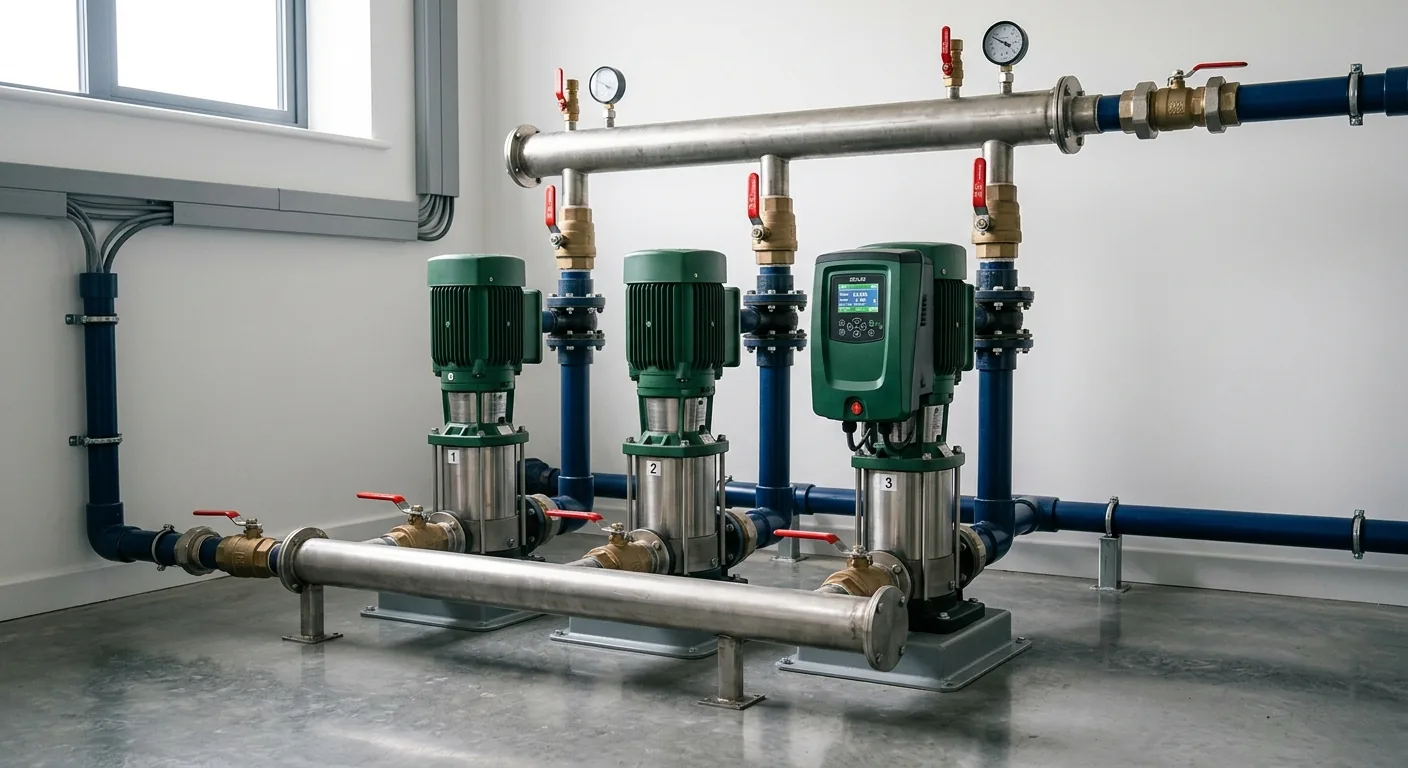
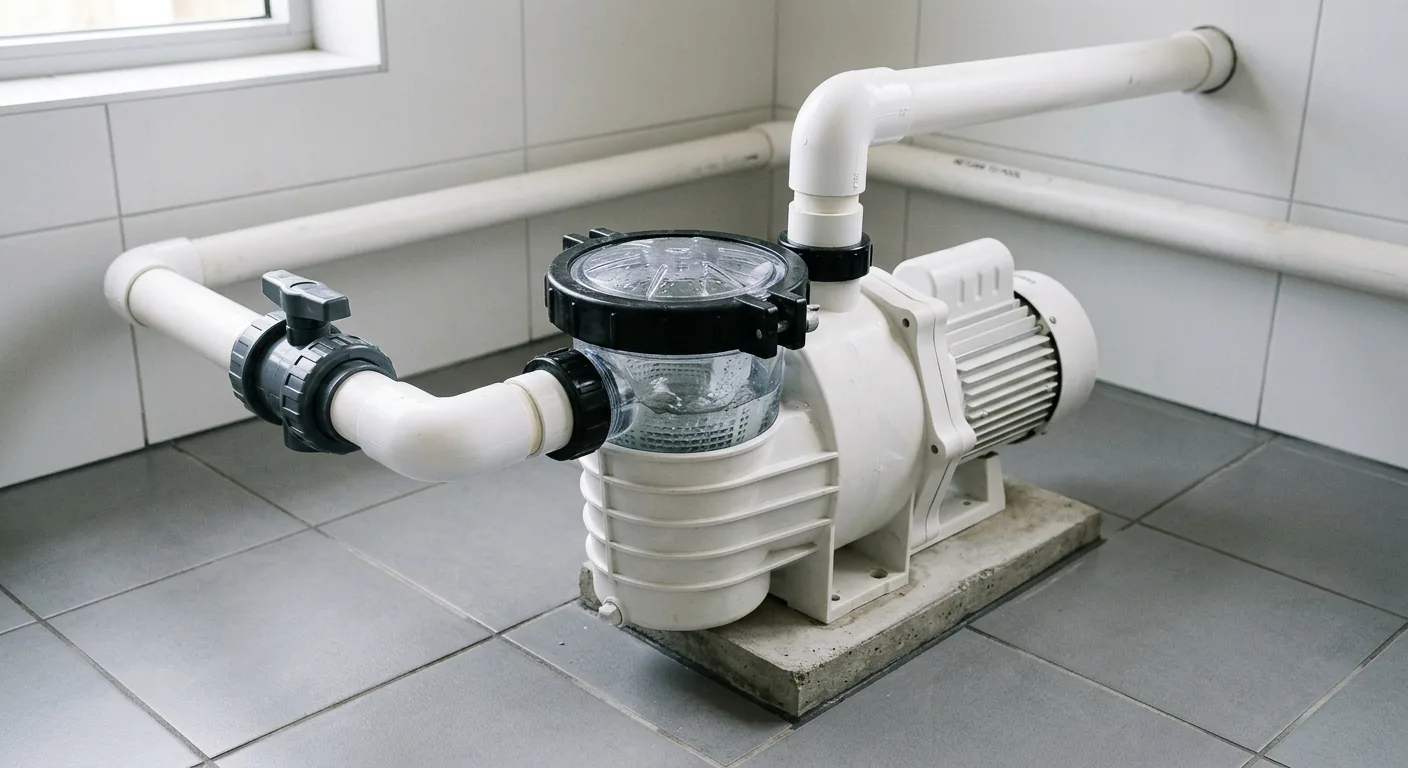
Quiet-running, VSD-controlled circulation engineered for filter dwell-time, not just nominal turnover.
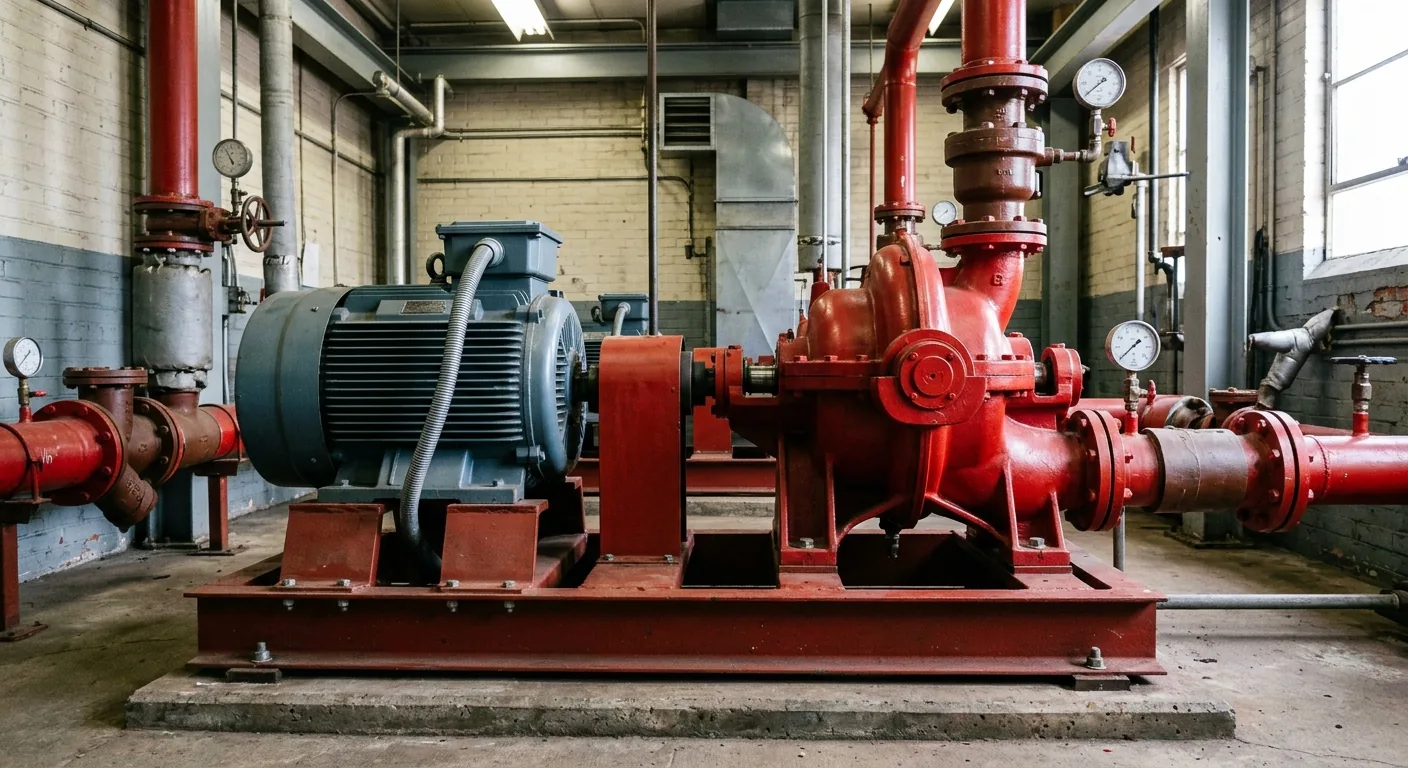
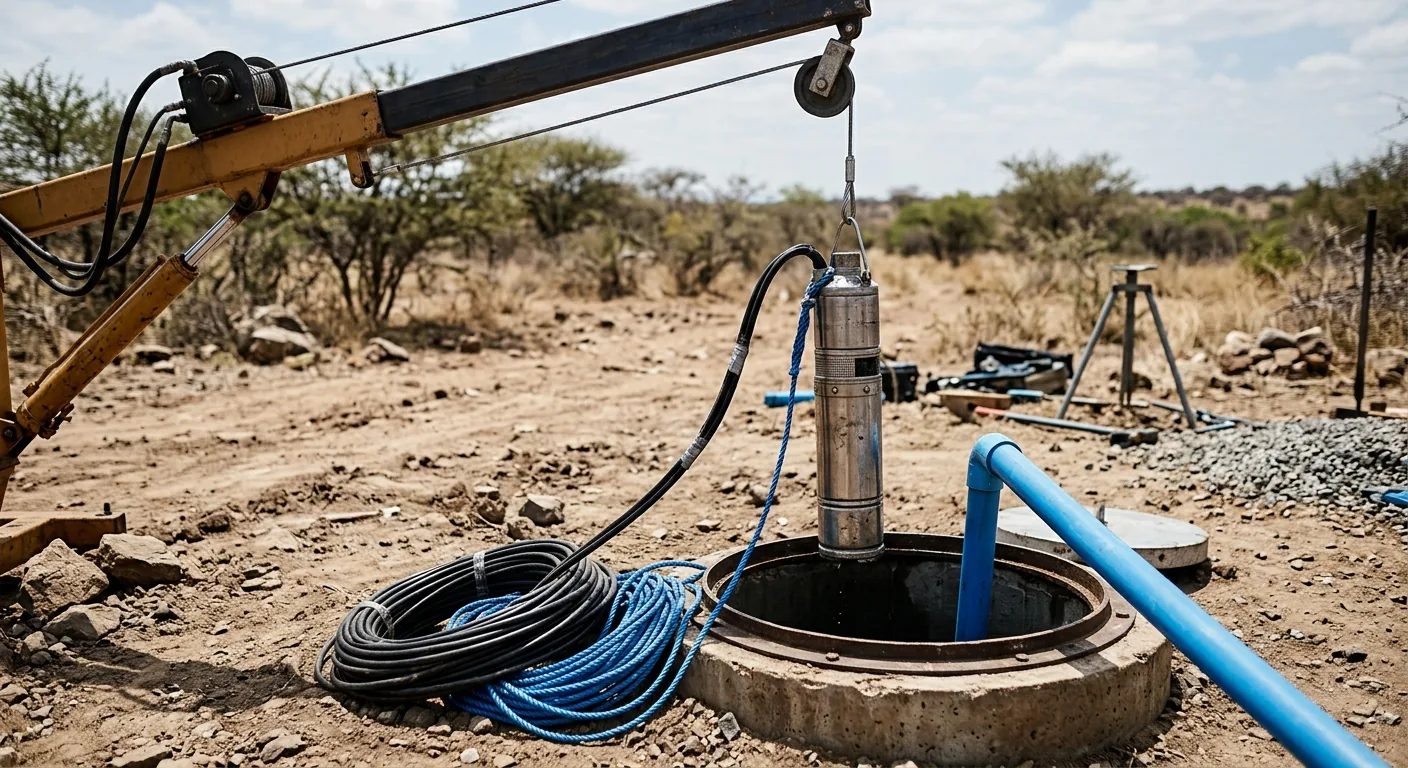
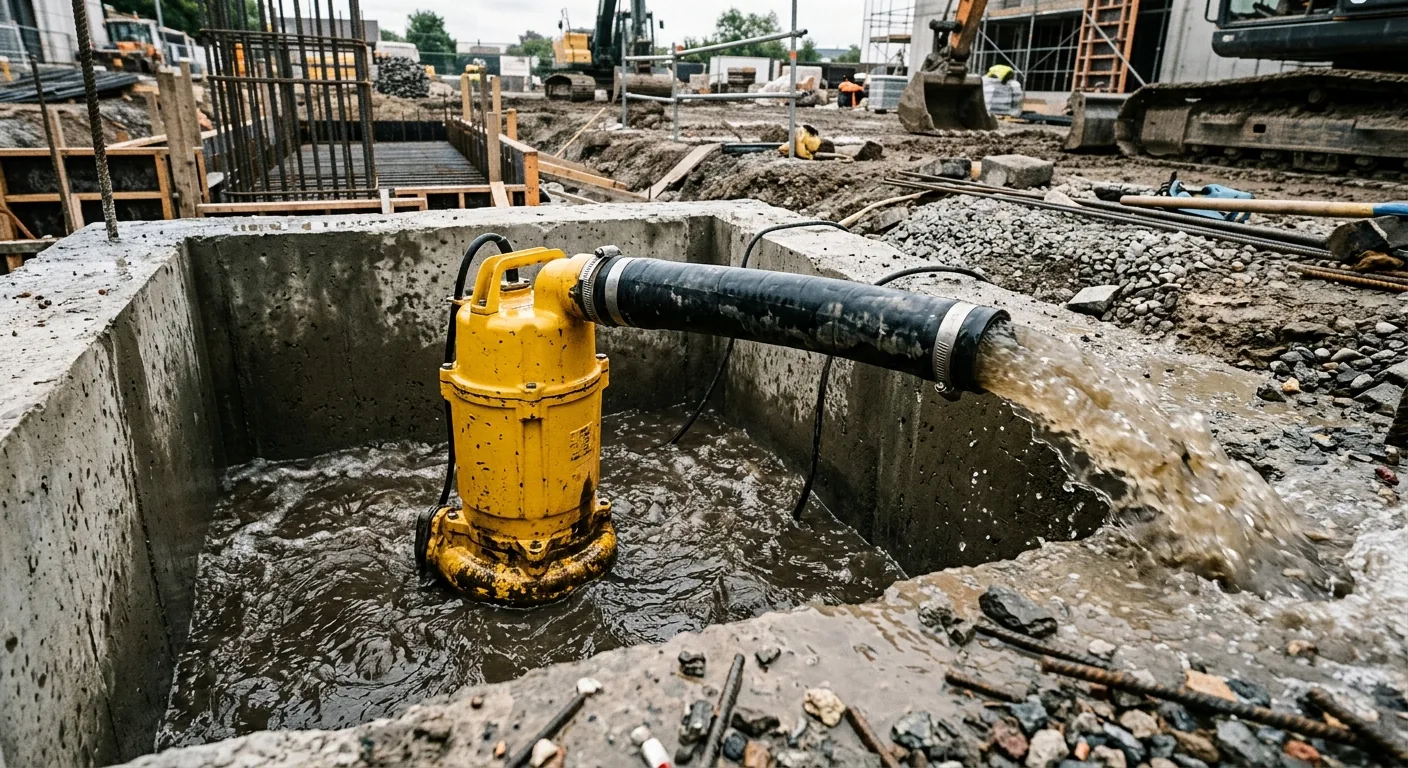
Sump, dewatering and storm-water pumping where civils and water meet. Right-sized for real storms, not nominal rainfall.
Pressure-managed irrigation supply that protects emitters and emitters' uniformity across the site.
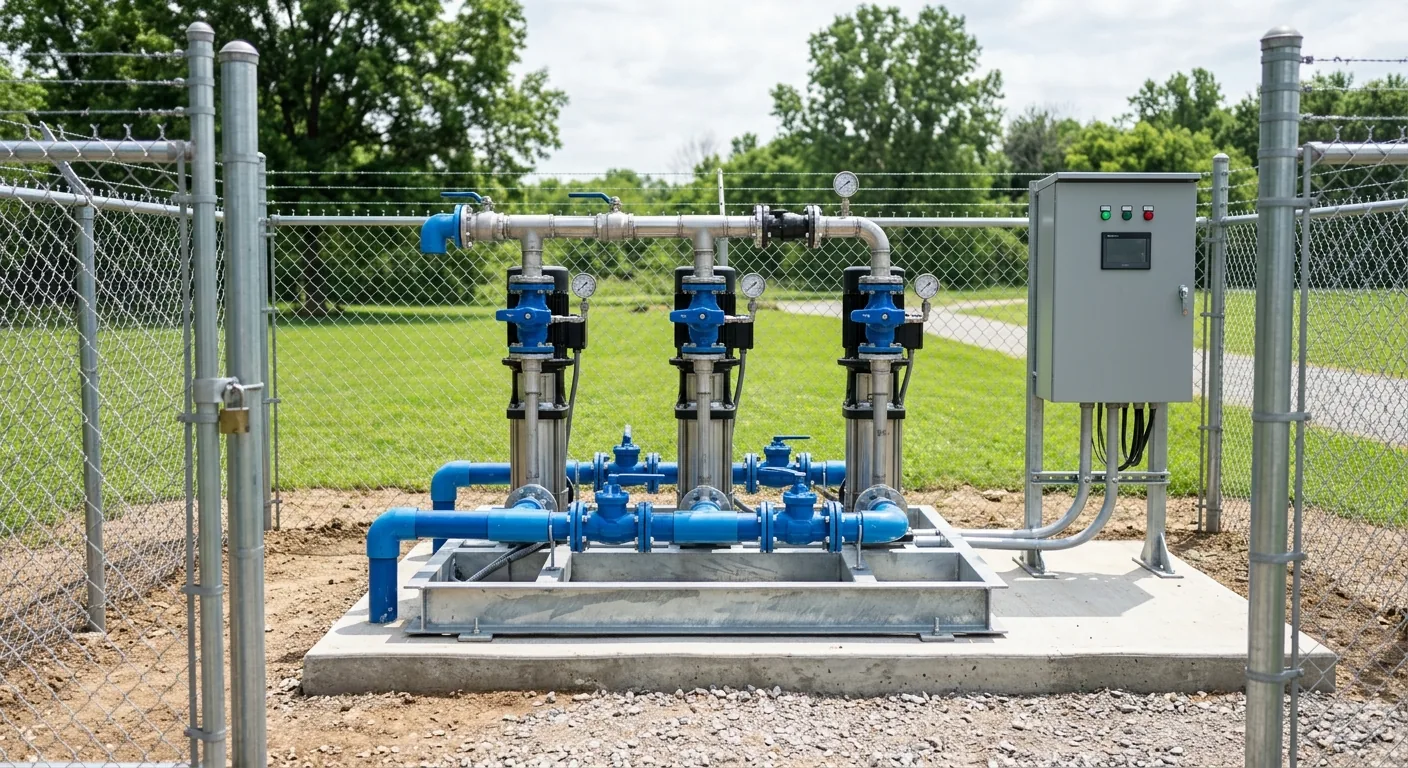
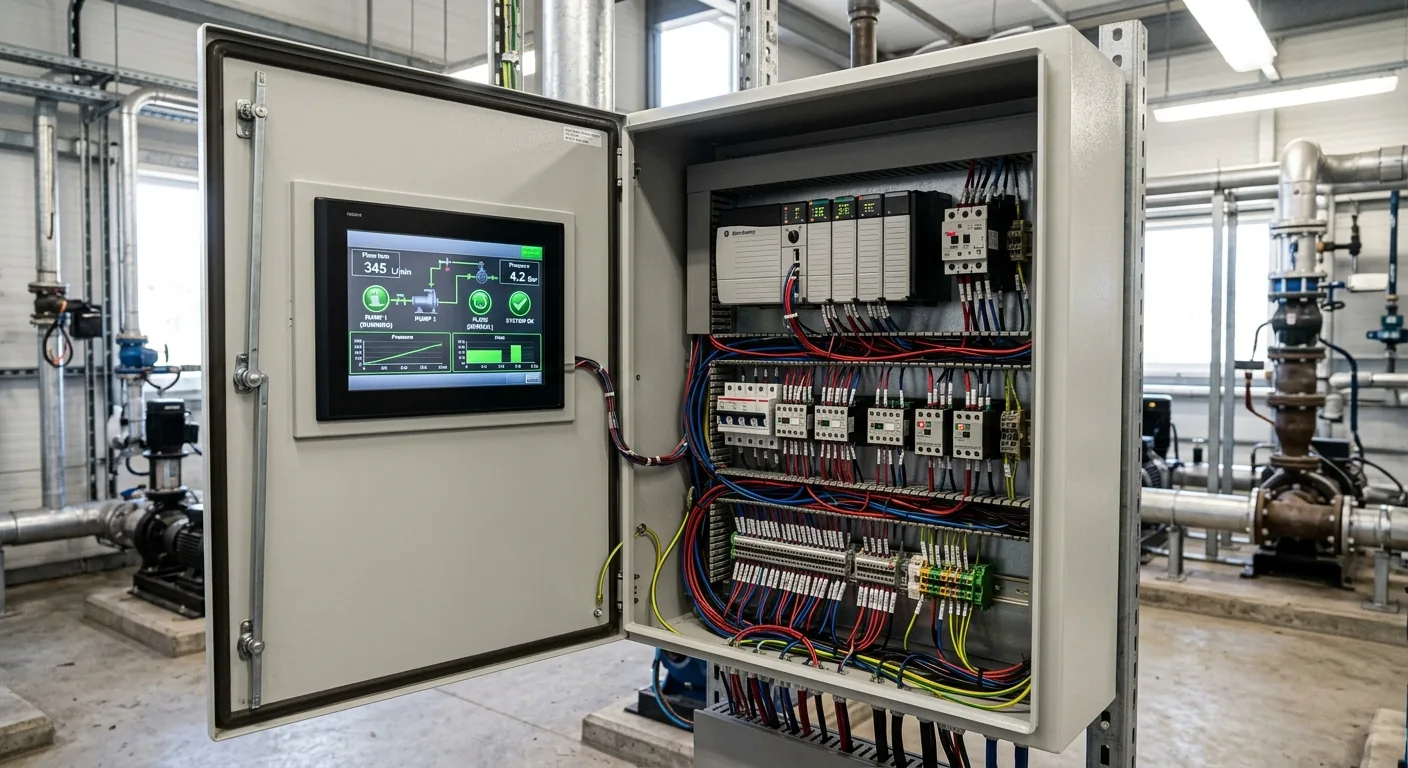
Every set integrates with the building or estate management — alerts, pressure trends, vibration monitoring, predictive failure.
What you get
when signing with us.
We design pressure sets against your real demand profile — peak occupancy, irrigation overlap, fire reserve. Not against a catalogue page.
≤55 dBA at 1 m on every standard VSD set. Guests do not hear the pump room. They hear the bushveld.
Primary + standby + automatic fail-over in under 30 seconds, sized so the standby alone holds peak.
When something does fail, the service agreement names a written on-site response window — measured at the alarm timestamp, with automatic service credits if missed.
Buyer's guide.
The questions every commercial buyer should put on the table before signing for a water system. Can't see yours? Send us a brief — a HidroVerse specialist replies within one business day.
Yes — we maintain a current reference list of lodges, estates and commercial sites running our pressure systems, organised by scale and complexity. We'll match references to your specific brief so the conversation is genuinely useful.
We build a demand profile from your occupancy curves, irrigation overlap, fire-reserve requirement and the worst-credible-coincidence (every shower, every kitchen, every irrigation zone). The pump is then specified against that profile — including headroom — not against the brochure flow rate.
On every critical-line specification, yes. The duty/standby pair, the auto-changeover panel and the alarm interface are part of the base design — not an upsell. If you ever receive a quote without a standby on a critical line, ask the supplier why.
Our standard VSD pressure sets are specified to ≤55 dBA at 1 m; with acoustic hoods we drop into the mid-40s. We'll publish the measured number on commissioning sign-off, not the manufacturer's brochure figure.
We engineer either a UPS-backed change-over to a generator circuit, or a pressurised storage buffer (calculated against your minimum acceptable supply hours), or both. The brief decides the depth of resilience — we don't sell a single answer.
VSD (variable-speed drive) pumps modulate output to match demand — they don't cycle hard on/off. Result: 28–42% energy savings, 2–3x longer bearing life, and far quieter guest experience.
Standard VSD sets run below 55 dBA at 1m (normal conversation). Premium installs with acoustic hoods drop to the mid-40s.
Yes — we can retrofit a standby pump with automatic fail-over. Typical retrofit takes 1–2 days.
We size pressurised storage tanks (and where the head profile allows, gravity reservoirs) for 4–8 hours of supply at the last outlet. On critical sites we add UPS-backed control logic and a diesel-generator changeover so the pressure set re-energises automatically.
Yes — we service anything that moves water. Our care plans cover Grundfos, DAB, wilo, Leo, TESK and most other major brands.