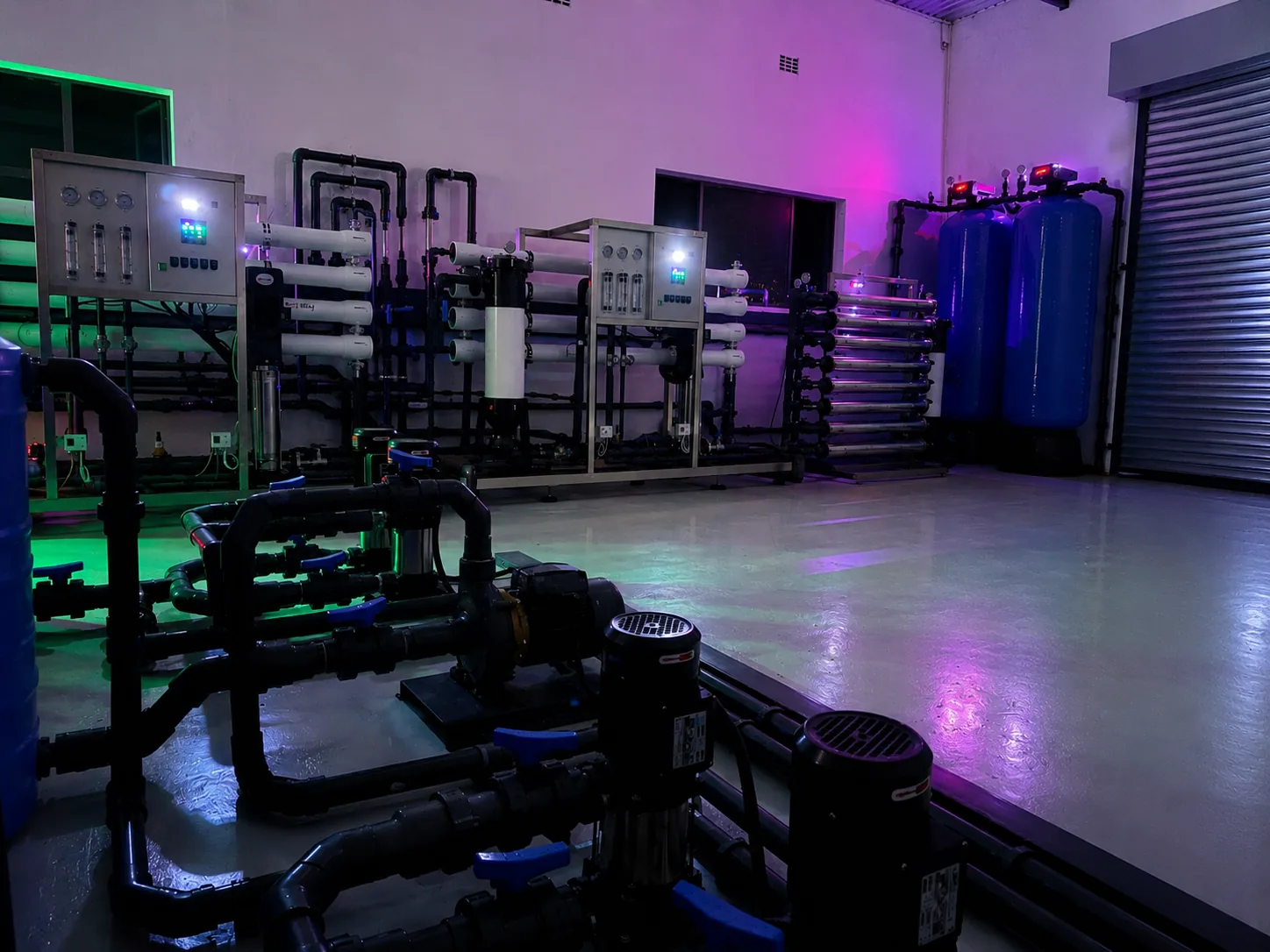
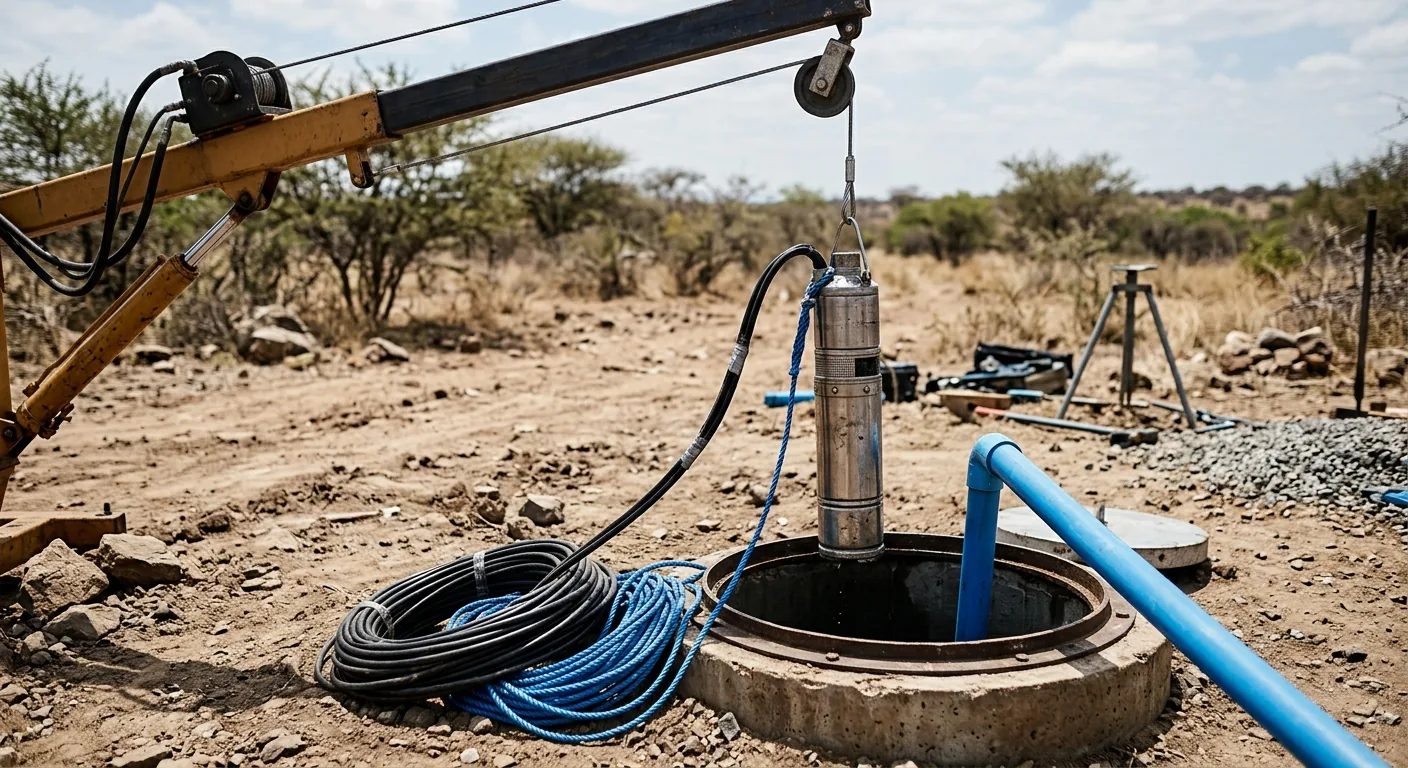
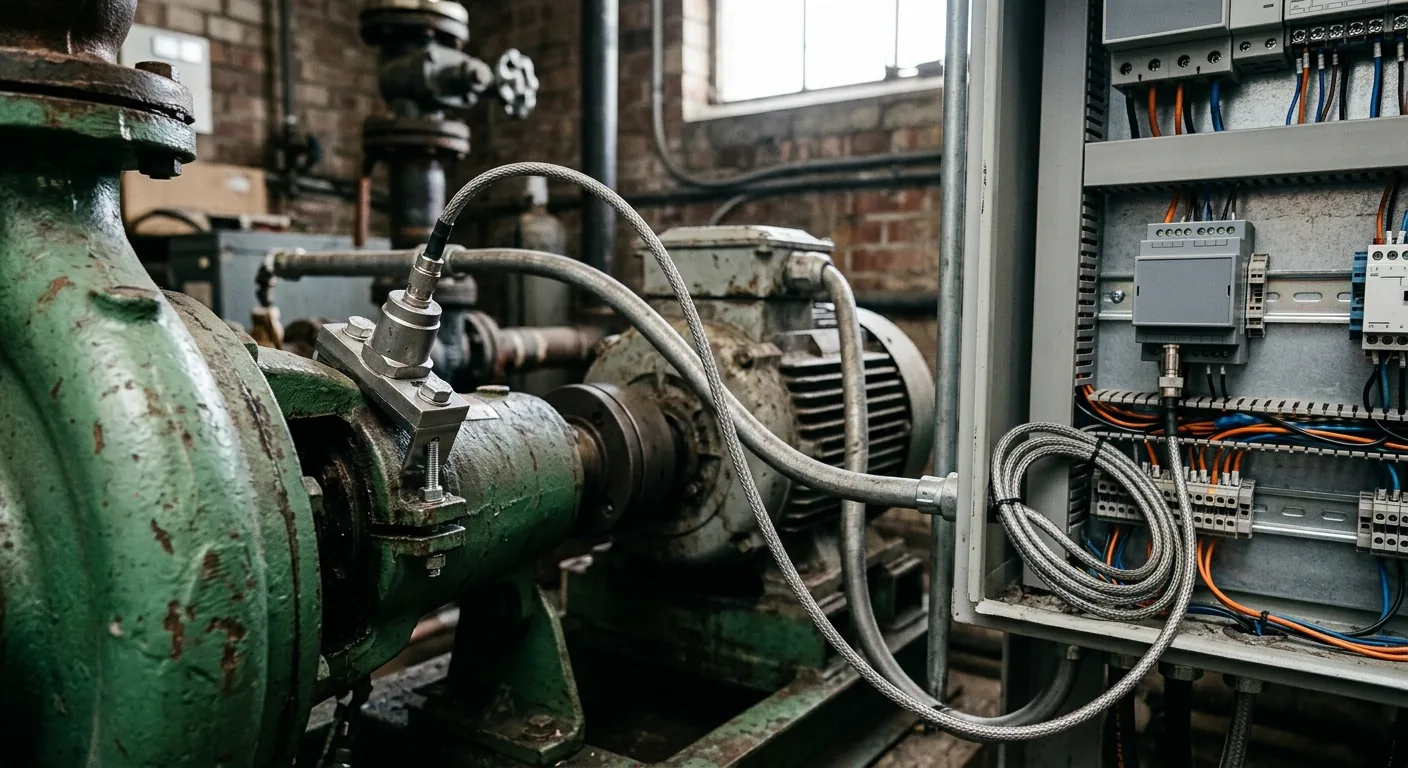
Per-villa water billing on a residential estate is a governance problem disguised as a metering problem. The technical layer matters — but it matters in service of the question the trustee actually has to answer at the AGM: "How do I prove to villa 32 that the 47 m³ on her account is real?"
The technology that wins
Three meter classes are common on estates. Mechanical (single-jet or multi-jet) is the legacy default — cheap, replaceable, but loses accuracy below ~30 L/h and drifts over 5–7 years. Electromagnetic is high-accuracy but only justified on the bulk feed line, not at every villa. Ultrasonic battery-powered meters with built-in radio (Itron, Diehl, Kamstrup, Sensus) are the modern default for residential sub-metering: ±2% accuracy across the dynamic range, no moving parts, 10–16 year battery life, and a meter-reading event every 15 minutes pushed to a base station (Arregui et al., 2018).
The capital cost difference between the legacy approach and the ultrasonic telemetered approach has narrowed to ~R1,800–R3,200 per villa point in 2026. The operational cost difference is much larger: legacy meters require manual reads, transcription, billing-day disputes; telemetered meters generate billing exports automatically and produce a 90-day trend graph the trustee can email to villa 32 inside two minutes.
The governance layer
- Annual calibration certificate against SANS 1529-1. Without it, the meter reading is not legally enforceable.
- Single point of zero — every meter zeroed at install commissioning, on the same day, with photographic record.
- Bulk-vs-sum reconciliation monthly. If the bulk meter reads more than the sum of villa meters, the difference is "estate water" (irrigation, plant losses, leaks). This number, tracked, is the leakage signal.
- A published dispute procedure. Villa raises query → 30-day window for meter swap-out and bench test → outcome on the AGM minutes. Disputes do not vanish; they are processed.
Estates that get this right turn water from the AGM's loudest agenda item into its quietest. The maths is auditable, the trend is shared, and the trustee no longer needs to be a hydraulic engineer to defend a bill.