"The borehole is free water." A statement made by every lodge owner in the first decade of operation and revised by most in the second. The water is free in the sense that the cubic-metre is not metered by a utility. It is not free in the sense of operational cost.
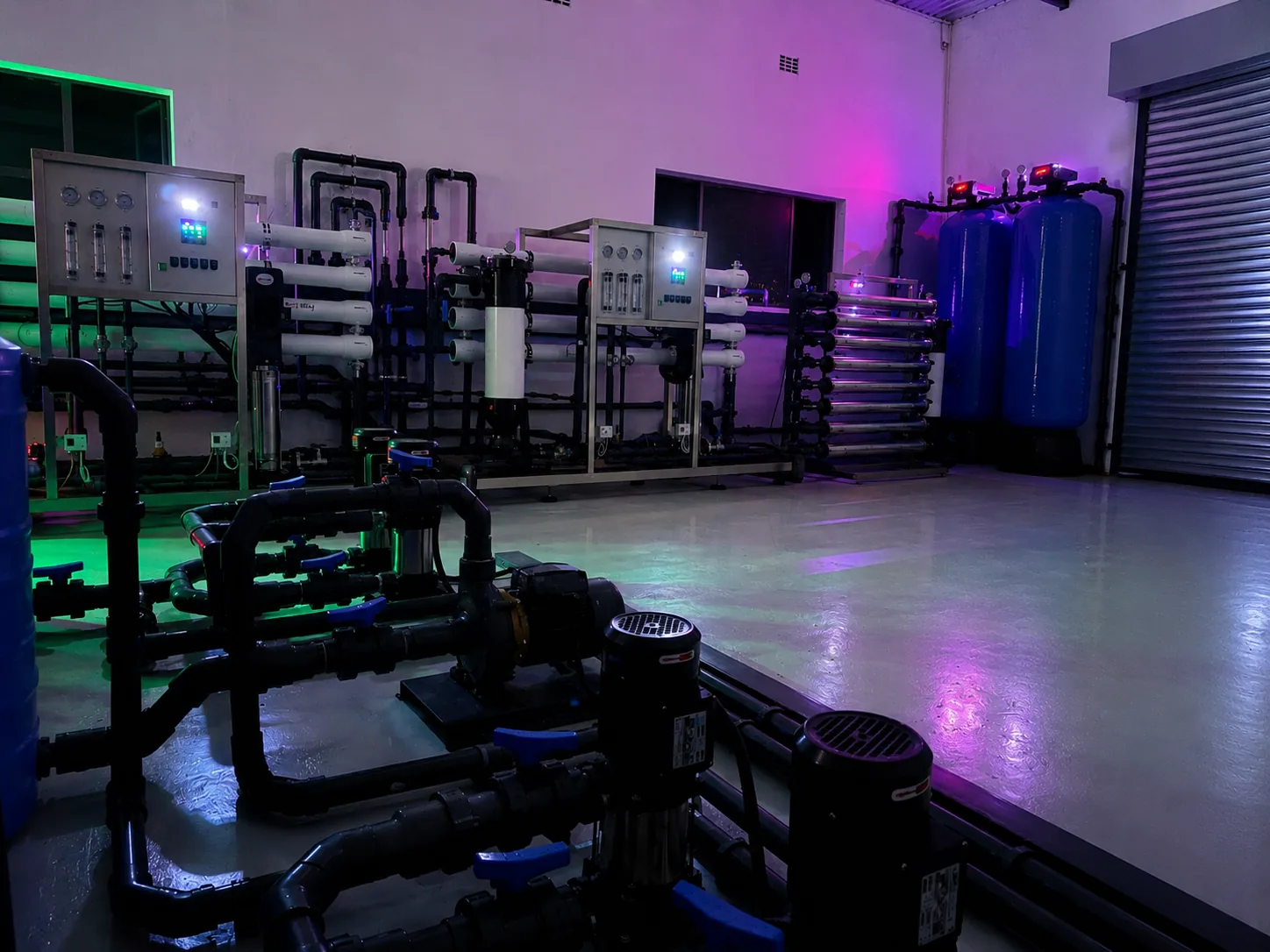
Across the Lowveld lodge fleet we run, the all-in cost of delivering one cubic metre of SANS 241-compliant potable water from a borehole sits between R28 and R52, depending on source chemistry, pump head and energy mix. The components:
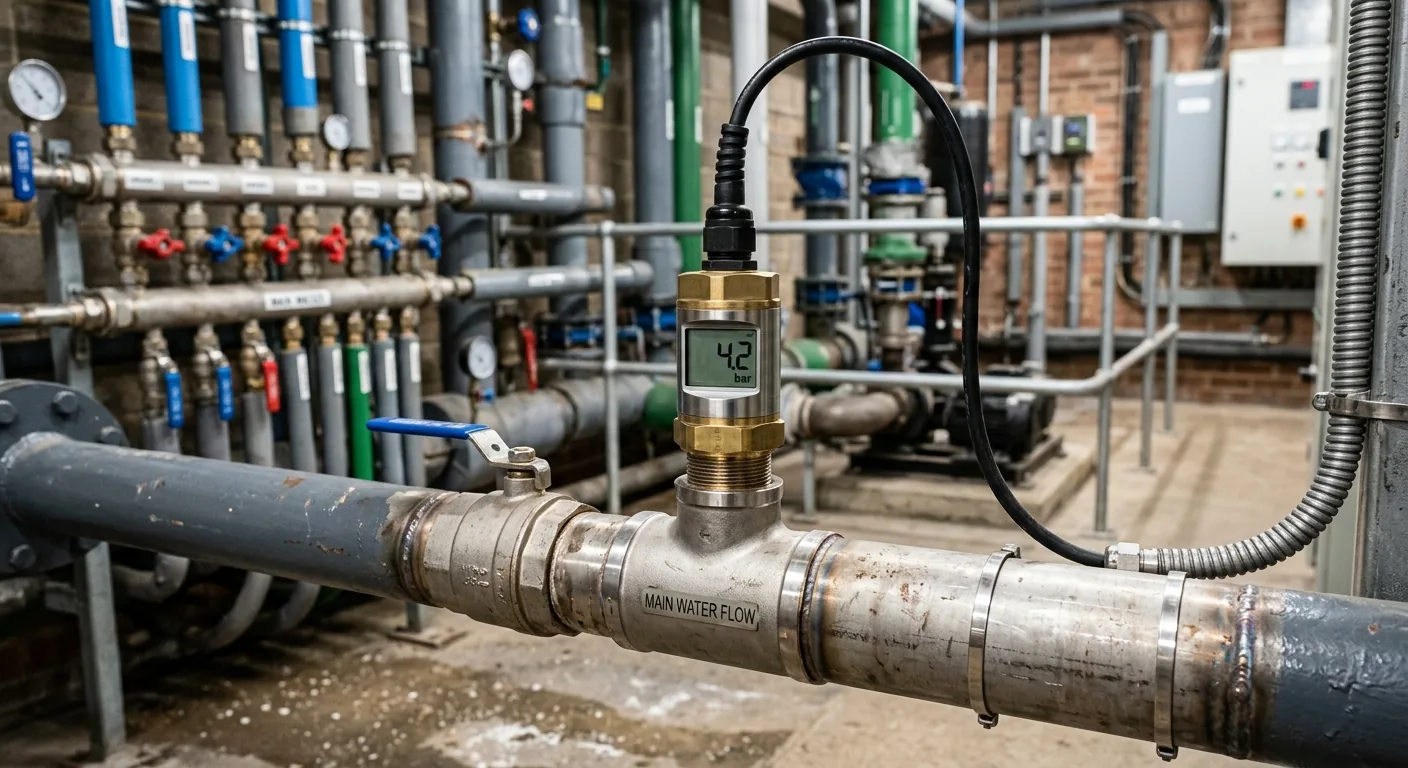
- Energy — submersible + booster + treatment pumping typically 1.4–2.6 kWh/m³ at ~R2.40/kWh = R3.36–R6.24/m³.
- Treatment consumables — pre-filter media, membranes amortised, UV lamps, antiscalant: R4–R9/m³.
- Compliance sampling — monthly SANAS pack + annual full panel: typically R1.20–R2.00/m³ on a 12 m³/day site.
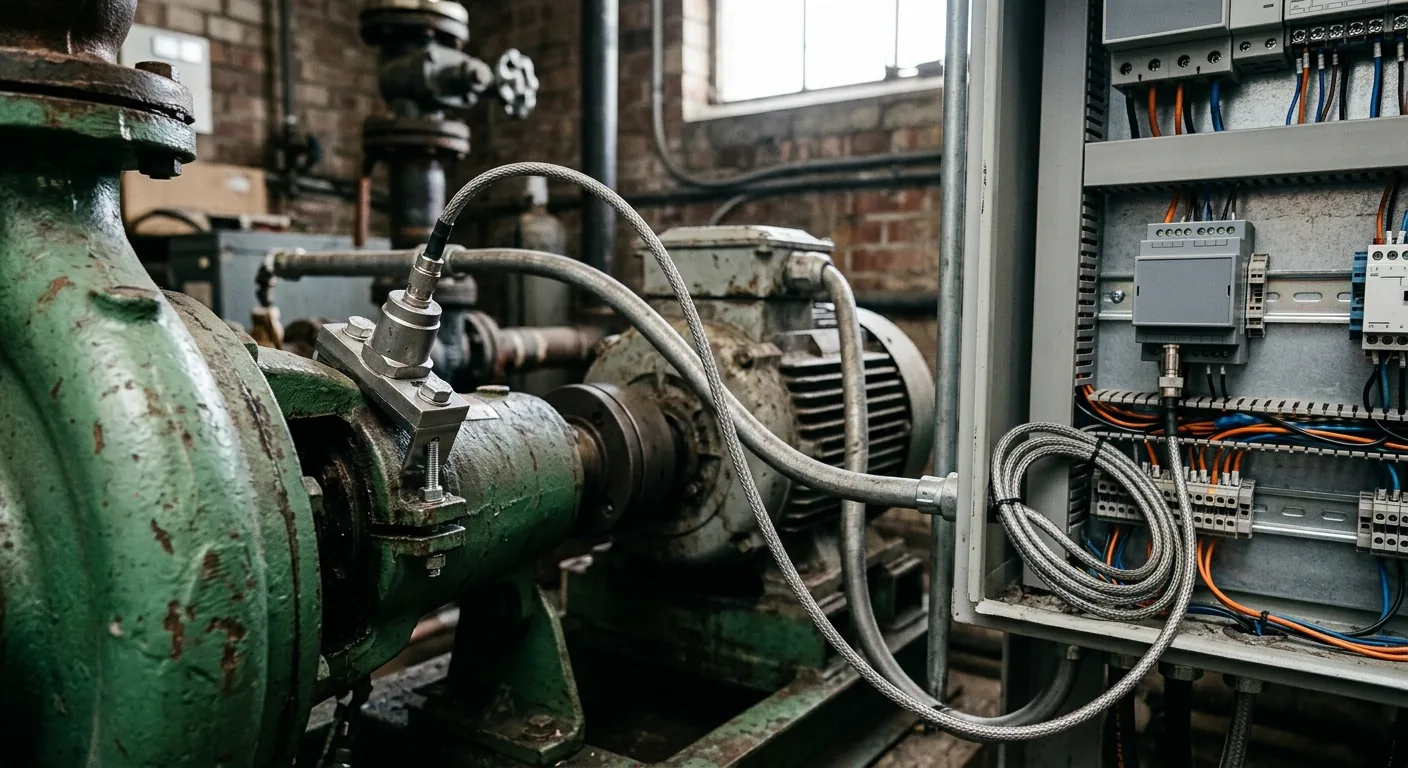
- Service & spares — pump rotations, membrane CIP, telemetry: R3–R6/m³.
- Depreciation — plant CapEx amortised over 12 years: R12–R25/m³.
A nearby Mpumalanga municipal connection, where one exists, costs R29.41/m³ in 2025 stepped tariff (City of Mbombela, 2025). The borehole is not cheaper by an order of magnitude. It is roughly the same — sometimes more, depending on what you are willing to compromise on.
So why use a borehole at all?
Three reasons remain valid: (1) the municipal connection does not exist or is unreliable; (2) the site's brand promise demands abstracted, locally-treated water; (3) the borehole is the lowest-risk source against drought and load-shedding when paired with solar PV and 8-hour gravity reserve. None of the three reasons is "it's cheaper."
The conversation we have with new clients is not "borehole or municipal." It is "what is the resilience strategy for this site, what is the brand position, and what is the all-in cost of each path over the next 12 years." The answer is usually a hybrid — borehole-primary with a municipal backup on a manual changeover — sized against a SANS 10299-4 sustainable yield, not a drilling-day figure.
Free water is a useful slogan. It is not a budget line.