The call comes at 22:40 on a Saturday. The presidential suite has no pressure, the kitchen is on the third dishwasher cycle, and the wedding deposit cleared three weeks ago. The previous water supplier — whose name appears on a 2021 invoice taped to the plant-room door — has stopped answering. The general manager is told, by morning, that "the borehole is failing."
It almost never is.
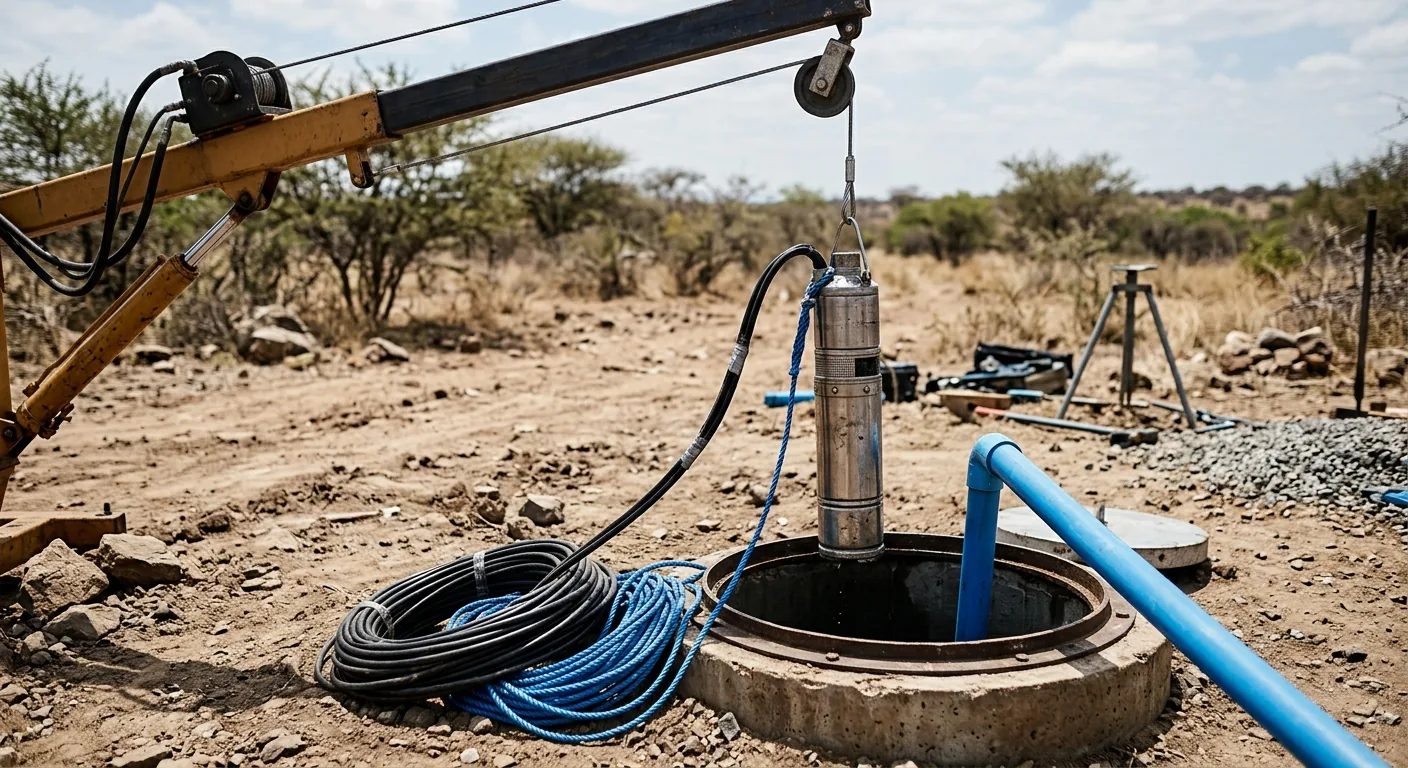
We have walked the plant room on dozens of lodges that arrived at HidroVerse this way. The pattern is the same nearly every time. The borehole was specified against its drilling-day yield — a 72-hour constant-rate test reading taken under near-perfect conditions and never derated for the long-term sustainable abstraction the aquifer actually supports. SANS 10299-4 calls this distinction out explicitly: the recommended long-term rate is typically 60–80% of the test rate, varying with transmissivity and recharge (DWS, 2019). The original supplier quoted against the higher number. The plant has been running on borrowed yield ever since.
Then there is the demand side. A 20-suite lodge averaging 12 m³/day looks small on a spreadsheet. The same lodge on a gala Saturday — full kitchen, full spa, presidential suite running two baths simultaneously — peaks at 4–6 m³/hour. If the borehole is rated to 2.5 m³/hour sustainable, and the reservoir was sized to daily average, the maths runs out before midnight. The borehole did not fail. The system was never going to make it through Saturday.
The fix is engineering, not drilling
- Re-test the borehole properly. SANAS-accredited hydrogeologist, 72-hour constant-rate test, long-term abstraction signed off in writing.
- Size storage to the peak-hour deficit. Four to eight hours of gravity-fed reserve at peak draw is the floor for luxury hospitality. Token pressure vessels are a 1990s solution.
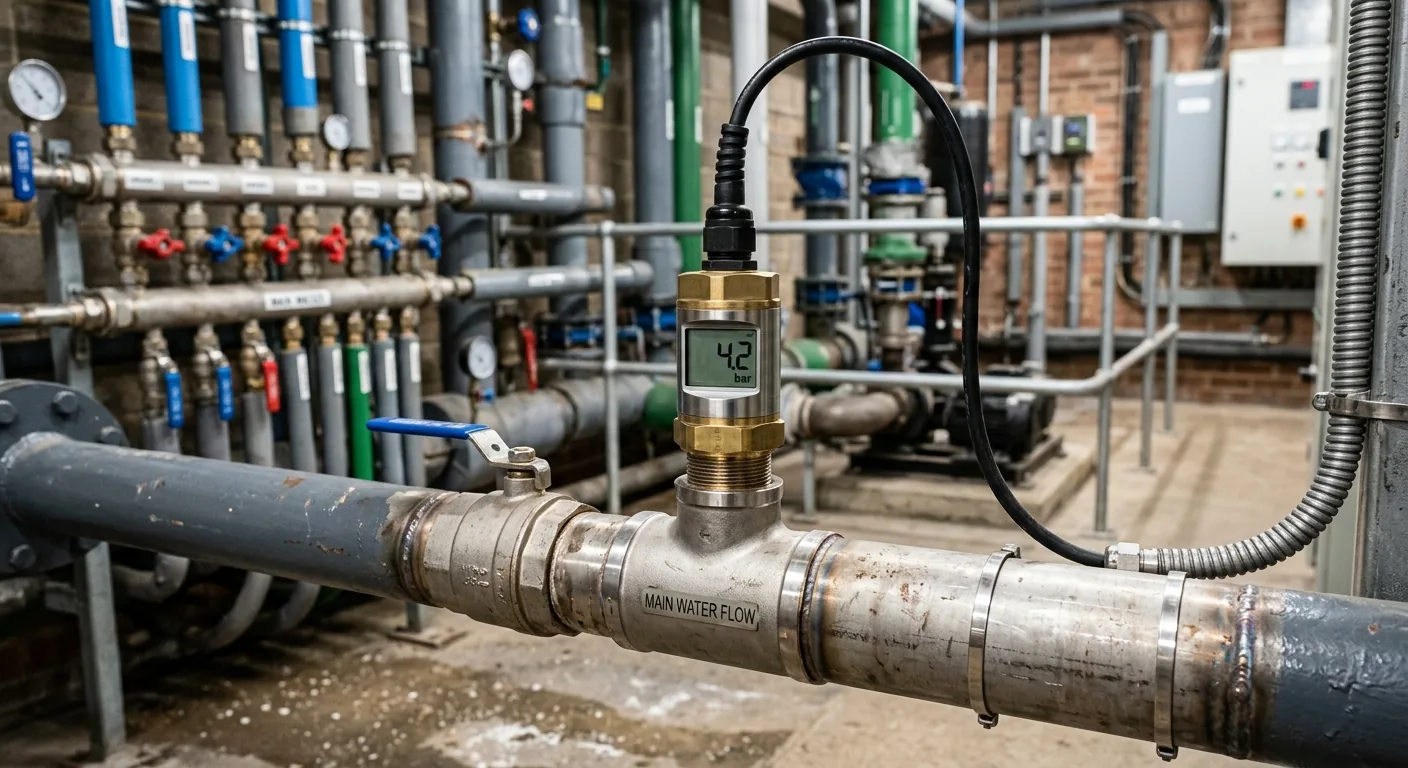
- Treat the water that comes out of the ground. Iron, manganese, hardness and silica must be measured before pre-treatment is specified. SANS 241:2015 is the outlet standard — getting there is site-specific (SABS, 2015).
A borehole that produced 8 L/s on test-day, and 4 L/s under operational draw three years later, is not a failed borehole. It is a correctly-behaving one, attached to an incorrectly-sized system. Replace the supplier, not the hole.