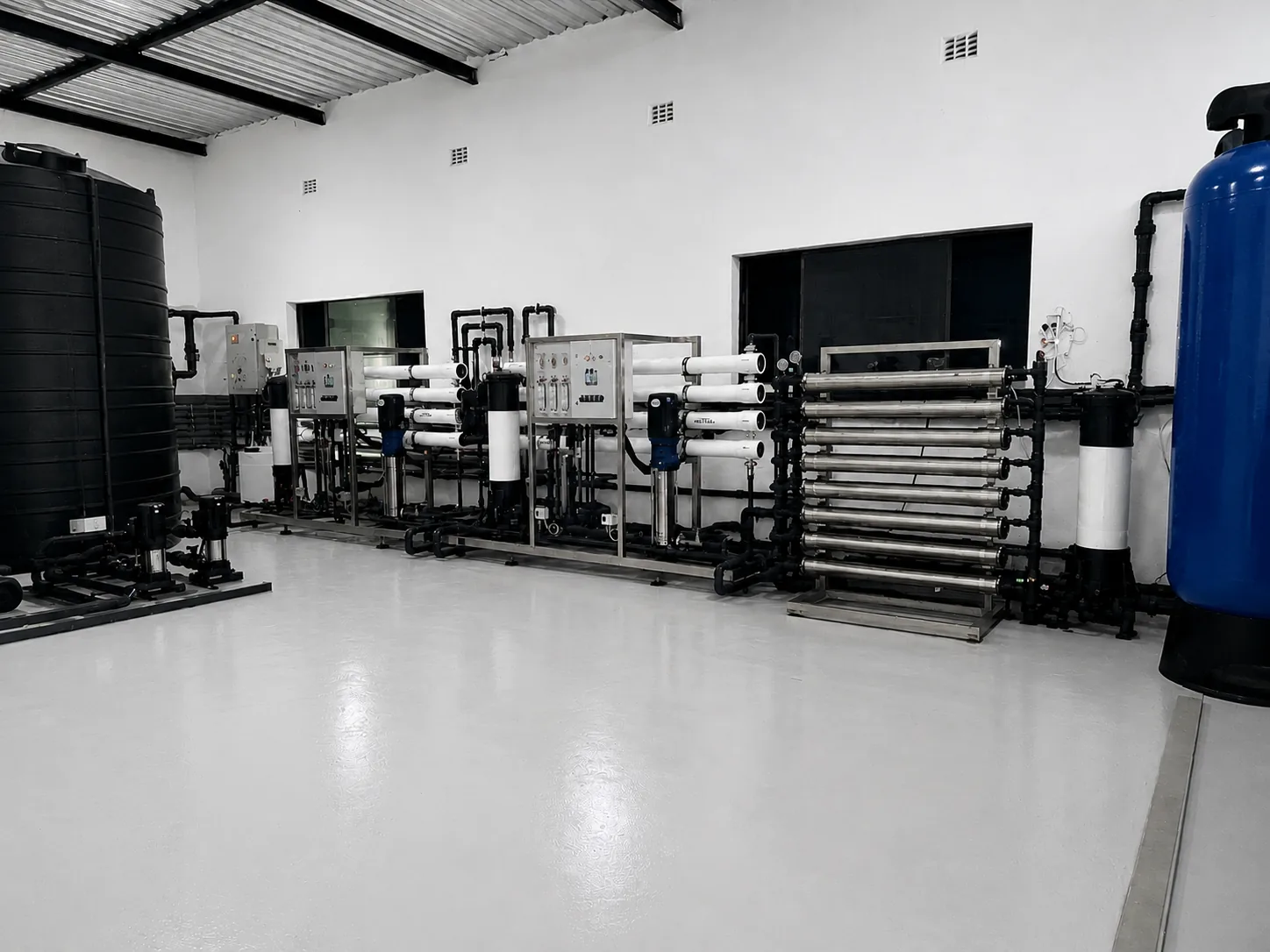
Water Purification
Precisely engineered purification systems, tailored to each water source's unique requirements.
Source water is seldom pure or ready to use without treatment. Boreholes can carry a wide range of contaminants — faecal coliforms and protozoan cysts such as Cryptosporidium and Giardia, alongside iron, manganese, fluoride, nitrate, and the calcium and magnesium hardness that scales every appliance downstream. Surface water adds turbidity, suspended solids and pathogen load that climbs sharply after rain; where the catchment touches mining or intensive agriculture, heavy metals such as lead, arsenic and cadmium enter the picture. Brackish aquifers add dissolved salts that no media bed will ever remove. We build specialised purification systems that meet SANS 241, designed against the same engineering standards the global water industry publishes — and the WHO drinking-water guidelines.
The technologies
we deploy.
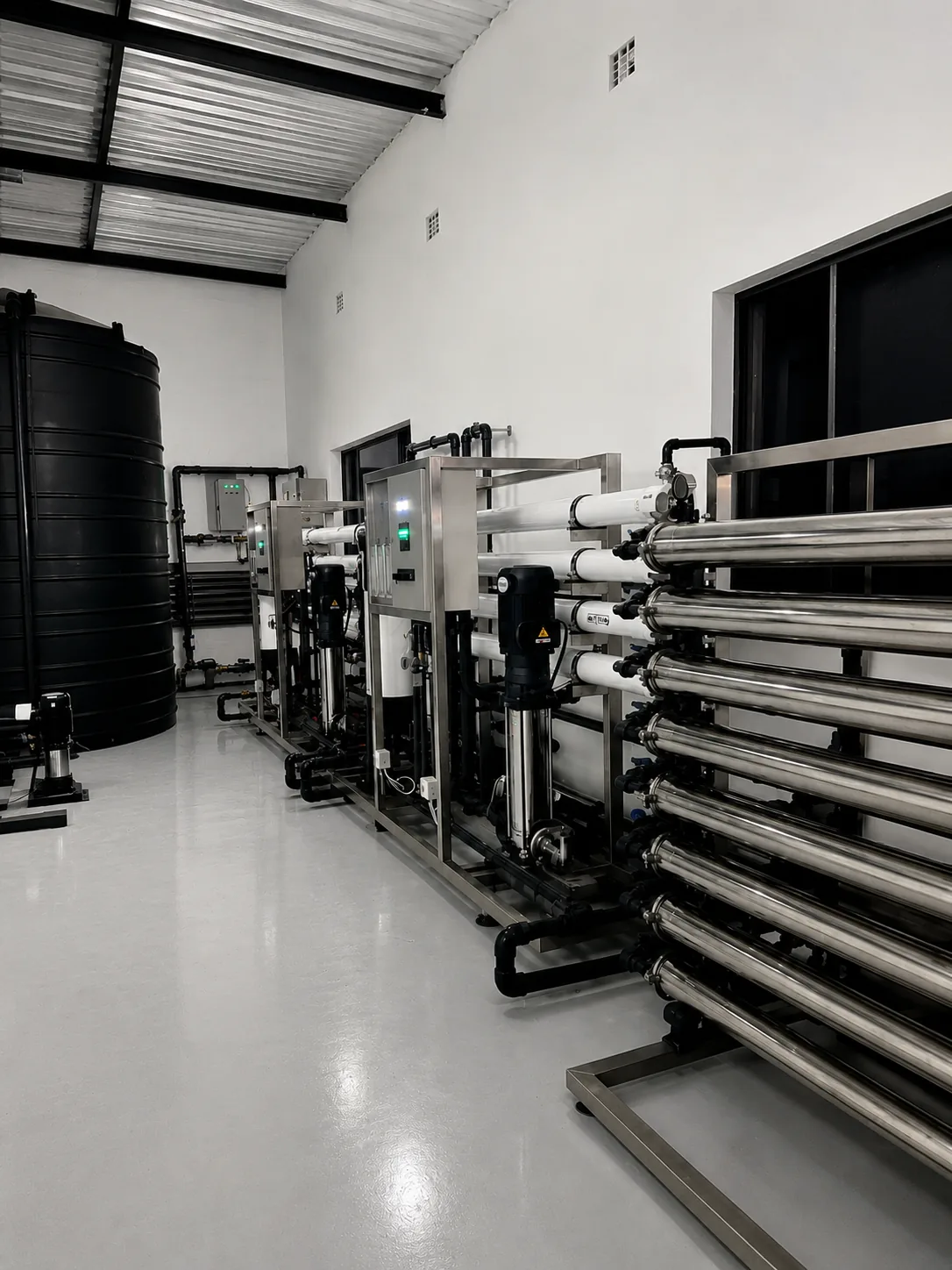
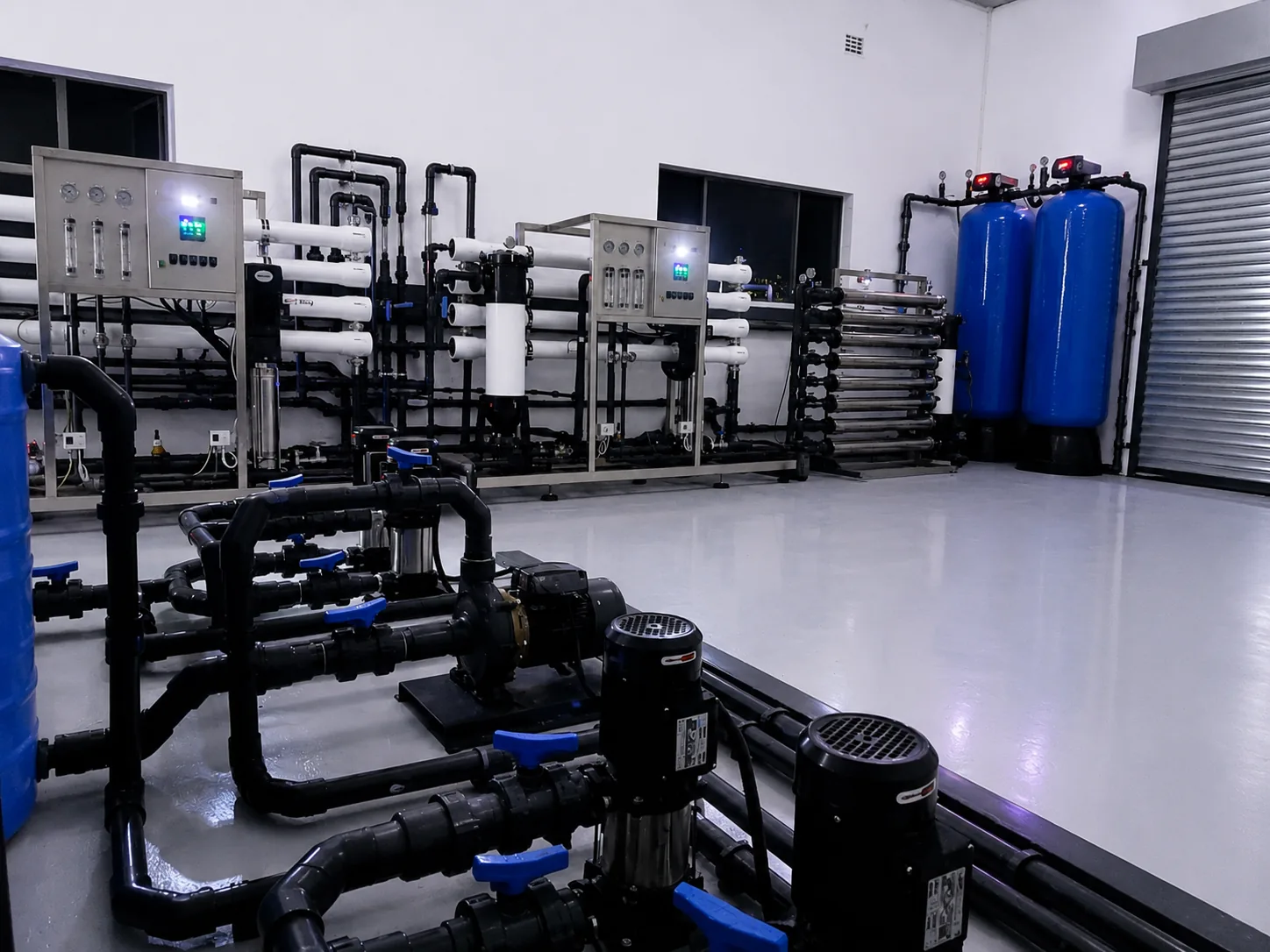
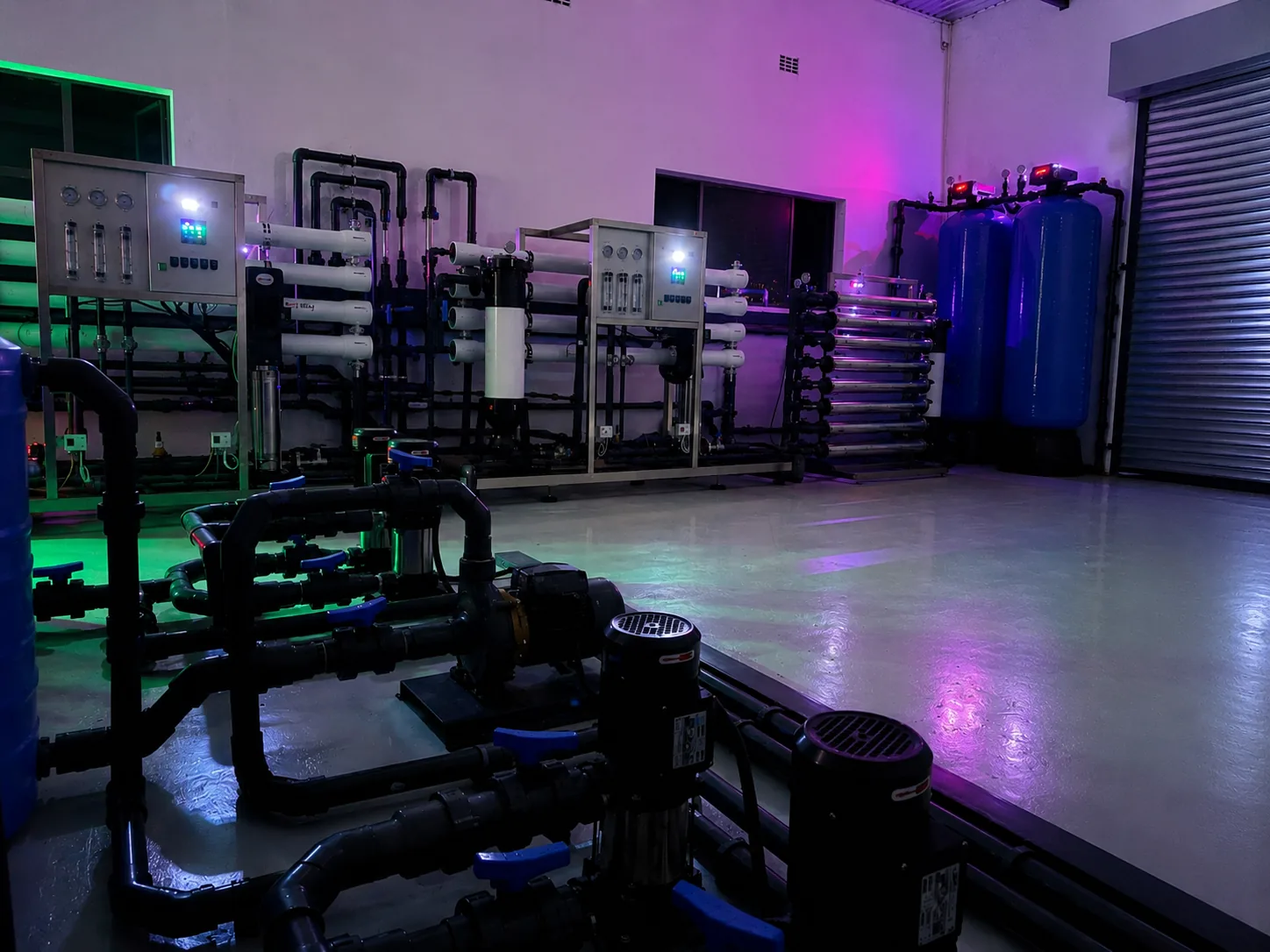
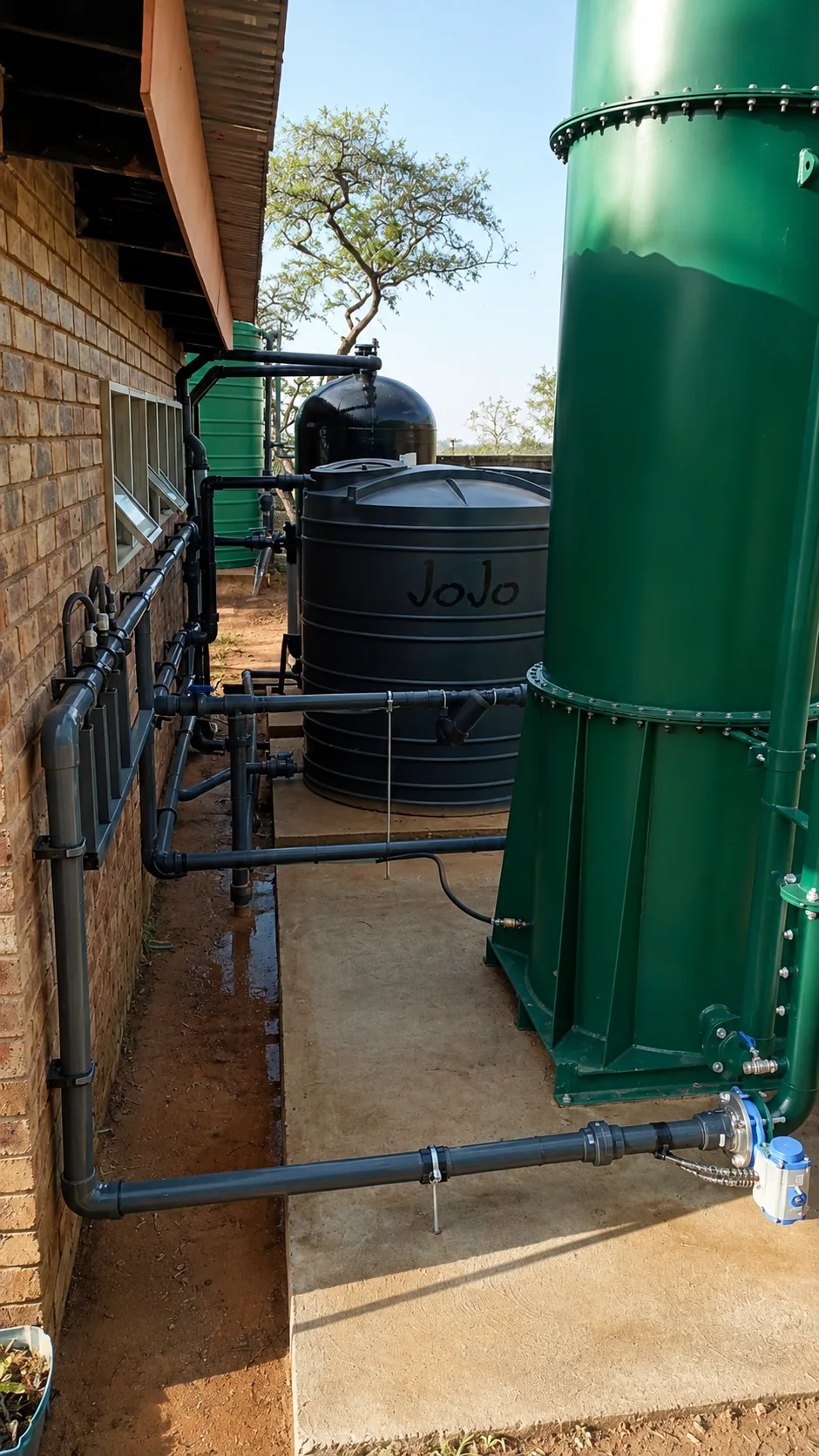
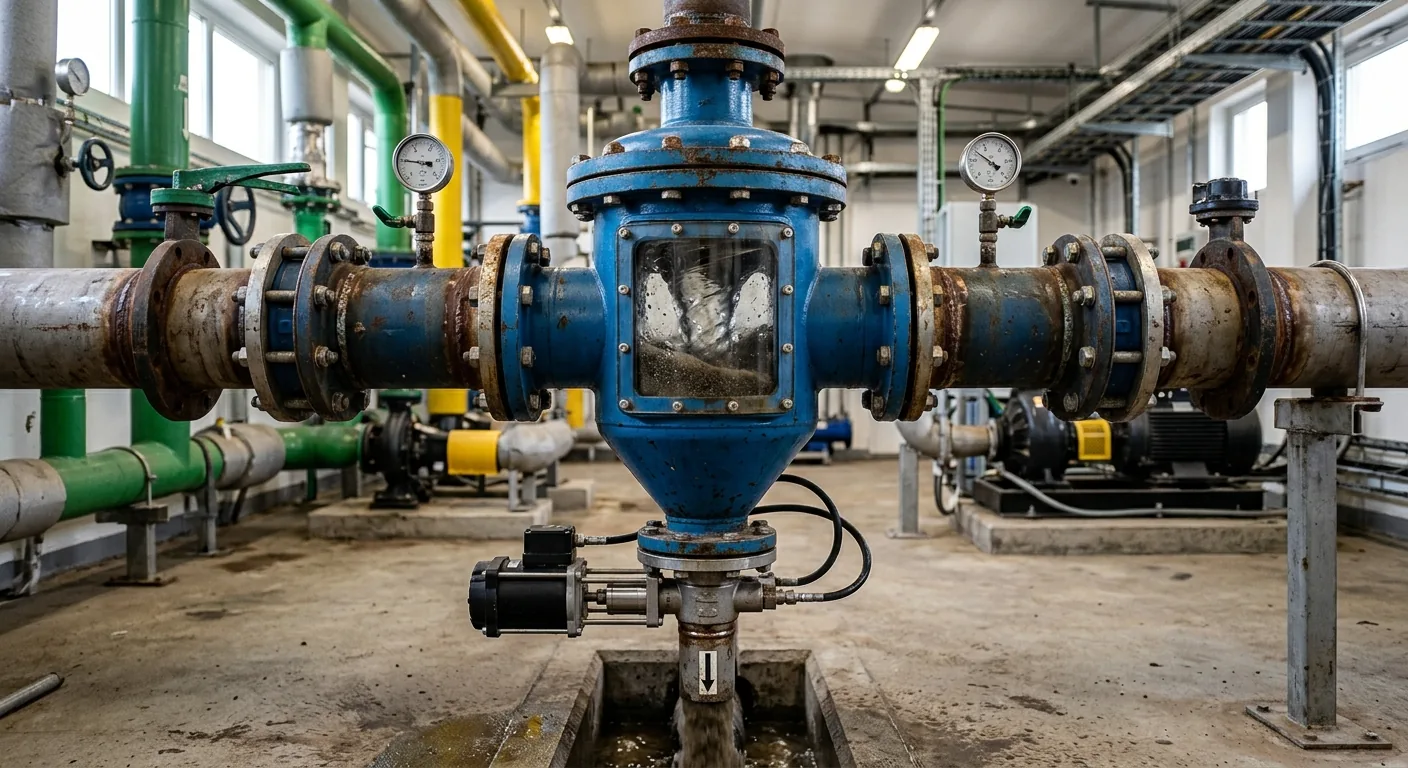
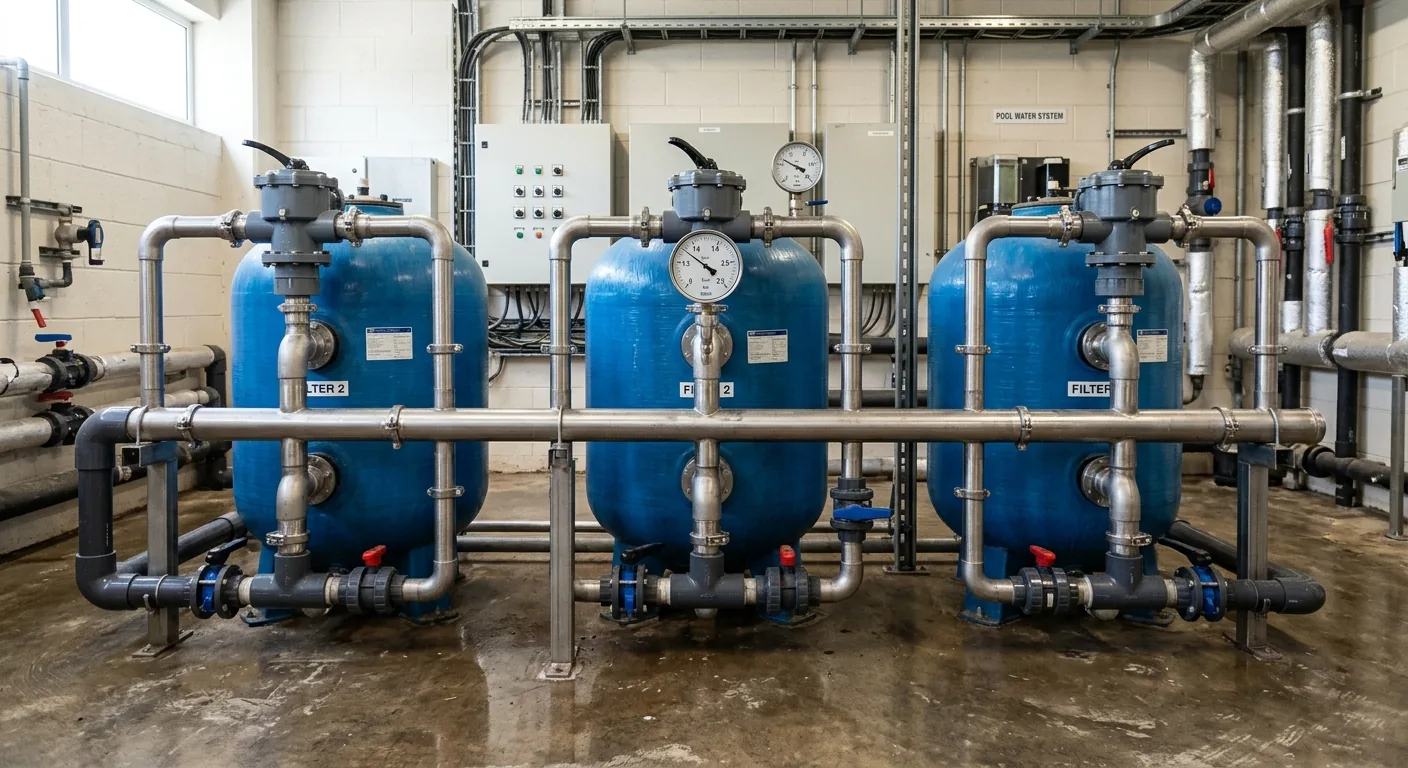
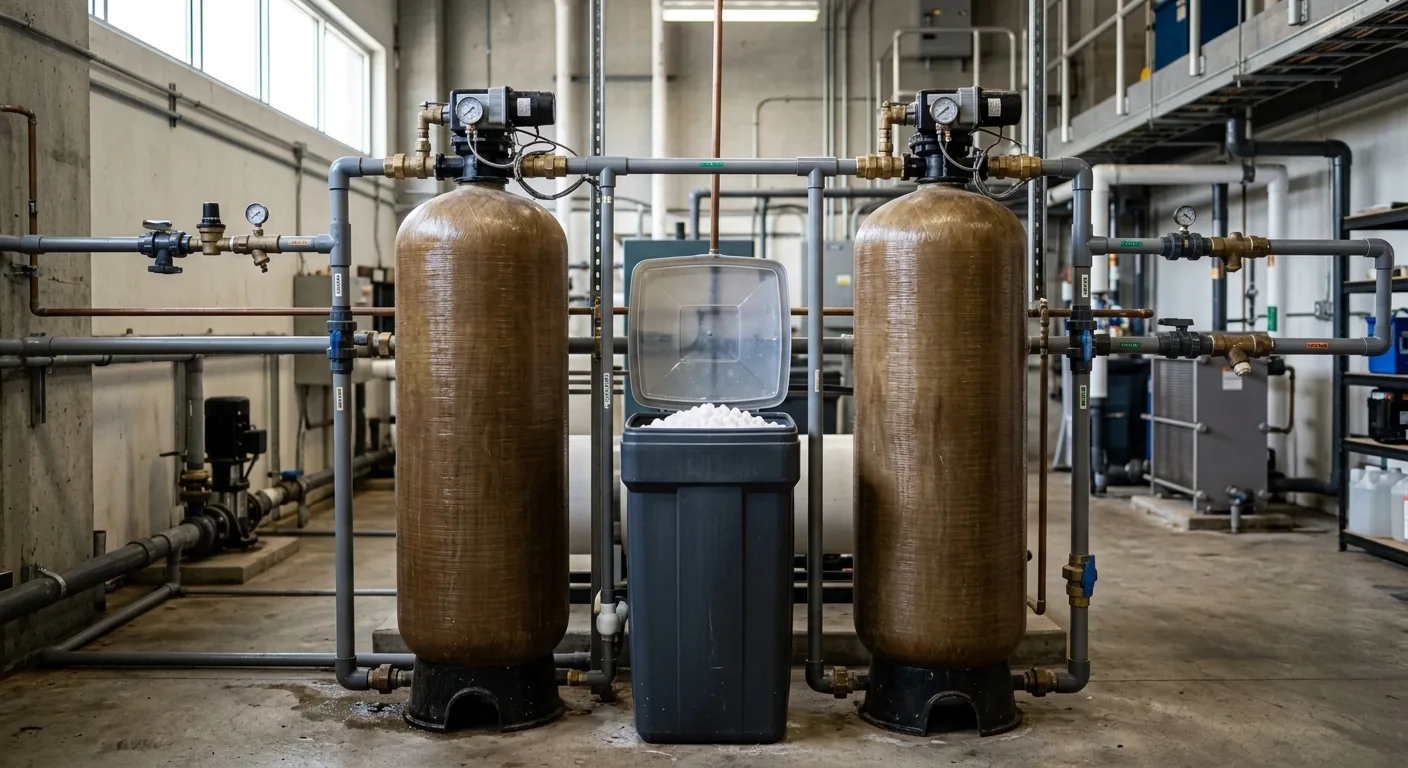
What you get
when signing with us.
Every quote is preceded by a full SANS 241 panel on the actual source — microbiology, heavy metals, hardness, TDS, turbidity, fluoride, nitrate, iron, manganese and the relevant organic indicators — through a SANAS-accredited laboratory. The design pack is sized against that result.
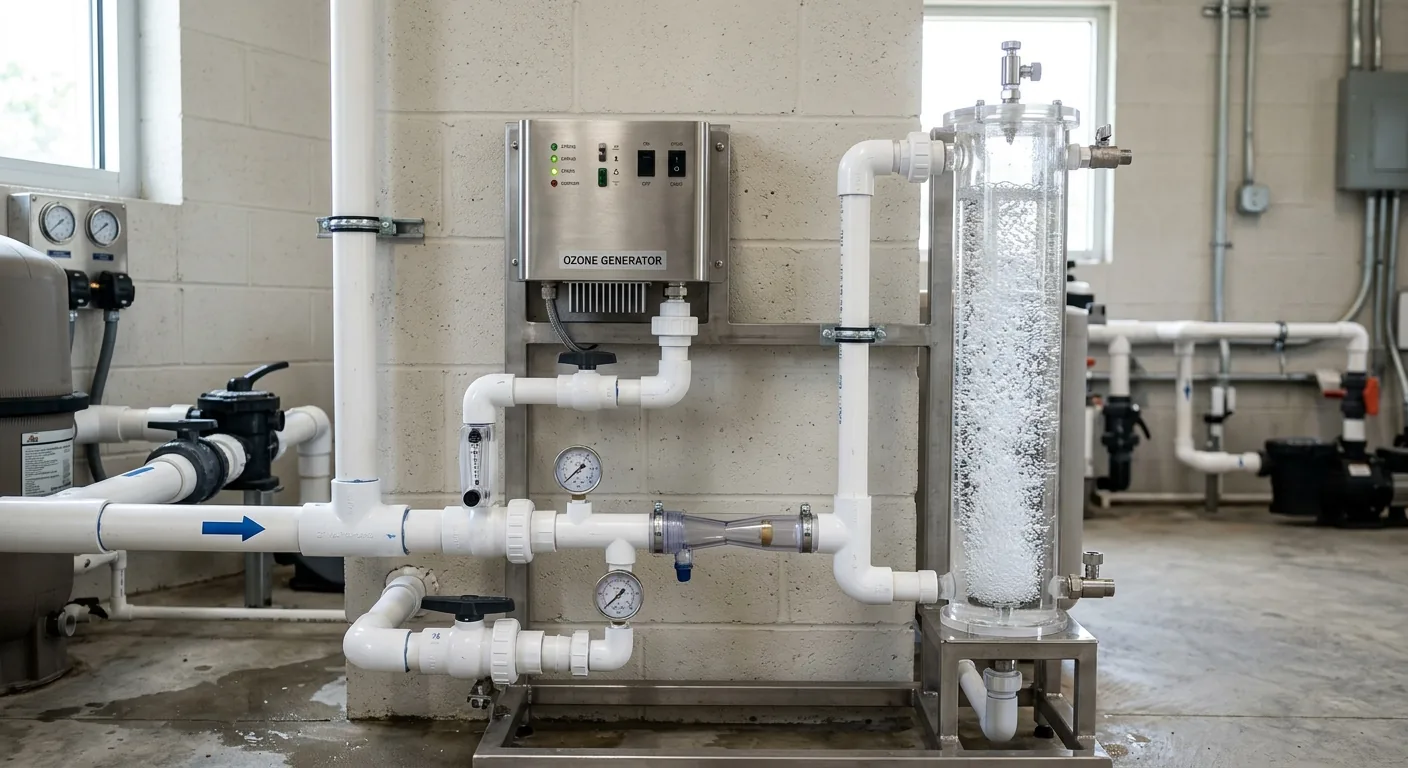
Pre-treatment, primary separation, polish and disinfection — each stage selected and sized against the feed, with redundancy on critical components. The treatment philosophy follows the multi-barrier principle endorsed by WHO and embedded in SANS 241.
Potable systems on the HidroVerse Care contract are sampled on a published schedule by a SANAS-accredited laboratory. Certificates are filed in the compliance pack and made available to the operator, GM or regulator on request.
Survey, design, install, commission, sample, report — under one contract, one engineer-of-record and one published response SLA. A single point of accountability across the lifetime of the plant.
Buyer's guide.
The questions every commercial buyer should put on the table before signing for a water system. Can't see yours? Send us a brief — a HidroVerse specialist replies within one business day.
Yes — we encourage every prospective client to phone two or three of our existing sites of comparable scale. Names and contacts are released after a short qualifying conversation, with the host's permission. References are the only honest measure of a water supplier.
We sample the raw water, profile its chemistry and microbiology against SANS 241, model your demand against real occupancy curves (not brochure numbers), and only then specify the train. No two installs we ship are the same — because no two source waters are the same.
No. A system designed for a clear municipal feed will fail on a turbid river; a system designed for a brackish borehole will be over-spent on a soft surface source. Each feed water dictates a different stack — and the wrong stack costs you in membrane life, downtime and chemistry.
A full SANS 241 panel through a SANAS-accredited lab: bacteriology, heavy metals, hardness, TDS, turbidity, fluoride, nitrate, iron, manganese and the relevant organic indicators. Without that panel any quote is a guess — and we do not quote on guesses.
SANS 241:2015 (the South African potable-water standard) is the legal floor for any site supplying staff or guests under the Water Services Act. WHO drinking-water guidelines inform our design margins. For specialised applications (food, healthcare, agricultural reuse) we also reference the relevant sector standard.
UF is a physical pressure-driven membrane process with a nominal pore size of 0.01–0.02 µm. It rejects bacteria, viruses, protozoan cysts, suspended solids and macromolecules, but passes dissolved salts and small molecules. RO operates at higher pressure on much tighter membranes that additionally reject dissolved salts, metals and most small organics, producing low-TDS permeate. UF and RO are commonly used in series — UF as pre-treatment and physical barrier, RO for the dissolved-solids stage.
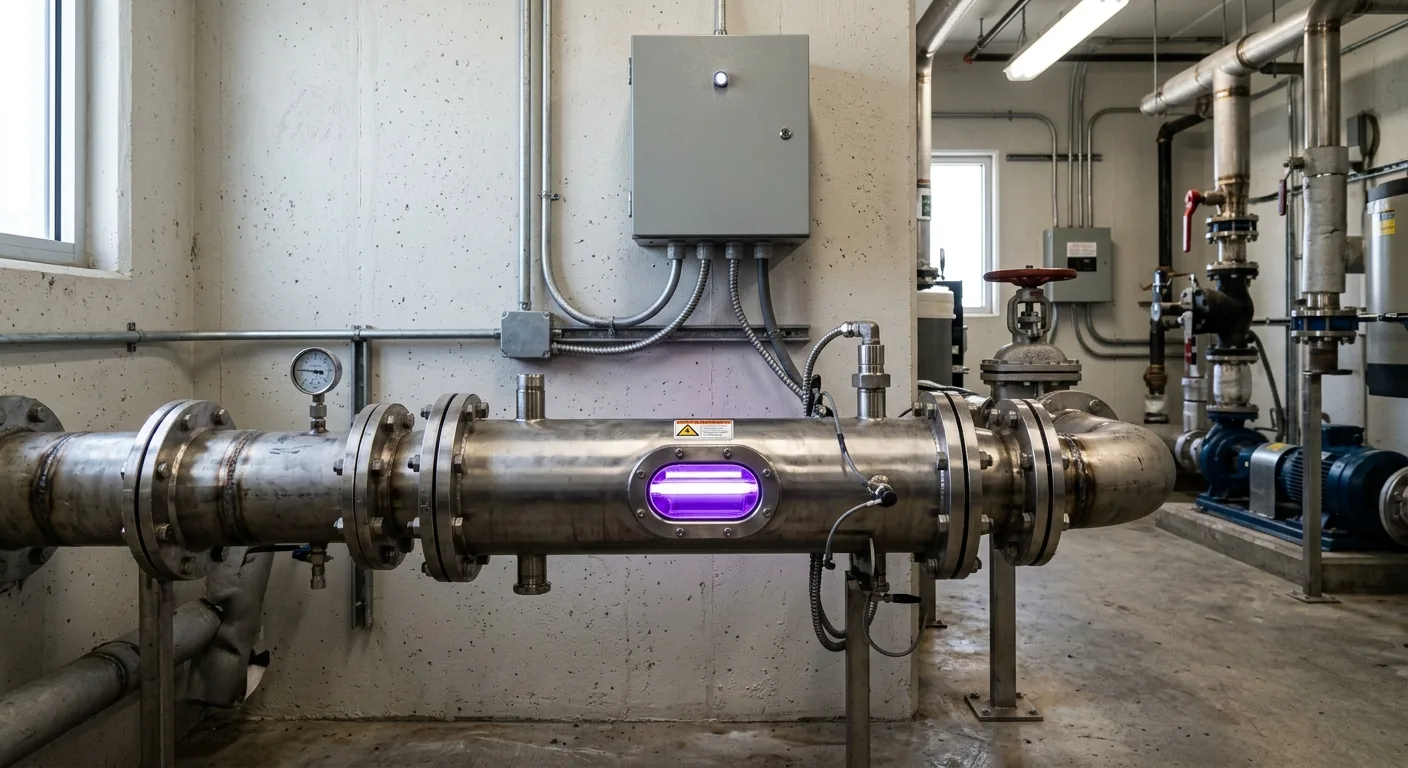
Many regulators and design codes treat UV as a separate barrier even after RO, because RO is a removal technology — not a true disinfection step — and post-RO recontamination in distribution piping is the conservative engineering assumption. Adding UV after RO provides an additional, validated log-reduction barrier with no added chemistry. The need is determined per site against the applicable standard (SANS 241 in South Africa, USEPA / WHO frameworks abroad).
There is no single answer — membrane life is driven by feed-water chemistry, pre-treatment quality, cleaning regime (CIP frequency), and operating recovery. As a planning benchmark for properly pre-treated feeds, brackish-water RO elements typically deliver 3–5 years of service, and hollow-fibre UF modules 5–7 years, before warranted performance metrics drift. Membrane manufacturers publish their own performance and warranty data per product line.
Energy intensity is feed-water dependent. Modern, properly engineered brackish-water RO with energy-efficient pumping typically runs at 0.5–1.2 kWh per m³ of permeate; high-salinity brackish at 1.2–2.5 kWh/m³; seawater RO with energy-recovery devices at 2.5–4.0 kWh/m³. The actual figure for any specific site is calculated from feed TDS, recovery, temperature and array configuration during design.
Yes — brackish groundwater is one of the standard duty conditions for which our RO systems are specified, including projects with feed TDS in the multi-thousand mg/L range. The system is engineered against the specific feed chemistry — anti-scalant selection, recovery, array configuration and concentrate management are all set against the analytical result, not against a default.